 Auto Trader California
The immediate aftermath of a motor vehicle accident is almost always a blur of adrenaline, confusion, and sudden stress. In those first few critical moments, drivers often find themselves standing on the side of a busy highway, trying to process what just occurred while ensuring everyone involved remains completely safe from oncoming traffic. Once the initial physical safety checks are complete and emergency services have been officially notified, the hard reality of the logistics starts to set in. The vehicle is likely sitting immobilized, blocking traffic, or leaking vital fluids onto the hot pavement, making it entirely unsafe to turn the key or attempt to drive away. This is the precise moment where making the right decision can prevent further mechanical damage to an already compromised automobile. Engaging a reliable local towing service is the essential first step toward reclaiming control over an incredibly chaotic situation. Professional operators know how to secure a damaged vehicle without causing additional suspension or frame misalignment during transport. They can safely move the car to a secure holding lot or directly to an authorized diagnostic facility of your choice. While waiting for the flatbed to arrive, it remains vital to exchange basic contact details with the other motorists and gather clear visual evidence of the scene from multiple angles to preserve the facts for future reference. This preparation makes a substantial difference when sorting out claims later.
Deciphering Liability and Complex Legal Waves
Once the vehicle is safely cleared from the roadway, the complex process of determining liability and fault begins to unfold. If the incident happens to involve a commercial vehicle, semi-truck, or large delivery van, the legal landscape shifts dramatically compared to a standard passenger car mishap. Commercial accidents involve massive corporate entities, complex insurance policies, and strict federal transport regulations that require expert legal interpretation. Trying to handle a claim against a major shipping company without professional guidance often results in a swift denial of fair compensation or an extremely low settlement offer. A seasoned truck accident attorney understands how to subpoena driver logs, digital maintenance records, and black box telemetry data that can definitively prove negligence on the part of the commercial operator or the parent shipping company. These legal professionals work diligently to ensure that medical bills, lost wages, and long-term physical rehabilitation costs are fully accounted for before any settlement offers are accepted. They act as a strong shield between the injured party and aggressive corporate legal teams who want to minimize financial payouts. Securing competent legal representation early protects vital scene evidence that might otherwise disappear or be overwritten as time passes, giving the car owner a much stronger foundation for a successful recovery in court or during negotiations.
Managing the Insurance Claims Maze

Simultaneously, initiating the formal claims process with your policy provider becomes a high priority for everyone involved in the crash. Dealing with adjusters requires patience, clear documentation, and a thorough understanding of what a specific policy actually covers under the law. Many vehicle owners assume that filing a report is a straightforward administrative task, only to face unexpected pushback regarding fault allocations or parts valuation methods. Navigating the intricate terms of an insurance service policy requires clear communication and a firm refusal to accept the first lowball estimate provided by the company. The assigned adjuster will review the police reports, inspect the physical vehicle, and determine whether the car is repairable or a total financial loss. It is important to remember that policyholders have specific legal rights, including the complete freedom to select where their vehicle is repaired rather than being forced to use a specific corporate repair partner recommended by the provider. Keeping an organized file containing the official police report number, medical evaluations, and car rental receipts will streamline these frequent phone calls. Maintaining a polite yet firm stance ensures that the corporate entity honors its contractual obligations and covers the true scope of the physical damage sustained without causing unnecessary delays.
The Technical Process of Restoring Frame and Structural Integrity
With the legal and financial frameworks established, attention must pivot directly to the physical restoration of the vehicle. When an automobile undergoes a major impact, the visible cosmetic damage on the surface is usually just a tiny fraction of the total issue. Modern vehicles are engineered with sophisticated crumple zones designed to absorb kinetic energy and protect the passengers inside the cabin. This means that even a minor, low-speed impact can cause significant hidden shifts in the structural framework of the heavy chassis. Investing in professional collision repair ensures that the vehicle is placed on a specialized frame-straightening machine to restore its original factory dimensions with absolute precision. Laser measurement systems are utilized to detect microscopic misalignments that could completely compromise the vehicle’s safety profile in a future accident. Technicians must meticulously inspect the crumple zones, bumper reinforcement bars, and airbag deployment sensors to guarantee everything functions flawlessly. Skipping this comprehensive structural evaluation can result in a vehicle that handles poorly, wears out tires at an alarming rate, and completely fails to protect occupants if another accident occurs down the road. Taking the time to verify structural integrity is a non-negotiable step for long-term road safety and operational peace of mind.
Selecting the Right Facility for Aesthetic Restoration
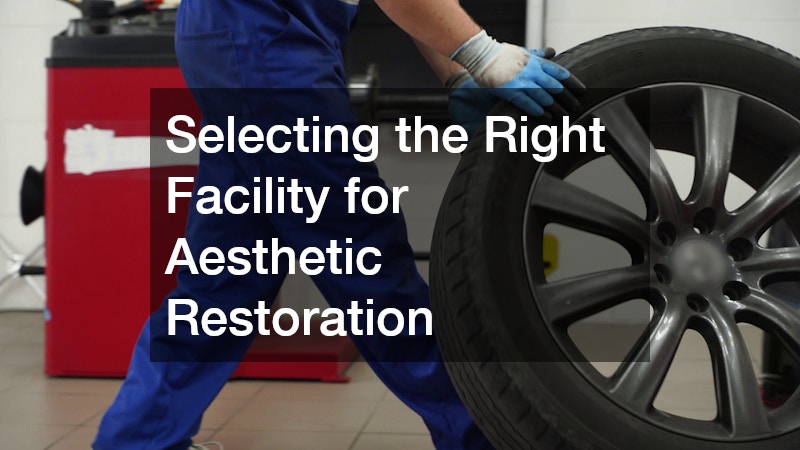
Once the underlying structural integrity of the chassis is completely verified, the focus shifts to the exterior aesthetics and panel alignment. Surface damage, shredded fenders, bent doors, and deep paint gouges require the artistic touch and technical precision found at a dedicated auto body shop. Technicians in these facilities work to match factory paint codes perfectly using advanced computerized mixing systems that account for natural sun fading over time. They carefully replace dented body panels, smooth out minor imperfections with specialized fillers, and apply durable clear coats that restore the factory shine. Beyond the obvious visual appeal, proper exterior work protects the underlying steel and aluminum components from moisture, oxidation, and rust. It also ensures that door seals, window tracks, and hood latches align seamlessly, preventing wind noise and water leaks during highway driving. Choosing a facility that employs certified technicians ensures that the craftsmanship matches original factory standards, preserving the vehicle’s long-term resale value and giving the owner complete peace of mind when they finally get back behind the wheel. A beautiful finish reflects the deep care put into the hidden repairs underneath, proving that quality matters. This ensures that every dollar spent helps maintain the car asset value over time.
Uncovering and Fixing Hidden Mechanical Vulnerabilities
While the outer shell of the vehicle receives cosmetic restoration, the internal mechanical components require an equally thorough diagnosis. The force of a crash can cause engine mounts to snap, radiators to crack, and complex suspension components to bend out of shape without showing outward signs. Taking the car to a trusted local auto repair garage is necessary to uncover mechanical issues that might not be immediately visible during a cursory visual walkaround. Experienced mechanics will perform comprehensive diagnostic scans to read error codes from the powertrain control module, check fluid levels for hidden leaks, and inspect the entire braking system. They will look closely at the steering linkage, drive axles, and exhaust systems to ensure nothing was jarred loose by the sudden deceleration of the impact. Addressing these mechanical concerns early prevents minor issues, like a slow coolant leak or a slightly misaligned wheel, from escalating into major component failures later on. A reliable mechanic provides an objective assessment of what needs immediate replacement and what can wait, ensuring the vehicle remains completely reliable for daily commuting, school drop-offs, and weekend travel. Regular maintenance after a repair guarantees that hidden issues do not surface unexpectedly later down the road.
Special Care for Advanced Import Engineering
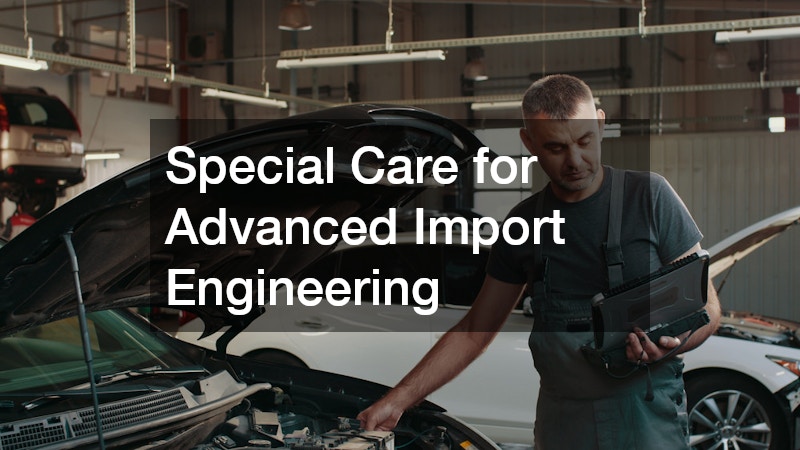
The diagnostic and repair process becomes significantly more complex when the vehicle involved comes from an overseas manufacturer. European and Asian luxury cars or performance vehicles are built using highly specialized engineering principles, proprietary fasteners, and unique electrical architectures. Standard diagnostic equipment often fails to communicate properly with the advanced onboard networks found in these premium models. Consequently, taking an imported sedan or SUV to a dedicated foreign auto repair facility is crucial for a successful mechanical recovery. These specialized shops employ technicians who undergo specific brand training and have direct access to original equipment manufacturer parts rather than generic aftermarket alternatives. They understand the specific tolerances of complex variable valve timing systems, sophisticated multi-link suspensions, and intricate sensor arrays that govern advanced driver assistance features. Utilizing a shop that truly understands the nuances of international automotive engineering ensures that specialized software calibrations are performed correctly, preventing persistent warning lights and ensuring the car drives exactly as the original factory engineers intended. This specialized knowledge keeps high-performance engineering running smoothly over long distances. Relying on experts who know these unique global vehicle systems helps avoid costly guesswork and repeated shop visits.
Overcoming Severe Internal Powertrain Trauma
In severe cases, the mechanical trauma to the powertrain is so extensive that basic component replacement simply will not suffice. An impact that shatters the radiator can cause immediate, catastrophic overheating, leading to a warped cylinder head or a cracked engine block. When the core internal components of a powertrain suffer this level of devastation, car owners face a difficult decision between vehicle retirement and a complete auto engine rebuild. This highly intensive process requires a skilled machinist to completely disassemble the engine, clean every individual component, and replace worn internal parts like pistons, rings, bearings, and gaskets. While it demands a notable financial and time investment, rebuilding the motor can breathe new life into a treasured vehicle, making it perform with the reliability of a brand-new machine. It eliminates the need to buy a completely new vehicle in a volatile market while ensuring that the internal mechanics match the freshly restored exterior frame, effectively resetting the vehicle’s operational clock and maximizing the long-term utility of the asset for years to come. This pathway saves thousands compared to new car purchases and prevents long-term debt. It allows owners to keep driving a vehicle they know and trust without compromising on mechanical performance.
Salvaging and Protecting Essential Exterior Accessories
Truck owners face an additional set of challenges when evaluating the total damage to their vehicle after an accident. Pickups are often equipped with aftermarket accessories designed to protect cargo, improve utility, and enhance the overall styling of the truck bed. If a truck is rear-ended or rolls over, items like an expensive tonneau cover can easily be cracked, warped, or completely torn from its mounting rails. These bed enclosures are vital for keeping tools dry, improving fuel economy by reducing wind drag, and securing personal belongings from theft. During the post-accident inspection, it is important to ensure that adjusters include these specialized bed accessories in the final repair estimate rather than overlooking them. A properly fitted bed cover must lock securely and seal tightly against the tailgate to function correctly. If the frame of the truck bed has shifted even slightly, a new cover cannot be installed properly until structural alignment is achieved. Ensuring these utility upgrades are fully replaced restores the truck to its pre-accident utility level and protects future cargo from the elements, ensuring your vehicle remains fully functional for both work and play. Keeping a truck bed in perfect condition is vital for anyone who relies on their vehicle for daily vocational tasks.
Rebuilding Driver Confidence and Moving Forward
After weeks or months of managing legal consultations, insurance calls, and mechanical repairs, the vehicle is finally restored to its optimal condition. However, the physical restoration of a car does not automatically heal the psychological impact that an accident leaves on a driver. Returning to the roadway after a serious crash often triggers a wave of anxiety, hesitation, and hyper-awareness that can impair driving performance. Enrolling in a structured driving class is an excellent way for motorists to regain their confidence and sharpen their defensive maneuvers behind the wheel. These educational programs offer practical strategies for avoiding hazards, managing highway distractions, and responding correctly to unexpected traffic situations. Many insurance companies also offer premium discounts to policyholders who complete these certified safety courses, providing a welcome financial benefit after a costly accident. By focusing on skill development and situational awareness, drivers can overcome the lingering stress of the past incident and look forward to a safe, secure, and confident future on the open road. Taking this final step ensures complete readiness for whatever lies ahead on the journey. When it comes down to it, physical vehicle rehabilitation and proactive mental preparation go hand in hand to achieve a true, complete recovery.