 Auto Trader California
The stressful moments immediately following a major motor vehicle collision are almost universally chaotic and completely overwhelming. Adrenaline surges through the physical body, minds race with severe anxiety, and drivers are suddenly forced to confront a massive mountain of unexpected logistics right on the side of the road. Beyond the immediate emotional relief that everyone involved walked away safely, a long list of urgent practical concerns quickly takes over the rest of the day. A vehicle that was once a perfectly reliable means of daily transportation is now a source of significant stress, sitting damaged on the side of the busy highway or towed away to a local holding lot. Navigating the long road to recovery requires a clear, methodical strategy that spans high-quality mechanical fixes, complex financial negotiations, and proper legal protection. Property damage can easily range from minor surface scrapes to catastrophic structural frame issues, and knowing how to systematically address each distinct layer of the recovery process saves modern car owners thousands of hard-earned dollars and many months of unnecessary frustration. This comprehensive guide details every single vital step required to restore a vehicle to its pre-accident condition while fully protecting the owner’s legal and financial interests over the long term.
Protecting Your Rights and Interacting with Third Parties
Before even opening the heavy hood or gathering standard body shop quotes, a driver must fully understand the complex landscape of liability and legal protection. Insurance adjusters from the opposing party often move incredibly fast, sometimes contacting a shaken driver within just hours of an incident to offer quick cash settlements or request recorded statements that could inadvertently compromise a legal claim. Securing professional legal representation early prevents these massive corporate entities from exploiting a driver’s lack of legal expertise or emotional vulnerability. Retaining a dedicated car accident attorney carefully ensures that all communication with adversarial insurers goes directly through a trained advocate who deeply understands local traffic statutes and personal injury frameworks. This essential legal support is not just about medical bills; it plays a vital role in documenting the true extent of property damage, ensuring that diminished value claims are accurately calculated, and forcing tightfisted insurers to pay for original manufacturer components rather than cheap alternative parts. Having a trusted expert manage the legal technicalities allows the stressed vehicle owner to focus entirely on physical recovery and the complex logistical aspects of vehicle restoration without feeling overwhelmed by corporate pressure, strict deadlines, or confusing paperwork.
Deciphering Policy Coverage and Claims Processes
Once the immediate legal safeguards are established, the next major hurdle involves the intricate world of policy claims and financial approvals. Dealing with stubborn policy adjusters requires immense patience, extreme precision, and an unyielding commitment to thorough documentation from start to finish. Car owners must promptly file comprehensive reports with their own provider, presenting clear photographic evidence from the scene, formal police reports, and official witness contact information. Understanding the specific terms of an auto insurance policy determines who pays for costly towing fees, rental car allowances, and the actual vehicle remediation. Many motorists mistakenly assume their policy covers every single cost seamlessly, only to discover hidden deductibles, restrictive clauses regarding aftermarket parts, or strict limits on rental vehicle durations after the damage has already occurred. Keeping detailed logs of every single phone conversation, saving every digital receipt, and refusing to sign premature liability releases ensures that the policyholder receives every single dollar they are contractually owed under their specific coverage plan. This financial clarity forms the absolute backbone of the physical rebuilding process, helping owners avoid paying out of pocket for expensive repairs that should be fully covered.
Selecting a Qualified Facility for Technical Diagnostics
With the administrative and financial framework in motion, the focus naturally shifts to comprehensive physical restoration and safety. Choosing where to send a damaged vehicle should never be a rushed decision based solely on an insurance company’s recommended list of preferred vendors. While direct-repair shops offer convenience, drivers maintain the absolute legal right to select any certified facility they trust to handle their vehicle. A high-quality auto repair center employs skilled technicians certified by highly recognized industry institutions, possessing the highly specialized diagnostic machinery required to detect hidden structural and mechanical issues. Modern cars are rolling computers, and a violent collision can damage delicate sensors, compromise electrical wiring, or misalign the vehicle’s frame without showing obvious outward signs to the untrained eye. A thorough, completely independent facility will perform a complete digital scan of the vehicle’s onboard diagnostic systems, providing an itemized, transparent estimate that leaves no stone unturned. This guarantees the vehicle will be entirely safe to drive again and ensures that all underlying problems are documented for the insurance claim.
Addressing Surface Damage and Panel Restoration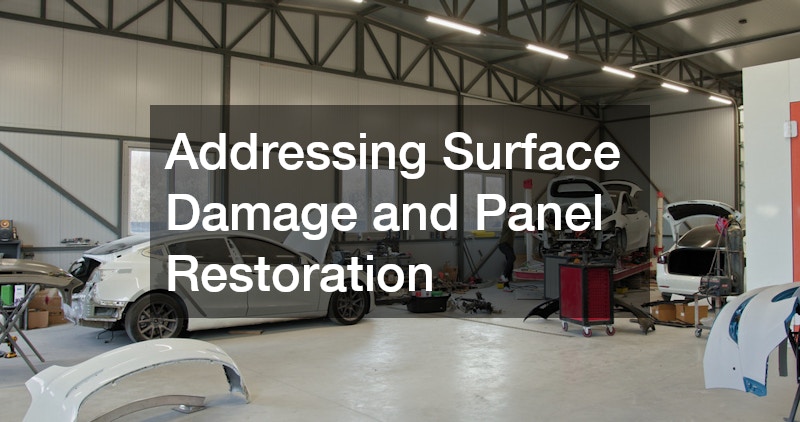
Once the initial mechanical diagnostics are complete, technicians can turn their attention to the visible scars left by the collision. Severe impact forces frequently leave ugly creases, deep dings, and distorted metal across door panels, quarter panels, and front fenders. For minor impacts where the paint remains completely unbroken, specialized technicians can utilize paintless dent repair techniques to gently massage the metal back into its original factory shape from behind the panel using custom rods and shifting tools. This specialized method is highly efficient, beautifully preserves the original factory paint finish, and keeps the vehicle’s history report completely free from heavy filler use. For more severe creases where the metal is stretched or the exterior paint has chipped away, traditional panel replacement or advanced metal finishing becomes absolutely necessary to prepare the surface for a flawless prime and paint match. Restoring the metal work correctly ensures the underlying structural strength of the vehicle body is completely sound before the final paint layers are applied, protecting the long-term resale value.
Rehabilitating Impact Defenses and Plastic Moldings
The exterior areas most vulnerable to road impacts are the front and rear fascia assemblies, which are specifically engineered to absorb heavy collision energy. These components are typically constructed from flexible plastics, fiberglass, and complex composites designed to sacrifice themselves to protect the vehicle’s cabin and occupants. Consequently, professional bumper repair is one of the most frequently requested services following a typical rear-end collision or low-speed parking lot mishap. Technicians must carefully remove the damaged fascia, evaluate the underlying reinforcement bars and energy absorbers, and patch or replace the outer plastic shell entirely. This multi-step process requires precise plastic welding, careful sanding, and the application of flexible adhesion promoters before the component can be painted to match the rest of the vehicle seamlessly. Skipping this step or performing a sloppy fix compromises the car’s ability to protect passengers in a future collision, making it a critical safety issue that demands highly expert care at all times.
Ensuring Operational Safety and Stopping Mechanisms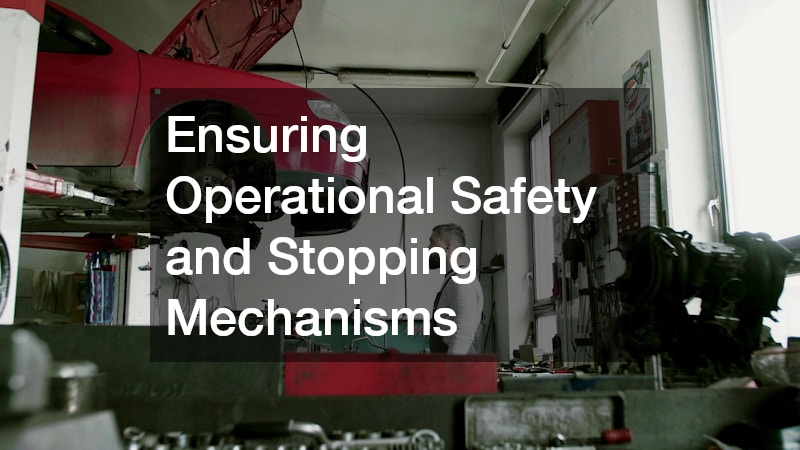
Beyond the visible cosmetic issues and structural components, an unexpected accident can severely compromise a vehicle’s primary safety systems without the driver realizing it. Kinetic energy from a crash transfers through the wheels and suspension, often warping brake rotors, snapping caliper lines, or damaging anti-lock braking sensors. Scheduling a comprehensive brake repair inspection is an absolute non-negotiable step before returning any accident-damaged car to the open road. Technicians must verify hydraulic pressure, inspect pads for hidden cracks caused by sudden emergency stops, and ensure that electronic stability control modules are communicating perfectly with the wheels. Driving a vehicle with even slightly compromised stopping mechanisms puts the vehicle occupants and other nearby motorists at extreme risk, making a professional brake assessment an absolute priority during the mechanical rebuild phase of any vehicle recovery plan. A proper test drive by a certified mechanic completes this crucial step, confirming that the vehicle responds correctly in emergency stopping situations.
Managing Major Powertrain and Mechanical Failures
In high-velocity impacts, the damage often extends far beyond bent sheet metal and compromised suspension components. The immense force of a severe crash can crack engine blocks, rupture cooling systems, destroy transmission casings, or push the radiator directly into the front accessory drive. When a vehicle sustains severe structural drivetrain damage, a complete car engine replacement may be the only viable pathway to make the vehicle roadworthy once again. This massive undertaking involves sourcing an appropriate replacement unit – either a factory-new crate motor or a certified low-mileage recycled assembly – and meticulously integrating it with the car’s existing electrical networks and transmission systems. While it is incredibly costly, this level of deep mechanical intervention is often fully covered under comprehensive or collision policies if the overall value of the vehicle justifies the investment, giving a vehicle a completely new lease on life. Technicians must be highly thorough during this process, as even a minor misalignment in the heavy engine mounts can cause long-term vibration issues.
Reinstating Specialized Exterior Safeguards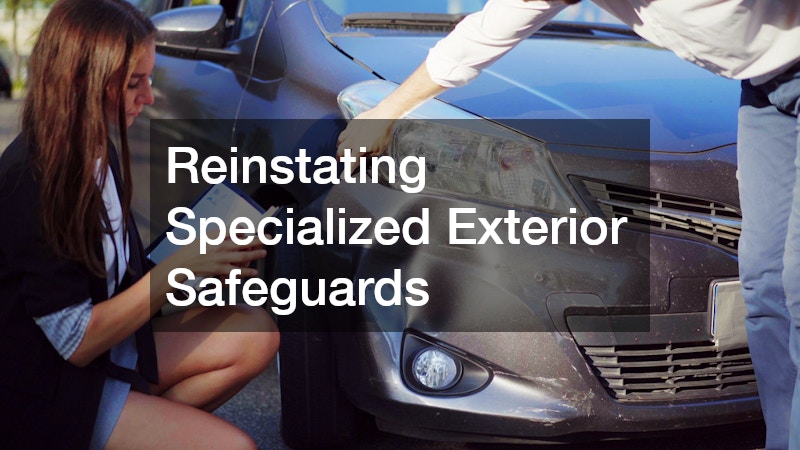
When calculating the total financial losses from a collision, motorists frequently overlook the specialized aftermarket coatings and protective elements applied to their vehicles before the accident occurred. High-end protective liquid polymers, commonly referred to as a ceramic coating, add immense value by protecting factory paint from environmental hazards, but they are easily destroyed during bodywork and repainting phases. Car owners must ensure that the cost of reapplying these premium protective layers to the newly painted panels is completely factored into the final insurance estimate. Documenting the original application with official receipts and extended warranties allows owners to demand full financial compensation for the restoration of these long-term exterior defenses. It is important to note that freshly painted panels must cure properly before these polymers can be reapplied, requiring careful coordination between the body shop and the detailing specialist to ensure the finish bonds correctly, shines beautifully, and lasts for years.
Replacing Specialized Auto Glass and Clear Treatments
Just as exterior paint protection must be meticulously accounted for, specialized window treatments require careful attention during the post-accident rebuilding phase. The intense structural stress of a collision or direct debris impact can easily crack, shatter, or dislodge automotive glass, creating immediate visibility and structural hazards. When a front glass panel is replaced, any premium heat-rejection windshield tinting that was previously installed is permanently lost. Drivers must explicitly request that their insurance adjusters include the exact cost of professional film reapplication in the payout figures. Furthermore, modern forward-facing safety cameras mounted near the rearview mirror must be fully recalibrated by specialized technicians immediately after the glass is swapped out to ensure driver-assist features function correctly. This step is critical because even a tiny misalignment in the camera’s field of view can cause lane-departure warnings and automatic braking systems to fail when needed most on the open highway.
Calibrating Modern Convenience Electronics
The final phase of a truly comprehensive vehicle recovery involves checking the advanced convenience and comfort electronics that make daily driving enjoyable. Advanced electrical modifications, such as an aftermarket auto remote start system, rely on complex wiring harnesses integrated deeply into the steering column and ignition circuitry. The violent physical jarring of an accident or the subsequent disconnection of the main battery during mechanical repairs can easily scramble the programming modules or damage the delicate bypass kits of these intricate systems. Ensuring that technicians test, re-wire, or re-program these convenience features before final vehicle pickup prevents frustrating electronic glitches down the road. This ensures the vehicle feels exactly as it did before the incident, providing warmth in winter and cooling in summer without fail. Taking the extra time to verify these secondary systems prevents unexpected return trips to the shop weeks after the main repairs are finished.
Regaining Peace of Mind on the Open Road
Recovering from a motor vehicle accident is a vertical learning curve and an arduous journey, but breaking the entire process down into manageable, distinct phases makes it entirely achievable for any driver. By securing early legal counsel, working methodically with insurance adjusters, and refusing to compromise on the quality of mechanical and cosmetic repairs, car owners can successfully restore both the safety and financial value of their property. A vehicle is much more than a collection of metal, glass, and plastic; it is an essential tool for daily life that deserves to be rebuilt with precision, care, and an unwavering commitment to strict factory standards. Taking the time to handle each step correctly ensures long-term safety, maintains vehicle value, and brings ultimate peace of mind when returning to the road. With the right team of professionals in your corner, what felt like a total disaster can turn into a smooth, structured process that gets your life back on track quickly.