 Auto Trader California
Your vehicle is one of the largest investments you will make outside of your home, yet many owners only think about maintenance when something breaks. Weather changes throughout the year quietly wear down paint, rubber seals, fluids, and mechanical components in ways that are easy to overlook. A little planning each season can prevent costly repairs, preserve resale value, and keep your car safer to drive. This guide walks through what to check and adjust as the seasons shift, so your vehicle stays reliable and looks its best no matter the weather.
Why Seasonal Care Matters for Long-Term Value
Vehicles are exposed to constant environmental stress, from freezing overnight temperatures to scorching afternoon sun, and each extreme takes a toll on different components. Ignoring these changes doesn’t just shorten the lifespan of parts like tires and belts, it also accelerates cosmetic damage that lowers resale value. Buyers and appraisers notice faded paint, cracked interior trim, and rust spots, and they often use these as leverage to negotiate a lower price. Building a seasonal maintenance habit is one of the simplest ways to protect both performance and appearance over time.
- Temperature swings cause metal, rubber, and plastic to expand and contract, weakening seals over time
- Road salt and moisture accelerate corrosion on the undercarriage
- UV exposure fades paint and dries out interior materials
- Neglected seasonal checks often lead to more expensive repairs later
Preparing Your Vehicle for Warmer Months
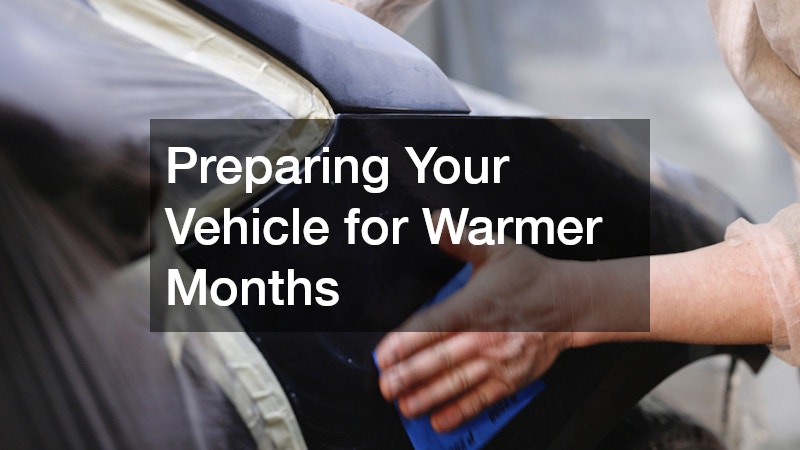
As temperatures rise after winter, it is a good time to inspect for damage that occurred during colder weather, such as small chips in the paint or cracks in the windshield caused by freezing and thawing. Check your tire pressure since cold air causes tires to lose pressure, and rising spring temperatures can throw readings off if you haven’t adjusted since winter. This is also an ideal window to flush out road salt residue from the undercarriage before it has more time to cause rust.
Spring is also a smart time to address paint imperfections before summer sun intensifies any existing damage. Small chips left untreated can spread as moisture gets trapped underneath the clear coat. Taking care of these details early prevents bigger cosmetic and structural issues once the heat arrives.
- Wash the undercarriage to remove leftover road salt and grime
- Inspect wiper blades, which often wear out over winter
- Check tire tread and pressure after cold weather fluctuations
- Look for small chips or cracks in the windshield and paint
Guarding Paint and Interior During Peak Heat
Summer sun and heat are some of the harshest conditions your vehicle will face all year. On a 90-degree day, dashboard surfaces can reach upwards of 200 degrees Fahrenheit, and that intense heat accelerates UV damage to your clear coat. Over time, those rays break down the finish, leading to fading, oxidation, and a dull appearance that is difficult to reverse once it sets in.
A quality coat of wax or a ceramic coating applied before summer hits adds a sacrificial layer that absorbs UV exposure instead of your paint. Reapplying wax every two to three months during peak heat season helps maintain that protective barrier.
Interior materials suffer too, with dashboards, leather seats, and vinyl trim cracking, fading, or drying out from prolonged sun exposure through the windshield and windows. Simple habits like using a windshield sunshade, applying UV-protectant treatments to interior surfaces, and parking in shaded areas or a garage whenever possible can significantly slow this deterioration and keep cabin materials looking newer for longer.
Intense summer sun doesn’t just fade paint—it also bakes dashboards, cracks leather, and breaks down interior plastics over time. Many owners looking for a longer-term solution turn to professional ppf services to add a physical barrier against UV rays, road debris, and minor abrasions. Paint protection film is applied directly to vulnerable areas like the hood, mirrors, and front bumper, helping the factory finish resist chips and fading for years, with quality films typically rated to last five to ten years before needing replacement.
Beyond the exterior, interior surfaces deserve equal attention during peak heat months. Ceramic-coated windows or UV-blocking window film can reduce cabin temperatures significantly while protecting upholstery and trim from sun damage. Leather seats benefit from conditioner applied every few weeks in summer, since heat accelerates drying and cracking far faster than in cooler seasons.
Combining paint protection film with regular washing and occasional waxing gives your paint the best chance of holding its value and shine through repeated summer exposure. A weekly rinse to remove bird droppings, tree sap, and road grime—paired with a coat of wax every two to three months—helps maintain that protective layer. Together, these habits keep both the paint and interior looking newer for longer, which pays off directly at resale time.
- Park in shade or use a car cover during peak sun hours (typically 10 a.m. to 4 p.m.) to reduce heat buildup and prevent fading
- Use a windshield sunshade to protect the dash and steering wheel from direct UV exposure
- Apply UV-protectant products to interior surfaces like the dashboard, seats, and door panels every few weeks
- Choose interior conditioners with matte finishes to avoid glare on the windshield while driving
- Wash off bird droppings and tree sap promptly, ideally within a day, as their acidity can etch clear coat and paint
- Keep a quick-detail spray and microfiber cloth in the car for on-the-spot cleanup between washes
- Consider ppf services for high-impact areas like the hood, front bumper, and side mirrors, which are prone to chips and scratches
- Ask about ceramic-infused ppf options, which add extra UV and heat resistance for long-term paint protection
Getting Ready for Cooling Temperatures and Falling Debris
As temperatures begin to drop, your vehicle needs a different kind of attention focused on preparing for the challenges of colder weather ahead. Fall is an excellent time to check your battery, since cold weather puts additional strain on an already weakening battery and can leave you stranded unexpectedly. Falling leaves and debris can also clog drainage areas around the hood and windshield, leading to water pooling and potential rust if left unaddressed.
This season is also when many owners schedule a thorough inspection of belts, hoses, and fluid levels before winter driving conditions set in. Antifreeze levels should be checked and topped off, since a proper coolant mixture prevents freezing in the engine block during sudden cold snaps. Taking these steps in fall reduces the chance of being caught off guard by an unexpected breakdown in the first hard freeze.
- Test your battery’s charge and terminals for corrosion
- Clear leaves and debris from drainage channels near the windshield
- Check coolant levels and antifreeze concentration
- Inspect belts and hoses for cracking before cold weather sets in
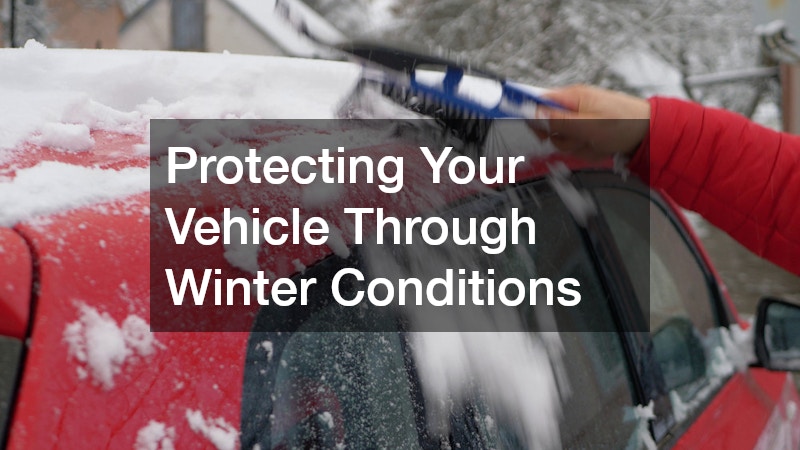
Protecting Your Vehicle Through Winter Conditions
Winter presents some of the toughest conditions your vehicle will face, from icy roads to corrosive road salt that accelerates rust on the undercarriage and wheel wells. Regular washing throughout winter, including the underside of the vehicle, helps remove salt buildup before it has a chance to eat into metal components. Cold weather also reduces tire pressure and battery efficiency, both of which should be monitored more frequently during winter months.
Interior care matters in winter too, since wet boots and snow track in moisture that can lead to mold or musty odors if not dried out regularly. Using weather-specific floor mats and keeping a small emergency kit in the trunk are simple habits that add both convenience and safety. Being proactive about these details keeps your vehicle running smoothly and prevents small issues from turning into expensive repairs come spring.
- Wash off road salt regularly, including the undercarriage
- Keep an emergency kit with blankets, a flashlight, and basic tools
- Check tire pressure frequently since cold air reduces it faster
- Use weatherproof floor mats to protect interior carpeting
Building Habits That Protect Value All Year
Beyond seasonal checklists, certain habits carry through every part of the year and have a lasting impact on how well your vehicle holds its value. Keeping a maintenance log helps you track when services were last performed and spot patterns, like a battery that consistently struggles each winter. Regular washing and waxing, regardless of season, protects paint from whatever conditions are currently in play, whether that is salt, pollen, or intense sun.
Staying consistent with these practices also makes it easier to catch small problems before they become expensive ones. A vehicle that has been cared for consistently tends to sell for more and attract more serious buyers when the time comes to upgrade. Treating seasonal care as an ongoing routine, rather than a reactive task, is what truly protects your investment long term.
- Keep a simple log of maintenance dates and services performed
- Wash and wax regularly regardless of season
- Address small cosmetic or mechanical issues before they worsen
- Store the vehicle in a garage or covered area when possible
Protecting your vehicle throughout the year doesn’t require a complicated system, just consistent attention as the seasons change. By addressing the specific challenges each season brings, from winter salt to summer sun, you extend the life of your car and preserve its resale value. Start with a simple seasonal checklist and build it into your routine so small issues never turn into costly repairs. Your vehicle is a significant investment, and a little year-round care goes a long way in keeping it safe, reliable, and looking its best.