 Auto Trader California
Highlights:
-
First Impressions Dictate Value: Potential buyers judge a vehicle’s mechanical health based on its exterior appearance; a single noticeable door dent can signal owner neglect and instantly drop your asking price by hundreds or thousands of dollars.
-
Assess Paint and Shape First: Smooth, shallow dings are prime candidates for inexpensive do-it-yourself fixes, whereas dents with sharp creases, stretched metal, or chipped paint require more advanced reconditioning strategies.
-
Household Options Exist for Steel Panels: If your car has a traditional steel door and completely intact paint, you can often pop out shallow dents for free using a flat-rimmed sink plunger or the thermal expansion physics of a hairdryer combined with dry ice.
-
Consumer Pulling Kits Handle Stubborn Dings: For slightly deeper dents, highly affordable consumer tools like heavy-duty mechanical suction cups or hot-glue bridge pullers offer a reliable way to massage the sheet metal back into place without damaging the factory finish.
-
Paintless Dent Repair (PDR) is the Pro Standard: For rigid body lines, double-walled panels, or modern aluminum doors, hiring a professional PDR technician is the safest and most cost-effective way to perfectly restore the panel profile without the need for repainting.
-
Deep Damage Requires Structural Refinishing: When a dent causes deep paint gouges or exposed metal, it requires mechanical flattening, structural filler, color-matched paint, and a blended clear coat to eliminate the risk of rust and salvage resale value.
-
Leverage the Fix to Close the Sale: Presenting a flawless exterior alongside official repair receipts proves to buyers that you are a meticulous, transparent owner, which helps protect your baseline price and eliminates lowball negotiations.
First impressions are absolutely everything when you are trying to sell a used vehicle. Whether you plan to list your car on a private online marketplace or trade it in at a local dealership, potential buyers will judge the mechanical health and history of your vehicle based entirely on what they see first. A flawless exterior signals a conscientious owner who likely took immaculate care of the engine, transmission, and interior. On the flip side, a glaring dent right in the middle of a passenger or driver door screams neglect. It instantly gives a buyer leverage to negotiate your asking price down by hundreds, if not thousands, of dollars.
Many car owners accept these minor imperfections, assuming that fixing them will cost more than the value they recover during a sale. This assumption is a costly mistake. Curb appeal dictates the psychological baseline for what a buyer feels your vehicle is worth. If they see a noticeable dent the second they walk up to take a test drive, they immediately start calculating the cost of future repairs in their head, usually overestimating the actual expense. Taking the initiative to restore your car exterior to its original shape can drastically reduce time on the market and maximize your financial return. This comprehensive guide will walk you through evaluating the damage, mastering do-it-yourself techniques, knowing when to call in the professionals, and choosing the smartest paths to protect your investment.
Why Do Exterior Dings Drop Your Car Resale Value?
When a prospective buyer or dealership appraiser looks at a car door dent, they do not just see a cosmetic flaw. They see an unknown variable and a chore they will have to deal with later. In the used car market, buyers penalize cosmetic issues heavily because a damaged exterior implies that the vehicle might have been involved in an unreported accident or subjected to a lifetime of careless parking lots.
A dinged-up door alters the buyer perception in several specific ways:
-
The Neglect Multiplier: Buyers assume that if you did not care enough to fix a visible exterior dent, you probably skipped out on oil changes, tire rotations, and routine brake maintenance too.
-
Loss of Dealership Leverage: Dealerships use automated valuation software that automatically drops a car condition rating from “Very Good” to “Fair” if there are multiple body flaws. This single drop can strip $1,000 to $2,500 off your trade-in offer.
-
Private Buyer Hesitation: Private buyers are looking for a turn-key vehicle. If your car requires immediate bodywork, it eliminates an entire pool of buyers who do not want the hassle of coordinating repairs after purchasing.
The good news is that returning your door to its factory profile is often much easier and cheaper than people realize. By investing a little bit of time or a small amount of money into targeted fixes before listing the vehicle, you can hold firm on your asking price and confidently reject lowball offers.
How Do You Assess the Type of Door Dent You Have?

Before you run to your garage or order a repair kit online, you must analyze the exact characteristics of the dent. Not all dings are created equal, and using the wrong repair method on the wrong type of damage can easily stretch the metal further, crack your paint, or turn a minor issue into an expensive body shop nightmare. Walk out to your vehicle, clean the door panel thoroughly with soap and water, and view the damage from multiple angles under good lighting.
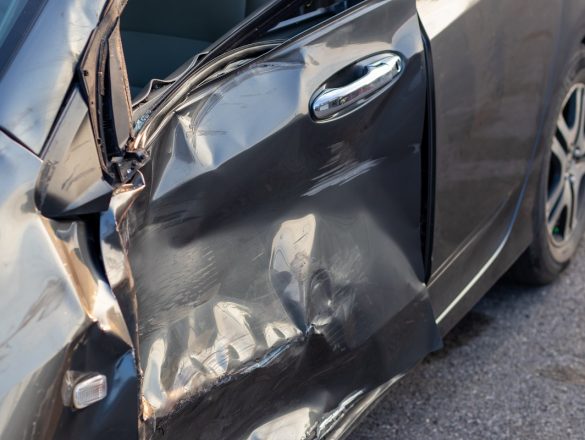
First, identify the shape and sharpness of the indentation. Smooth, shallow, round dings that look like minor depressions are the easiest to tackle. These are typically caused by runaway shopping carts or soft impacts from basketballs, and they usually pop right back out because the metal structural integrity remains intact. On the other hand, if the dent features a sharp, distinct line, a crease, or a deep pointed center, the metal has been actively stretched. Stretched metal loses its structural memory and will resist simple pulling or suction techniques.
Second, look closely at the paint condition inside and around the perimeter of the dent. This is the ultimate deciding factor for your repair strategy. Run your fingernail gently across the area. If the paint is completely intact, smooth, and free of scratches or spiderweb fractures, your door is a prime candidate for non-invasive repair methods. However, if the paint is chipped, deeply scratched down to the gray primer, or showing signs of raw exposed metal, standard suction or pulling will not solve your problem. Exposed metal will eventually rust, meaning you will need a solution that involves sanding, priming, filling, and color-matched painting to truly preserve the value of the car.
Finally, consider the material of the door panel itself. Most older vehicles utilize traditional steel panels, which possess excellent material memory and respond well to heat, cold, and suction. Many modern vehicles, however, feature lightweight aluminum doors to improve fuel efficiency. Aluminum is much stiffer than steel, has virtually no natural memory, and requires significantly more force and specialized techniques to reshape, making do-it-yourself attempts on aluminum doors highly unpredictable for beginners.
Can You Use Simple Household Items to Remove a Dent?
If your assessment reveals a shallow, round dent with perfectly intact paint on a steel door, you might be able to resolve the problem using common items found around your house. These methods rely on basic principles of physics, thermal dynamics, and pressure to gently coax the metal back into its original position.
The plunger method is the oldest trick in the book, but it only works on large, shallow dents located on flat areas of the door panel. You cannot use a standard tiered toilet plunger for this; you need a flat-rimmed cup plunger typically used for sink drains.
-
Thoroughly wet the rubber rim of the plunger and the surface of the car door to create an airtight seal.
-
Push the plunger down gently against the center of the dent to expel the air.
-
Pull straight outward with a quick, firm, and steady motion.
If the metal has enough natural elasticity left, you will hear a satisfying pop as the panel snaps back into place. Repeat this motion a few times if the dent shifts but does not fully release on the first pull.
Another highly popular DIY approach utilizes thermal expansion and contraction, commonly referred to as the hairdryer and dry ice method. Metal expands when heated and contracts rapidly when exposed to freezing temperatures. By manipulating these forces, you can create a structural shockwave that forces the dent to pop outward.
To execute this technique safely, follow these precise steps:
-
Turn a standard household hairdryer to its highest heat setting and hold it roughly six inches away from the car door.
-
Heat the dented area continuously for two to three minutes until the metal feels hot to the touch.
-
Immediately apply a block of dry ice directly to the center of the hot metal, or spray the area thoroughly with a can of compressed air held upside down to release freezing liquid CO2.
-
Watch the surface closely; within thirty seconds, the rapid temperature drop will cause the metal to contract sharply, often popping the dent out completely. Wipe away any remaining frost or moisture immediately with a soft microfiber towel.
What Do-It-Yourself Kits Work Best for Stubborn Dings?
When household items fall short, specialized consumer dent removal kits are the next logical step. These kits are affordable, widely available at auto parts retailers, and utilize scaled-down versions of the tools used by real body technicians. The two most reliable options for home mechanics are mechanical suction cup pullers and hot-glue bridge pullers.
Heavy-duty suction cup pullers feature a locking handle that creates a powerful vacuum seal far stronger than a standard sink plunger. These tools are fantastic for medium-sized dents that sit on relatively flat areas of the door. To use one, open the handle levers, press the rubber base firmly into the dead center of the ding, and flip the handles together to engage the vacuum lock. Grab the handle firmly with both hands and pull straight outward. Be careful not to pull at an angle, as this can break the vacuum seal prematurely or warp the surrounding uncompromised sheet metal.
For smaller, more stubborn dings, a hot-glue bridge pulling kit is highly effective. These kits feature a set of plastic pulling tabs, a specialized high-tensile hot glue gun, and a threaded bridge framework that spans across the dented area.
The application process requires patience and precision:
-
Clean the dented area with isopropyl alcohol to remove all wax, grease, and road grime so the glue can bond perfectly.
-
Apply a generous bead of the specialized hot glue to the flat face of a plastic pulling tab that matches the size of your dent.
-
Press the tab firmly into the center of the dent and let the glue cool completely for roughly five to eight minutes until it feels hard but slightly rubbery.
-
Place the bridge structure over the protruding stem of the glued tab, screw the mechanical turning knob onto the threads, and slowly rotate the knob clockwise.
As you turn the knob, the bridge applies leverage to the outer edges of the door while pulling the center of the dent outward. Keep turning until the plastic tab releases from the car door with a loud pop. Any residual glue left on your factory paint can be removed safely by spraying it with a few drops of rubbing alcohol and wiping it away with a plastic scraper.
When Should You Skip DIY and Turn to Paintless Dent Repair?
While attempting a home repair is satisfying, you must recognize when a dent surpasses your personal skill level or equipment capabilities. If you attempt to force out a complex dent, you risk over-pulling the metal, which creates an unsightly outward bulge or “high spot” that is significantly harder and more expensive to repair than the original indentation. This is where Paintless Dent Repair, universally known as PDR, becomes your best financial option before selling your vehicle.
PDR is a highly specialized craft where trained technicians access the backside of the door panel using long, thin, curved metal rods. By inserting these tools through the window slot, interior door trim, or factory wiring harnesses, the technician applies precise, meticulous micro-pressure to massage the metal back into place millimeter by millimeter. Because they work from the inside out, they do not disturb the factory clear coat or paint layer.
You should bypass DIY methods and call a professional PDR technician immediately if your door dent exhibits any of the following characteristics:
-
The dent is located directly on a body line, body contour, or style crease, where the metal sheet is naturally reinforced and highly rigid.
-
The indentation is deep, pointed, and resembles a small crater caused by a stray golf ball or hailstone.
-
The dent sits along the extreme outer edge of the door frame, where double-walled steel reinforcement blocks access and prevents standard suction.
-
The vehicle is a high-end luxury model or a modern electric vehicle featuring temperamental aluminum body panels.
PDR is incredibly cost-effective for sellers because it preserves the factory paint color match perfectly, meaning a dealership appraiser with a digital paint depth gauge will never know a repair occurred. Most individual PDR fixes take less than an hour to complete and cost a fraction of traditional bodywork, making it an exceptional investment that pays for itself instantly upon sale.
What Traditional Repair Solutions Are Needed for Deep Paint Damage?
If your door dent involves deeply gouged, scraped, or cracked paint that exposes raw metal or primer, neither suction cups nor paintless techniques can save the panel. Leaving exposed structural damage on a listing will cause potential buyers to walk away out of fear of rust. Resolving this level of damage requires professional auto body repair solutions that address both the metal distortion and the compromised paint system.
Traditional auto body repair involves a multi-step cosmetic reconstruction process. Technicians begin by sanding the damaged area down to raw, bare metal to remove the surrounding clear coat, base color, and primer layers. Once the metal is completely clean, they use specialized stud welders or slide hammers to pull the deepest sections of the dent forward as close to the original factory specifications as possible.
Because mechanical pulling can rarely restore metal to a perfectly flat, microscopic finish, technicians then apply a thin layer of catalyzed polyester body filler, commonly known as Bondo, over the remaining slight depressions. The filler is left to cure until rock-hard, after which technicians use fine-grit longboard sanders to precisely sculpt the filler until it matches the exact curves and lines of the original door contour.
Once the shape is flawless, the door enters a sealed spray booth. The repaired section receives a dedicated coat of corrosion-resistant primer, followed by a computer-matched base coat of paint mixed precisely to your vehicle paint code. Finally, a protective clear coat is sprayed over the entire door panel and blended seamlessly into the adjacent fender or rear door to ensure that the repair is invisible under natural sunlight. While this process is more expensive than PDR, presenting a perfectly painted, smooth vehicle is vital if you expect to fetch top dollar for a late-model car.
How Do You Select the Best Team for Extensive Bodywork?
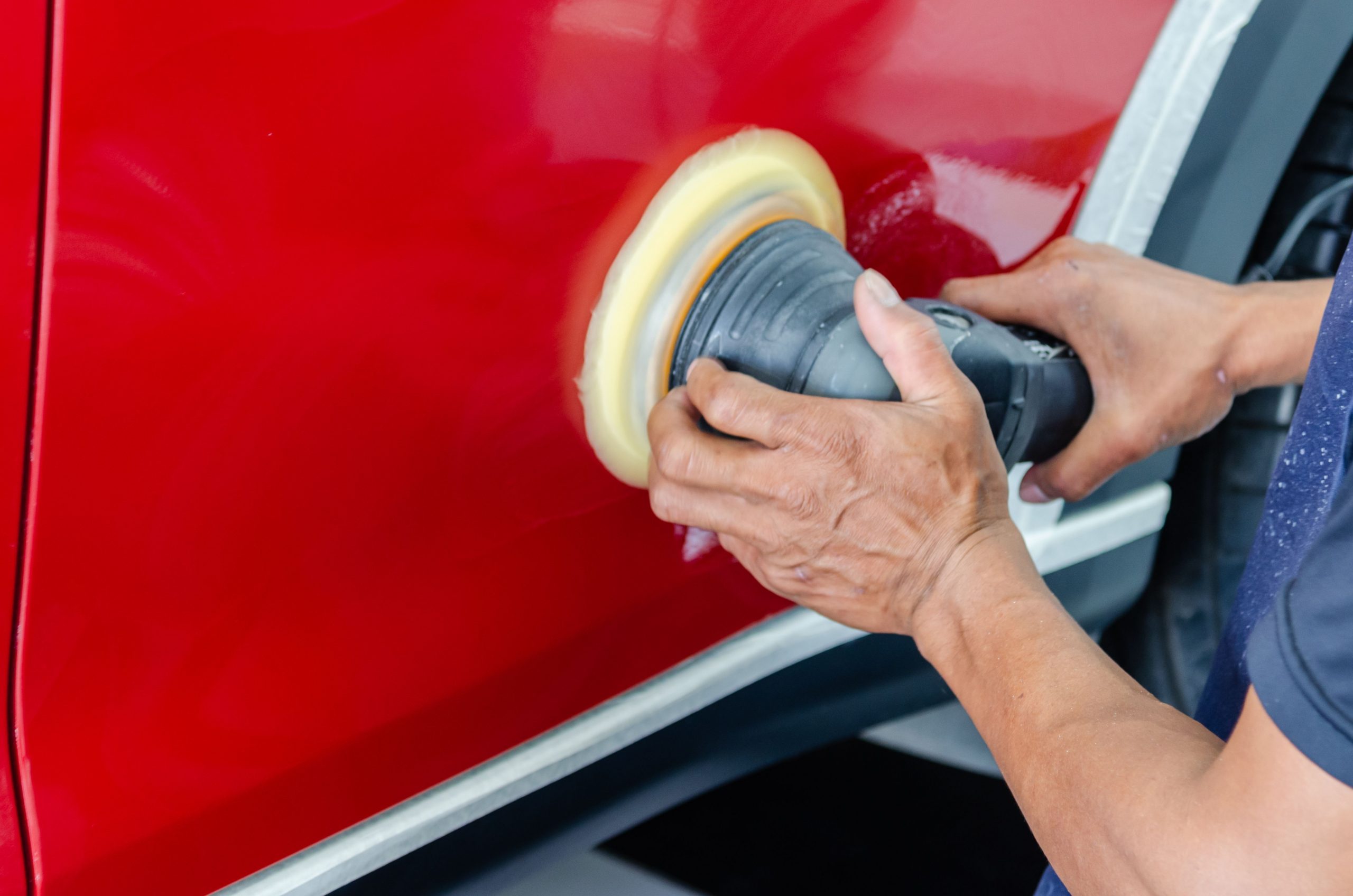
If you have determined that your vehicle requires professional intervention to fix structural creases or paint damage before listing it on the market, you cannot afford to pick a shop at random. A poorly executed paint blending job or mismatched body filler lines can ruin your resale value just as quickly as the original dent. You need to know how to choose the right auto body shop that balance speed, pristine craftsmanship, and fair consumer pricing.
Start your search by looking for shops that hold recognized industry certifications, such as I-CAR Gold Class status, which indicates that their technicians receive ongoing education on modern vehicle materials and structural alignment. Request a detailed, itemized written estimate before leaving your vehicle, and explicitly ask the shop manager if they provide a written, lifetime warranty on their paint finish and bodywork. A reputable shop will stand behind their labor without hesitation.
Furthermore, read online customer reviews specifically focusing on how well the shop handles color-matching for used vehicles, as older paint naturally fades over time and requires an expert hand to blend seamlessly. Taking the time to properly vet your service provider guarantees that the money you spend on repairs will translate directly into a higher, non-negotiable asking price when your car hits the market.
How Can You Prepare Your Car for a Successful and Profitable Sale?
Once your car door is completely smooth and free of dings, you are entering the final home stretch of the selling process. Do not let your hard work go to waste by presenting a clean door on an otherwise dirty or unkempt vehicle. To fully capitalize on your restored exterior and solidify your upgraded resale value, you need to execute a few final, high-impact detailing steps.
Give the entire vehicle an intensive, deep wash followed by a complete clay bar treatment to remove embedded environmental contaminants from the clear coat. Once the surface is smooth as glass, apply a premium coat of carnauba wax or a ceramic spray sealant across the entire exterior. This extra step fills in microscopic imperfections, maximizes paint depth, and gives the car that brilliant, high-gloss showroom shine that immediately captures a buyer attention in online photographs. Clean the interior meticulously, remove all personal items, vacuum the carpets, and wipe down the dashboard to eliminate any trace of lingering odors.
When you sit down to write your online listing or present the car to a dealership appraiser, use your repair as a strategic selling point. Collect your receipts from any professional PDR or body shop work you had performed, and include them cleanly in a vehicle history folder along with your oil change records. Showing a buyer that you took the time and care to professionally remedy a minor cosmetic issue before selling proves that you are an honest, meticulous seller who maintained the vehicle to the highest possible standards. This level of transparency builds instant trust, eliminates friction during the negotiation phase, and ensures you walk away from the closing table with the absolute maximum profit in your pocket.
Wrapping It Up
Investing the time and effort into removing an unsightly door dent is one of the smartest financial moves you can make before putting your car on the market. Whether you manage to pop the ding out yourself in your driveway using basic household items or decide to bring in a professional technician to ensure a flawless finish, eliminating these cosmetic flaws dramatically alters how potential buyers perceive your vehicle.
Ultimately, minimizing exterior damage takes away a buyer’s biggest negotiating leverage and shifts the power back into your hands. By presenting a smooth, well-maintained vehicle that looks ready for the road, you can confidently hold firm on your asking price, speed up the entire selling process, and walk away with the maximum possible return on your investment.