 Auto Trader California
A tiny scratch, a soft rattle, or a dashboard light you keep ignoring rarely feels urgent when your car still starts and drives fine. But small vehicle issues have a way of compounding quietly, turning a five-minute fix into a multi-day repair with a much bigger price tag. Understanding which minor problems tend to escalate can help you catch them early, protect your budget, and keep your car safer on the road. This guide walks through the everyday warning signs drivers dismiss most often and explains why acting quickly almost always costs less than waiting.
Ignoring a Small Windshield Chip
A rock chip the size of a coin seems harmless, but temperature swings, road vibration, and moisture can turn that tiny mark into a spreading crack within days or weeks. Once a crack reaches a certain length, a simple resin fill is no longer an option and the entire windshield needs replacement. Many drivers wait until the crack blocks their line of sight before addressing it, which also raises safety and inspection concerns.
Weather is often the deciding factor in how fast a chip spreads. Cold mornings followed by warm afternoons cause the glass to expand and contract, stressing the damaged area every single day it goes untreated.
- Get chips smaller than a quarter repaired within a week of noticing them
- Avoid blasting the defrister directly on a cracked area
- Cover the chip with clear tape to keep out dirt and moisture until it’s fixed
- Park in shade or a garage when possible to limit temperature swings
Dismissing Minor Dents and Door Dings

A shopping cart ding or hail dent might seem purely cosmetic, but leaving it unaddressed can allow moisture to settle into tiny paint fractures, eventually leading to rust underneath the surface. Once rust sets in, what could have been a quick cosmetic fix becomes a structural repair involving cutting out corroded metal. Catching these dents early keeps your options open and your repair bill low.
This is where paintless dent removal shines as a genuinely useful solution for shallow, minor dents that haven’t cracked the paint. The technique uses specialized tools to gently massage the metal back into shape from behind the panel, preserving the factory finish without repainting. It’s faster and considerably cheaper than traditional bodywork, but only works if the dent is caught before rust or paint damage develops.
Overlooking Small Rust Spots on Body Panels
Rust rarely stays small. What starts as a quarter-sized bubble under the paint on a wheel well or rocker panel can spread beneath the surface long before it becomes visible from the outside. By the time you notice flaking paint or a rough patch, the corrosion underneath may already be eating through the metal.
Coastal climates, road salt, and older vehicles are especially prone to this kind of hidden spread. Addressing rust while it’s still surface-level typically means sanding, treating, and repainting a small area rather than replacing an entire panel.
- Wash the undercarriage regularly if you live where roads are salted in winter
- Inspect wheel wells, door bottoms, and the trunk seam every few months
- Touch up paint chips as soon as you spot them to prevent moisture exposure
- Address bubbling paint immediately rather than waiting for a full spot to form
Delaying Repairs After a Minor Fender Bender
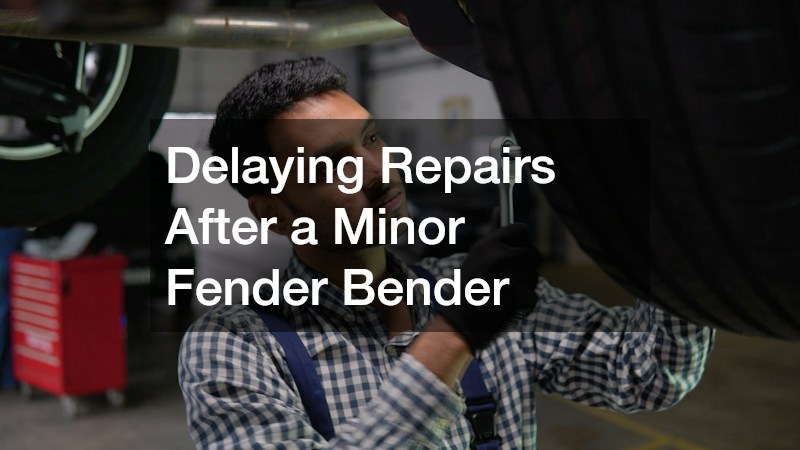
Low-speed collisions often look deceptively minor on the surface, with just a scuff or a slight panel gap to show for it. Underneath, however, impact can misalign brackets, damage sensors, or crack mounting points that aren’t visible during a quick glance. Skipping a proper inspection after even a small collision can let hidden damage worsen every time you hit a pothole or speed bump.
This is precisely the situation where auto body collision repair professionals add real value, since they can check alignment, sensor calibration, and structural integrity that an untrained eye would miss. Getting a full assessment shortly after any impact, even a minor one, prevents small misalignments from turning into suspension or frame problems down the road.
Neglecting Off-Road Damage on Jeeps and SUVs
Off-roading is hard on a vehicle’s undercarriage, bumpers, and body panels, and it’s easy to shrug off small scrapes and dents as part of the territory. But repeated impacts from rocks, branches, and uneven terrain can loosen fasteners, crack plastic components, or create small dents that compromise a panel’s structural support over time. What looks like cosmetic wear can quietly weaken areas that matter in a future collision.
Because Jeeps and similar vehicles often have unique body panel shapes and off-road accessories, finding a shop experienced in jeep collision repair matters more than it might for a standard sedan. A shop familiar with these vehicles will know how factory skid plates, rock rails, and reinforced bumpers are supposed to sit, making it easier to spot when something has shifted out of place.
Putting Off Repairs for Cracked or Warped Trim
Plastic trim pieces, weather stripping, and molding might seem purely decorative, but they play a real role in keeping water and debris out of your vehicle’s seams. Door edge guards, rocker panel trim, and window moldings are engineered to channel rainwater away from critical joints, while rubber weather stripping around doors and trunk lids forms a seal that blocks both moisture and wind noise. Once UV exposure, road salt, or age causes these pieces to crack, warp, or peel away from the body, that protective barrier is gone. The gaps left behind create a direct path for moisture to seep into places it was never meant to reach. Water can track along door frames and pillars, soaking into carpet padding, seat foam, and the wiring harnesses tucked behind interior panels. This kind of hidden dampness often goes unnoticed until you smell mildew or spot fogged-up windows that won’t clear, by which point mold remediation or replacing waterlogged insulation can run several hundred dollars. Metal surfaces nearby suffer just as much. Trim that’s supposed to shield seams and pinch welds instead traps moisture against bare metal, accelerating rust in spots that are hard to inspect and even harder to repair. A small bubble of surface rust under a rocker panel can spread into structural corrosion within a couple of seasons, especially in regions that use road salt, turning a $20 clip-on trim piece into a rust-repair job costing well over $1,000.
Sun exposure and age are common culprits, especially on older vehicles where the adhesive holding trim in place has started to break down under years of UV rays and temperature swings. Cracked window seals, warped door molding, and loose rocker panel trim might seem purely cosmetic, but each one creates a gap where rainwater can seep into places it was never meant to reach. Once water gets behind trim or beneath weatherstripping, it often travels along door frames and pools inside carpeting, headliners, or the trunk lining. In many cases, professional auto mold removal becomes necessary once that dampness gets trapped in humid, enclosed spaces, since mold can start forming in as little as 24 to 48 hours under the right conditions. What starts as a small crack can end up costing several hundred dollars in mold remediation, odor treatment, and replacement of ruined carpet padding or insulation. Drivers who notice fogged-up windows, a musty smell, or discoloration on interior fabric should treat these as early warning signs rather than minor annoyances. Addressing trim issues before they let moisture in is far simpler, and far cheaper, than dealing with the mold and odor problems that follow.
Skipping Routine Maintenance on Belts, Hoses, and Fluids
A worn serpentine belt or a small coolant leak rarely feels like an emergency, especially when the car still runs normally. But belts that fray eventually snap, often at the worst possible time, and small leaks tend to grow until they cause overheating or complete fluid loss. These are inexpensive parts to replace proactively, but expensive systems to repair once they fail completely.
Routine inspections during oil changes are the easiest way to catch this kind of wear before it becomes a breakdown. If a serpentine belt or timing component does fail unexpectedly, the resulting damage sometimes requires the kind of diagnostic and mechanical expertise you’d find at a dedicated truck repair shop, particularly for larger trucks and SUVs with more demanding engine setups.
- Have belts and hoses visually inspected at every oil change
- Watch for small coolant puddles under the vehicle overnight
- Replace belts proactively around manufacturer-recommended mileage
- Don’t ignore a squealing belt, even if the car still drives normally
Choosing Where to Get Repairs Done Matters
Not every repair shop specializes in every kind of problem, and choosing the right one can be the difference between a lasting fix and a repeat visit. Larger, well-reviewed auto body shops often have the equipment and trained technicians needed to handle everything from minor cosmetic work to more involved structural repairs. Taking the time to research a shop’s specialties before committing to a repair can save both money and frustration later.
Ask about warranties, certifications, and experience with your specific vehicle make before agreeing to any repair work. A shop that’s upfront about what they can and can’t handle is usually more trustworthy than one that claims to do it all.
- Check online reviews specifically mentioning the type of repair you need
- Ask whether the shop offers a warranty on parts and labor
- Confirm they have experience with your vehicle’s make and model
- Get a written estimate before authorizing any work
Small vehicle problems rarely stay small, and the cost of waiting almost always outweighs the cost of addressing an issue early. Whether it’s a chip in your windshield, a soft dent in your door, or a rattle you’ve learned to tune out, a quick inspection now can prevent a much larger repair bill later. Take a few minutes this week to walk around your vehicle and note anything that looks or sounds off, then get it checked before it has the chance to snowball.