 Auto Trader California
Buying a vehicle is only the beginning of the financial story. The sticker price tells you almost nothing about what you will actually spend over the years you own it, because repair complexity, parts availability, and even where you park it can quietly drain your bank account. Two vehicles priced identically at purchase can diverge by thousands of dollars in ownership costs within a few years. Understanding where those hidden expenses come from helps you choose a vehicle that fits your real budget, not just your monthly payment.
Body Panel Repairs After Minor Fender Benders
Not all sheet metal is created equal, and that becomes obvious the first time you need bodywork done. Vehicles with aluminum panels, complex curves, or specialty paint finishes often cost significantly more to fix than a basic steel-bodied sedan. An auto body shop will typically charge more labor hours for vehicles requiring specialized jigs, unique paint matching, or panel replacement rather than simple hammer-and-dolly work.
Trucks and SUVs with larger body panels can also mean higher material costs when damage occurs, since a single dented door might require replacing an entire panel rather than a partial patch. Buyers should ask about typical repair costs for the specific trim and body style they are considering, not just the model name.
- Aluminum-bodied trucks often cost 20 to 40 percent more for comparable bodywork than steel counterparts
- Specialty or tri-coat paint finishes increase both labor time and material expense
- Panoramic sunroofs and complex curves add labor hours for panel alignment
- Larger panels on trucks and SUVs mean pricier single-panel replacements
Collision Claims and Insurance Complexity by Vehicle Class

Insurance premiums are only part of the collision cost picture. The actual expense of getting a vehicle repaired after an accident varies enormously depending on how many sensors, cameras, and structural components are packed into the front and rear ends. A modern crossover with adaptive cruise control and lane-assist cameras can rack up repair bills that dwarf what an older, simpler vehicle would cost for the same fender damage.
When you take a damaged vehicle to a collision repair facility, technicians often need to recalibrate cameras and sensors after even minor bumper work, and that recalibration process adds real cost. Many drivers are surprised to learn that a routine auto body estimate now includes calibration line items that simply did not exist a decade ago. Buyers should factor in these hidden expenses when comparing a heavily optioned trim against a base model, since advanced safety features that lower your monthly premium can raise your out-of-pocket repair costs.
- Sensor recalibration after bumper repair can add several hundred dollars per incident
- Vehicles with adaptive headlights often require costly alignment procedures
- Structural aluminum or high-strength steel frames need specialized repair equipment
- Base trims without advanced driver-assist features are often cheaper to restore to factory spec
Specialized Parts and Labor for Imported Vehicles
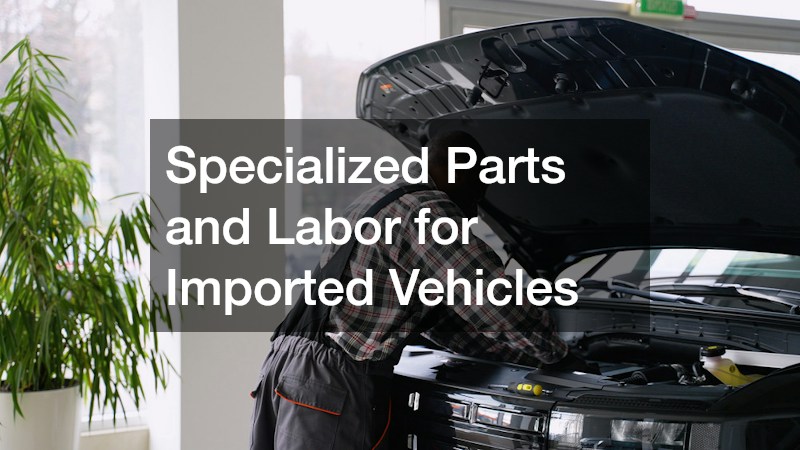
Owning an imported vehicle often means paying a premium for parts that simply are not stocked locally, and that markup compounds every time something needs fixing. Specialty shops that perform European car repair frequently charge higher labor rates because their technicians need manufacturer-specific training and diagnostic tools that a general repair shop does not carry. This is one of the most overlooked ownership costs for buyers drawn to luxury European badges without researching long-term maintenance realities.
Parts for these vehicles frequently ship from overseas distribution centers, which can mean longer wait times and higher shipping costs baked into every invoice. Buyers considering a European luxury vehicle should research the availability of qualified technicians in their area before signing a purchase agreement, since a beautiful car sitting in a shop waiting on a part is its own kind of hidden cost.
- Diagnostic software licensing fees are often passed on to customers
- Genuine parts sourced overseas can take one to three weeks to arrive
- Independent specialty shops may charge 15 to 30 percent more per labor hour
- Extended warranties on imports often exclude wear items like brakes and suspension bushings
Depreciation Differences Between Trucks, Sedans, and SUVs
Depreciation is the single largest hidden cost of vehicle ownership, and it varies dramatically by category. Pickup trucks and certain SUVs tend to hold value far better than sedans, which is part of why truck sales remain so strong even as overall new vehicle demand fluctuates. Strong resale demand, limited fleet availability for some models, and steady commercial use all help keep truck values propped up in the used market. A truck that retains 55 percent of its value after five years puts thousands more dollars back in your pocket compared to a sedan that retains only 35 percent. On a $45,000 truck, that difference alone can mean keeping an extra $9,000 in equity, while a comparably priced sedan may leave you with far less to put toward your next purchase. Midsize and full-size SUVs generally land somewhere in between, though popular off-road and luxury trims often depreciate more slowly than base models. Sedans, by contrast, face steeper declines because of shrinking consumer demand, heavier reliance on rental and fleet sales, and more frequent generational redesigns that make older models look dated faster. Electric sedans add another layer of unpredictability, since rapid battery technology improvements can accelerate depreciation on older EV models even further.
This resale strength is not universal across every truck trim, however. Heavily optioned or unusual color combinations often depreciate faster than popular configurations, so buyers chasing long-term value should research resale data for the specific trim level they want rather than assuming all trucks depreciate slowly. Base and mid-tier work trims in white, silver, or black tend to hold value best because fleet buyers and small businesses create steady demand for them, even years down the road. By contrast, a loaded luxury trim with niche features, a two-tone paint job, or a bold color like orange or lime green can shed value noticeably faster, since the buyer pool for that exact combination is much smaller. Cab configuration and drivetrain also matter more than many shoppers expect. Crew cab, four-wheel-drive trucks generally outperform extended cab or two-wheel-drive versions on the used market, sometimes by several thousand dollars at the three-year mark, simply because they appeal to a broader range of buyers. Before buying, it’s worth checking sites that track residual values by trim, cab style, and color to see how a specific configuration has historically performed. A few hours of research can reveal that two trucks with nearly identical sticker prices may diverge by 10% or more in resale value after five years.
- Full-size trucks in popular trims (think crew-cab, four-wheel-drive configurations) often retain 55-65% of their value after five years, outperforming most other segments
- Luxury sedans frequently see the steepest first-year depreciation, sometimes losing 30-40% of value within twelve months as new-model incentives flood the market
- Electric vehicles have shown wider depreciation swings than gas-powered equivalents, driven by rapid battery tech improvements and shifting federal tax credit rules
- Unusual color choices can reduce resale value by several percentage points, with neutral tones like white, black, and gray consistently outperforming greens, oranges, or purples
- Trim level matters too — base models often depreciate faster than mid-range trims, since buyers shopping used vehicles tend to favor added features over cost savings
Commercial Vehicle Costs for Small Business Owners
For business owners considering a step up from a standard pickup, the jump to medium and heavy-duty trucks introduces an entirely different cost structure. Working with a semi truck dealer means navigating financing terms, DOT compliance requirements, and maintenance schedules that look nothing like personal vehicle ownership. Fuel costs alone can consume a much larger share of the operating budget than owners expect when they first move into commercial-grade equipment.
Insurance for commercial trucks also tends to be priced very differently than personal auto policies, often requiring specialized commercial coverage that scales with cargo weight and mileage. Business owners should budget for scheduled maintenance intervals that come far more frequently than passenger vehicles, since downtime on a revenue-generating truck costs money beyond just the repair bill itself.
- DOT inspections and compliance paperwork add ongoing administrative costs
- Commercial insurance premiums often scale with gross vehicle weight rating
- Tire replacement costs for heavy trucks can run into the thousands per set
- Financing terms for commercial trucks typically differ from standard auto loans
Towing Capacity Costs for Recreational Vehicle Owners
Anyone shopping for a truck or SUV with an eye toward pulling a camper needs to think beyond the advertised towing capacity number. Actual RV towing in real-world conditions, including hills, headwinds, and fully loaded cargo, puts far more strain on a drivetrain than the spec sheet implies. Underpowered tow vehicles wear out transmissions and brakes faster, and those repair bills rarely show up until well after the sale is final.
Trailer brakes, hitch systems, and weight distribution equipment also represent ownership costs that many first-time RV buyers forget to budget for entirely. A vehicle rated for towing at the bare minimum for a given trailer weight will generally experience more mechanical stress over time than one with a comfortable margin above the trailer’s actual loaded weight.
- Weight distribution hitches and sway control systems can add significant upfront cost
- Transmission cooler upgrades are often necessary for frequent towing
- Brake wear accelerates noticeably when towing near a vehicle’s maximum rated capacity
- Fuel economy can drop by 30 percent or more while towing a loaded trailer
Paint Protection Investments That Prevent Future Bills

Preventive spending sounds counterintuitive when discussing hidden costs, but a modest upfront investment can meaningfully reduce bodywork expenses down the road. Ceramic coating creates a sacrificial barrier against UV damage, road grime, and minor chemical staining that would otherwise degrade a factory paint job over several years. Professional car ceramic coating tends to cost more than a basic wax job, but the added durability usually makes it worthwhile for owners who plan to keep their vehicle for many years. Vehicles that spend a lot of time parked outside, particularly in areas with intense sun or road salt, benefit the most from this kind of protective layer.
For vehicles that face constant exposure to rock chips and highway debris, applying PPF film to the front bumper, hood, and mirror caps can prevent the kind of chipped paint that eventually leads to rust and costly refinishing work. These protective products are not free, and their cost varies by vehicle size and coverage area, but the math often works out favorably compared to paying for a full repaint five years down the line.
- Ceramic coatings typically last two to five years depending on the product and application quality
- Paint protection film is especially valuable on high-impact zones like hoods and front bumpers
- Regular washing extends the life of any protective coating significantly
- Skipping protective coatings often means higher long-term detailing and paint correction costs
Rust Prevention Costs in Different Climate Zones
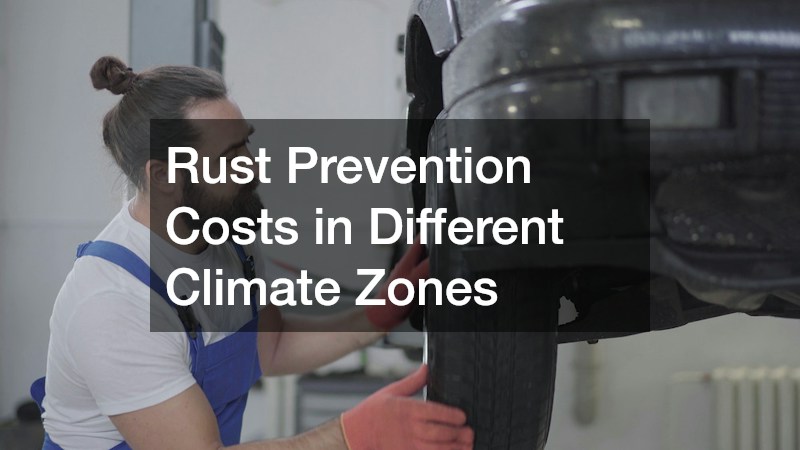
Geography plays a bigger role in ownership costs than most buyers realize until they have lived through a few harsh winters. Vehicles driven regularly on salted roads face accelerated corrosion on undercarriages, brake lines, and exhaust components, leading to repairs that owners in dry climates simply never encounter. This is one of the clearest examples of how the same vehicle can cost wildly different amounts to maintain depending purely on where it spends its life.
Owners in rust-prone regions often need more frequent undercoating treatments and should expect brake line and exhaust system replacements earlier than the manufacturer’s general estimates suggest. Keeping a close eye on wheel wells, door panels, and frame rails for early bubbling or discoloration can help catch rust spots before they spread into structural problems that are far more expensive to correct.
- Annual undercoating treatments can meaningfully slow rust progression in salt-belt states
- Brake lines and fuel lines often need earlier replacement in high-salt climates
- Rust repair costs rise sharply once corrosion reaches structural components
- Regular underbody washing during winter months reduces long-term corrosion risk
Diagnostic and Electrical Repair Costs on Modern Vehicles
Today’s vehicles are rolling computer networks, and that complexity introduces ownership costs that simply did not exist a generation ago. Software glitches, sensor failures, and wiring harness problems can be far more expensive to diagnose than a mechanical issue, since technicians often need vehicle-specific scan tools just to identify the root cause. An auto collision shop handling a modern vehicle after even a minor accident may need to address multiple electrical modules tied into the bumper or fender being replaced.
Buyers should ask about the cost and frequency of software updates, since some manufacturers charge for updates that other brands provide free of charge. Extended warranties that specifically cover electrical and computer modules can be worth the extra cost for vehicles known to have finicky infotainment or sensor systems.
- Vehicle-specific scan tools and software subscriptions add cost to routine diagnostics
- Electrical gremlins are often harder to pinpoint than mechanical failures
- Some manufacturers charge recurring fees for infotainment software updates
- Extended electrical coverage can offset unpredictable repair bills on tech-heavy trims
The true cost of vehicle ownership extends far beyond the purchase price, and it shifts dramatically depending on the type of vehicle you choose, where you live, and how you use it. Taking the time to research repair complexity, depreciation patterns, and preventive maintenance options before you buy puts you in a much stronger position than reacting to surprise bills later. Talk to local repair shops, compare real ownership data across the vehicles you are considering, and factor these hidden expenses into your budget from day one. A little research now can save you thousands of dollars and a lot of frustration over the years you own your next vehicle.