 Auto Trader California
A shudder when you shift, a whine that grows louder on the highway, or fluid spots on your driveway can all signal a transmission on its way out. The natural question is whether you can keep driving while you save up or schedule a fix, or whether every mile is pushing you closer to a breakdown. The honest answer depends on the symptom, the severity, and how your vehicle is built.
Understanding the warning signs and their real risks can help you avoid getting stranded, or worse, turning a manageable repair into a catastrophic one.
Recognizing the Early Warning Signs of Transmission Trouble
Most transmissions do not fail without warning. Long before a complete breakdown, drivers usually notice small changes in how the vehicle shifts, sounds, or feels under acceleration. These early symptoms often include delayed engagement when shifting from park to drive, gears that slip or hesitate mid-shift, unusual grinding or whining noises, and a burning smell that can signal overheating transmission fluid.
Some warning signs are subtle enough to dismiss as normal wear, such as a slight shudder around 30-40 mph or a faint clunk when accelerating from a stop. Others are harder to ignore, like a check engine light paired with rough shifting, or fluid spots under the car that appear reddish or brown rather than the usual clear or light amber color.
Catching these signs early is the single best way to control your repair costs and avoid being stuck on the side of the road. A transmission fluid check or minor adjustment caught in the early stages might cost a few hundred dollars, while ignoring the same symptoms for months can lead to internal damage that requires a full rebuild or replacement costing thousands more.
- Delayed or hard shifting between gears, such as a pause before the car engages after you shift from park to drive
- Slipping, where the engine revs higher (sometimes to 3,000+ RPM) but the car does not accelerate as expected
- Grinding, whining, or humming noises during acceleration that change pitch with vehicle speed
- Clunking or shuddering when the transmission shifts gears, especially between 1st and 2nd or 2nd and 3rd
- Burning smell coming from under the hood, often a sign of overheating or degraded transmission fluid
- Fluid leaks under the vehicle, usually bright red or brown and found near the center of the car
- Low or discolored transmission fluid on the dipstick, which should be pinkish-red rather than dark brown or black
- Dashboard warning lights, including the check engine light or a dedicated transmission temperature warning
How Fluid Condition and Leaks Affect Your Timeline
Transmission fluid does two jobs at once: it lubricates moving parts and helps regulate temperature. Once fluid becomes low, dirty, or contaminated, internal components start rubbing and overheating much faster than they should. A small leak that seems minor today can drain enough fluid within a week or two to cause serious internal damage.
If you notice reddish or brownish spots under your parked car, check your fluid level as soon as possible and top it off only as a short-term measure. Driving on critically low fluid for even a few days can warp gears and burn out clutch packs, turning a simple fluid top-off into a full rebuild. Anyone who has already dealt with an unexpected auto transmission repair bill knows how quickly a small leak can escalate into thousands of dollars in damage if it is ignored.
What Slipping Gears Really Mean for Drivability
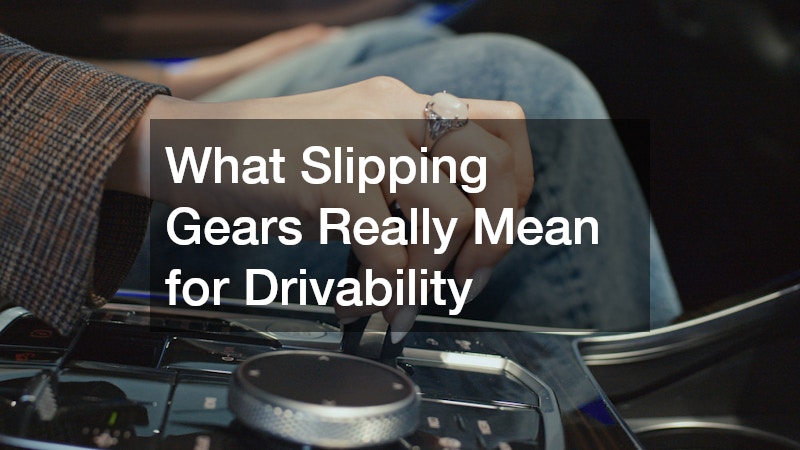
Slipping is one of the more dangerous symptoms because it directly affects your ability to accelerate safely. If your transmission hesitates or slips when merging onto a highway, you may not have the power you need to avoid a collision. This is not a symptom to manage for weeks or months; it usually means internal components like clutch plates or bands are already wearing out.
In general, mild occasional slipping might be safe to drive on for a short period, perhaps a few days, while you arrange service. Frequent or worsening slipping, especially paired with unusual noises, should be treated as a same-week problem. Waiting too long often means the difference between a moderate repair and needing a full transmission replacement.
Special Considerations for European and Luxury Vehicles
Not all transmissions are built the same, and some luxury brands use more complex, sensor-dependent systems that fail differently than standard models. Owners of German-engineered vehicles often notice that transmission issues arrive alongside electronic error codes rather than obvious mechanical symptoms. This makes diagnosis trickier, since a computer glitch can sometimes mimic a mechanical failure.
If you drive a German import and notice erratic shifting alongside dashboard alerts, it is worth having a shop that specializes in BMW repair take a look before assuming the worst. These vehicles often use adaptive transmission software that learns your driving habits, and a reset or relearn procedure can sometimes resolve what looks like a mechanical problem. Still, ignoring repeated warning codes on any luxury vehicle rarely ends well, since replacement parts and labor tend to cost more than on mainstream brands.
Estimating Safe Driving Distance Before Repair
There is no single number of miles that applies to every failing transmission, but general guidelines can help you gauge urgency. A transmission with minor fluid loss and no slipping might reasonably last a few hundred more miles if monitored closely. One with active slipping, grinding, or burning smells should be treated as unsafe for anything beyond an immediate trip to a shop.
- Minor fluid seep, no symptoms: short trips only, days, not weeks
- Occasional hesitation or delayed engagement: get it checked within the week
- Consistent slipping or grinding: tow it, do not drive it further
- Complete loss of gears or no movement: call for a tow immediately
Choosing Between Minor Fixes and Full Replacement
Once a shop diagnoses the issue, you will typically face a choice between a targeted fix and a more extensive rebuild or replacement. Simple problems like a faulty solenoid, worn seal, or sensor failure are often resolved through routine transmission repair without opening up the entire unit. More advanced wear, such as damaged gears or a burnt-out torque converter, usually requires a deeper rebuild.
A trustworthy shop will walk you through diagnostic results before recommending a path forward, rather than jumping straight to the most expensive option. Getting a second opinion is reasonable if a quoted repair estimate feels disproportionate to your symptoms, especially for relatively new vehicles. Weigh the vehicle’s age and mileage against the cost of a rebuild versus replacement, since an older transmission nearing the end of its lifespan may not justify a full overhaul. Cost aside, the deciding factor should always be how much further damage continued driving could cause.
Every failing transmission tells its own story through fluid leaks, unusual noises, or hesitant shifting, and listening closely can save you from a roadside emergency. When in doubt, err on the side of caution and have the vehicle inspected sooner rather than later. A quick diagnostic visit now is almost always cheaper and safer than pushing your luck for another week of driving.