 Auto Trader California
A single hailstorm or a season of parking lot mishaps can turn a pristine paint job into a patchwork of dents, chips, and scratches. Beyond looking bad, unaddressed damage can lower your car’s resale value and, in some cases, lead to rust if the clear coat or metal underneath is compromised. The good news is that with the right knowledge and a few preventive habits, you can shield your vehicle from the worst of what weather and daily life throw at it. This guide walks through practical steps for protecting your car’s finish, understanding your repair options, and knowing when to call in professionals.
Understanding How Hail Damages Your Vehicle
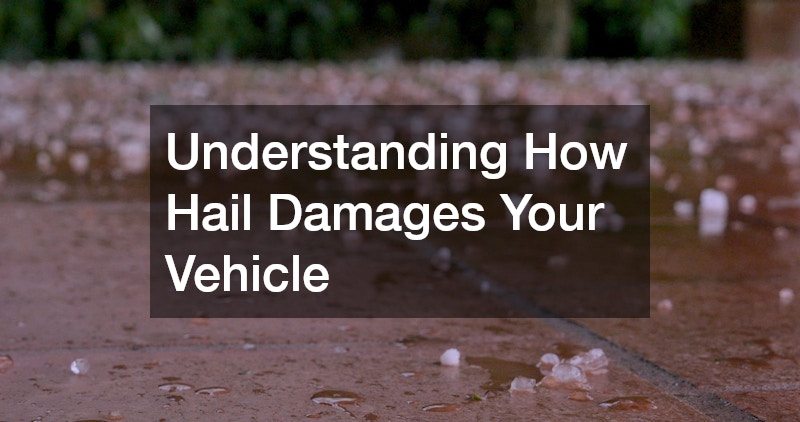
Hail damage happens when ice pellets strike sheet metal with enough force to create small indentations without breaking the paint surface. Because the metal stretches rather than cracks, the clear coat and paint usually stay intact, which is exactly why paintless dent repair works so well on most hail-damaged panels. The severity depends on hailstone size, wind speed, and the angle of impact, which is why a single storm can leave dozens of dents ranging from barely visible to quarter-sized craters.
Hailstones can range from pea-sized (about half an inch) to golf-ball or even baseball-sized in severe storms, and the difference matters enormously. A half-inch hailstone falling at 20 mph might leave a shallow ding that’s hard to spot in bright light, while a golf-ball-sized stone driven by 60 mph winds can punch a deep crater and even crack glass or trim.
Temperature plays a role too — colder metal is more brittle and prone to sharper, more defined dents, while sun-warmed panels flex more and sometimes rebound with less visible damage. That’s part of why identical storms can leave very different damage patterns on cars parked just a few miles apart.
Horizontal surfaces like the hood, roof, and trunk typically take the brunt of the damage since they face upward toward falling ice. Vertical surfaces like doors and fenders usually escape with fewer, shallower dents unless wind pushes the hail sideways, and areas with reinforced structure underneath, such as spots near window frames, often show less deformation than flat, unsupported panel sections.
Knowing what to look for after a storm helps you decide how quickly to act. Hailstones typically range from pea-sized (about a quarter-inch) to golf ball-sized or larger, and the size, wind speed, and angle of impact all influence how much damage your car sustains. Larger stones falling at high speed can crack the clear coat on impact, even when the dent itself looks minor.
Small dents may seem purely cosmetic, but if left untreated, moisture can sometimes work into stressed paint and cause long-term issues. Once the clear coat is compromised, water can seep beneath the surface and lead to bubbling, rust, or paint discoloration around the damaged area over time.
It’s also worth checking areas beyond the hood and roof, since horizontal surfaces usually take the brunt of the impact but side panels, mirrors, and trim can show damage too. A flashlight held at a low angle in the evening or early morning often reveals dents that are invisible under direct overhead sunlight. Documenting damage with photos right away can also make insurance claims easier if repairs turn out to be extensive.
- Check the hood, roof, and trunk lid first since they take the most direct hits, often showing dents from a half-inch to two inches wide
- Run your hand over the surface in indirect light or at dusk, when shadows make shallow dents easier to feel than see
- Look closely at side mirrors and window trim for cracks or chips, since plastic and rubber components crack rather than dent
- Check the roof rack, antenna, and rain gutters, as these edges concentrate impact and dent easily
- Note any paint that looks cracked or flaked at the edge of a dent, which signals the clear coat has failed and rust may follow
- Inspect the trunk and hood seams, where hail can chip paint along the factory edges
Recognizing When You Need Professional Dent Assessment
Not every mark on your car requires a shop visit, but distinguishing between minor cosmetic dings and damage that affects the panel’s structure matters. A trained eye can tell the difference between a dent that will pop back into shape and one that has stretched the metal beyond simple correction. This is where paintless dent repair becomes such a valuable option, since it works best on dents that haven’t cracked the paint or damaged the underlying structure.
Getting an assessment sooner rather than later also matters for insurance purposes. Many insurers require documentation of hail damage within a specific window after a storm, and waiting too long can complicate your claim or make it harder to prove the damage was storm-related rather than accumulated over time.
- Take timestamped photos of all visible damage right after the storm
- Contact your insurance company promptly if you plan to file a claim
- Ask for a written estimate before agreeing to any repair work
- Keep a record of any prior damage for comparison
Comparing Paintless Dent Repair to Traditional Bodywork
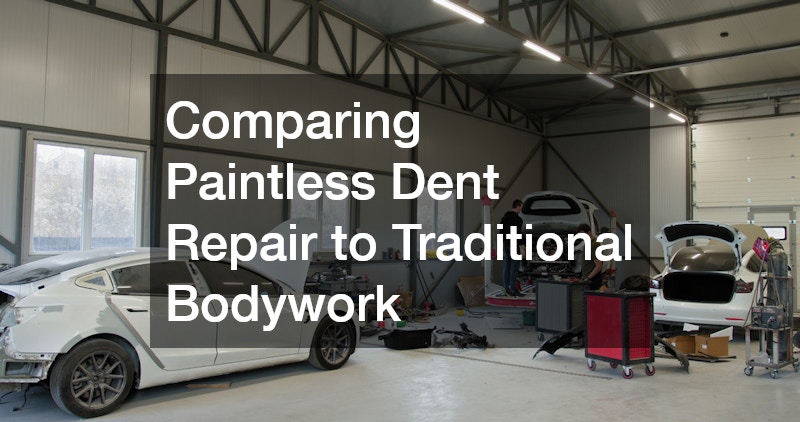
For hail damage specifically, a dent-massaging technique performed from behind the panel—known as paintless dent repair (PDR)—has become the go-to method because it preserves the factory paint finish while removing the dent using specialized tools. Technicians access the backside of the metal through existing openings, such as window channels or trim gaps, and use rods, picks, and glue-pulling kits to gently push or pull the dent back into shape. This approach avoids the need for fillers, sanding, or repainting altogether, which is why it works so well for the shallow, widespread dings hail typically leaves behind.
Cost and speed are where PDR really stands out. A typical hail repair job might run a few hundred dollars and take a single day, compared to traditional bodywork that can involve filler, primer, paint blending, and clear coat curing time stretching into several days or even weeks. Many insurers now prefer PDR for hail claims specifically because it lowers repair costs without sacrificing quality.
That said, PDR has limits. Dents with sharp creases, cracked paint, or damage located near a panel’s edge often can’t be fully corrected this way, since the metal has been stretched or the paint bond compromised. In those cases, technicians typically recommend falling back on traditional bodywork.
Preserving the factory finish also carries a real financial upside beyond the repair bill itself. Vehicles with original paint generally score higher on vehicle history reports and inspections, since repainted panels can raise flags for buyers wondering about hidden prior damage. For anyone planning to sell or trade in a hail-damaged vehicle, choosing PDR whenever the damage qualifies can mean a meaningfully better resale outcome.
Traditional auto body repair still has its place, especially when paint has cracked, metal has torn, or a dent is located near a body panel edge where access is limited. Paintless dent repair relies on the metal’s ability to flex back into shape, so anything beyond that threshold — sharp creases, stretched metal, or damage larger than about the size of a dinner plate — usually calls for conventional methods instead.
In these cases, a shop may need to fill, sand, prime, and repaint the affected area to restore both appearance and structural integrity. This process typically takes several days rather than the few hours PDR requires, and costs more because of materials, labor, and paint-matching work. It’s also the only real option when the damage compromises structural components, not just the outer panel.
Location matters too. Dents near door edges, wheel wells, or trim pieces often can’t be accessed with the specialized tools PDR technicians use to massage metal from behind the panel. In those spots, cutting into the panel or removing trim for traditional repair may be unavoidable.
Understanding which category your damage falls into helps you have a more informed conversation with whoever inspects your vehicle. A qualified technician should be able to explain why one approach is recommended over the other, and getting a second opinion is reasonable if a shop pushes for a full repaint when the damage looks minor.
- Paintless dent repair (PDR) works best on shallow to medium dents without cracked paint, typically dents smaller than a golf ball with accessible backsides
- Auto body repair becomes necessary when paint is cracked, metal is stretched, or the dent sits near a body edge
- PDR technicians use specialized rods and tools to gently massage metal back into shape from behind the panel
- Non-invasive dent correction typically costs less ($75-$150 per dent vs. hundreds for bodywork) and takes hours instead of days
- Traditional auto body repair may involve sanding, filling, repainting, and clear coating to fully restore the panel
- Ask which method is recommended for your specific damage, and request photos or an explanation before approving work
- Get a second opinion if a shop pushes straight to bodywork without first assessing PDR eligibility
Choosing the Right Shop for Hail Damage Repair
After a major storm, demand for repairs spikes, and not every shop that pops up to handle the overflow has the experience or equipment to do quality work. It’s worth taking time to research auto body shops in your area, checking reviews, and asking specifically about their experience with auto hail damage repair before committing to anyone. A reputable shop will walk you through the assessment process, explain your options, and give you a realistic timeline rather than rushing you into a decision.
Storm-chasing repair operations sometimes set up temporary locations near affected neighborhoods, promising quick turnarounds. While some of these are legitimate, others disappear once the rush is over, leaving warranty claims unanswered. Sticking with an established, local option gives you recourse if something goes wrong after the repair is complete.
- Ask how long the shop has operated in your area
- Request references or before-and-after photos of prior hail repairs
- Confirm whether they offer a written warranty on their work
- Verify they work directly with your insurance company if you’re filing a claim
Handling Collision Damage Alongside Hail Repairs
If your vehicle has sustained both hail damage and impact damage from an accident, the repair process becomes more involved. Auto collision shops are equipped to handle structural repairs, frame alignment, and panel replacement that go beyond what a hail-focused shop typically offers. It’s important to disclose all damage upfront so the shop can create a repair plan that addresses everything in the right order.
Combining repairs can sometimes save you money since certain labor and preparation steps overlap between hail and collision work. A shop experienced in both areas can often bundle the estimate and complete the work more efficiently than sending your car to two separate specialists.
- Disclose all known damage, old and new, during the initial inspection
- Ask whether structural repairs need to happen before cosmetic work
- Request a combined estimate if your car needs both types of repair
- Confirm the shop has equipment for frame measurement and alignment
Protecting Your Finish with Ceramic Coatings
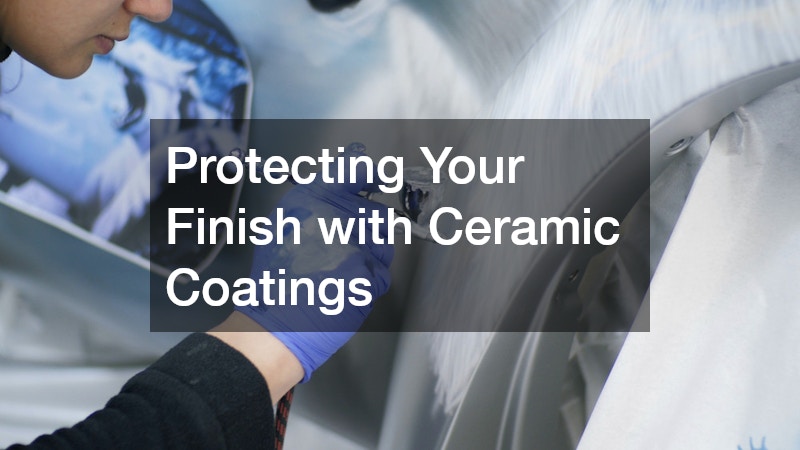
Once your car’s finish is restored, prevention becomes the priority, and this is where a car ceramic coating can make a real difference. This liquid polymer bonds to the clear coat, creating a hard, glossy layer that resists minor scratches, chemical stains, and UV fading far better than wax alone. While it won’t stop a golf-ball-sized hailstone from denting your hood, it does add a layer of resilience against smaller debris, bird droppings, and road grime that would otherwise etch into unprotected paint over time.
Application typically requires the surface to be fully corrected first, meaning any swirl marks or light scratches should be polished out before the coating goes on. Professional application usually lasts two to five years depending on the product used, while DIY kits offer a shorter-lived but more affordable alternative for budget-conscious owners.
- Ceramic coatings add scratch and chemical resistance, not dent protection
- Surface prep before application affects how well the coating bonds
- Professional grade coatings generally outlast consumer DIY kits
- Regular maintenance washing extends the coating’s effective lifespan
Considering Vinyl Wraps for Style and Surface Protection
A car wrap offers a different kind of protection by covering the factory paint with a vinyl layer that can be removed later without damaging the finish underneath. Beyond the customization options, a quality wrap acts as a sacrificial barrier against minor scuffs, light scratches, and sun exposure, which helps preserve the original paint for resale down the road. Vehicle wraps have become popular among owners who want to change their car’s appearance without committing to a permanent paint job.
It’s worth noting that wraps have limits when it comes to hail. While the vinyl can absorb some minor surface abrasion, it won’t prevent dents from forming in the metal beneath it, since the material simply follows the shape of whatever is underneath. Choosing a reputable installer matters, since poor installation can lead to peeling edges or trapped moisture that damages the paint over time.
- Wraps protect against scuffs and UV fading, not dent formation
- Removal should be done professionally to avoid damaging original paint
- Quality vinyl typically lasts five to seven years with proper care
- Inspect edges and seams periodically for lifting or bubbling

Building Daily Habits That Reduce Wear and Tear
Protecting your finish isn’t only about big storms; daily habits play a major role in how your paint holds up over years of ownership. Where and how you park, how often you wash your car, and how quickly you address small chips can add up to a noticeable difference in long-term appearance. Simple, consistent routines often prevent the kind of gradual damage that eventually requires a trip to an auto body center.
Weather exposure is one of the biggest daily threats to paint, even without hail involved. UV rays break down clear coat over time, and sitting bird droppings or tree sap can etch into the surface within hours if not cleaned promptly.
- Park in a garage or under a carport during severe weather warnings
- Use a quality car cover if outdoor parking is unavoidable
- Wash your car every one to two weeks to remove contaminants
- Address rock chips quickly with touch-up paint to prevent rust
- Avoid parking under trees where sap and droppings are common
Knowing What Your Insurance Will and Won’t Cover
Comprehensive insurance coverage typically pays for hail damage, but understanding your deductible and claims process ahead of time saves headaches later. Some policies also cover the cost of dent removal specifically, which can be more affordable to claim than a full repaint if the damage qualifies for paintless correction. Reviewing your policy before storm season arrives means you won’t be scrambling to understand your coverage while also dealing with actual vehicle damage.
Filing a claim isn’t always the best financial move, especially for minor damage that costs less to repair out of pocket than your deductible. Weighing the repair estimate against your deductible amount and the potential effect on future premiums helps you make a clear-headed decision rather than an emotional one right after a stressful storm.
- Confirm whether your policy includes comprehensive coverage for weather events
- Ask your insurer about deductible amounts specific to hail claims
- Compare repair costs to your deductible before filing
- Keep documentation ready in case you need to file quickly after a storm
Protecting your car’s finish takes a mix of prevention, quick action, and informed decision-making when damage does occur. Whether you’re dealing with a fresh round of hail dents or simply want to guard against years of daily wear, understanding your options gives you the confidence to choose the right path forward. Start by assessing any existing damage, researching reputable repair professionals in your area, and adopting a few protective habits you can stick with long term. Your car’s finish will thank you, and so will its resale value down the road.