 Auto Trader California
California’s geography and economy create one of the most demanding automotive and equipment ecosystems in North America. Stretching from alpine mountain passes and fertile agricultural valleys to crowded coastal ports and desert resort communities, the Golden State asks more of its vehicles than almost anywhere else. A driver might commute through coastal fog on a Tuesday, haul heavy equipment across the Central Valley on a Thursday, and tow recreational gear up to seven thousand feet in the Sierra Nevada by Friday afternoon.
Because California combines strict environmental regulations, high annual commercial mileage, and year-round recreational demand, keeping specialty vehicles and hard-to-find components in stock requires far more than standard factory ordering. Dealers cannot simply wait for a regional distribution center to drop off generic inventory. Instead, successful California dealerships, independent service centers, and fleet outfitters rely on intricate, multi-tiered sourcing networks that span the entire country—and occasionally the globe.
Understanding how these professionals locate, vet, import, and recondition niche vehicles and critical replacement components is not just an interesting look behind the curtain. For individual buyers, small business owners, and fleet managers, learning how dealers operate reveals practical ways to track down rare inventory, avoid costly regulatory traps, and cut months off repair wait times.
Leverage Manufacturer Allocations and Pre-Season Factory Orders
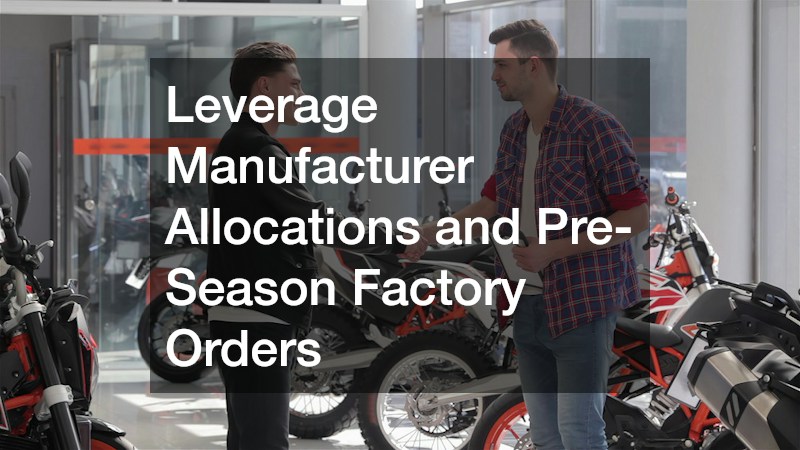
In states with harsh four-season climates, vehicle and equipment inventory follows a predictable rhythm of spring rush and winter hibernation. In California, however, microclimates overlap so dramatically that demand is nearly continuous, yet heavily regionalized. Dealers must anticipate seasonal spikes months before the weather shifts in the foothills, lakes, and coastal harbors, locking in factory build slots long before retail shoppers even start browsing online listings.
Consider how marine retail operates across the state. Because freshwater recreation ramps up early in the San Joaquin Delta and Southern California reservoirs before moving north to Lake Shasta and Lake Tahoe, a California boat dealer has to secure early-year production allocations from Midwestern and Southeastern factories as early as the previous autumn. Without those pre-booked manufacturing slots, dealerships risk empty showrooms right when spring temperatures climb, and buyers start looking for new pontoon boat sales ahead of Memorial Day weekend. Securing that inventory requires coordinating multi-state flatbed freight across the Rockies, navigating oversize load permits, and managing floorplan financing lines while units are still in transit.
This same pre-season allocation model governs agricultural rigs, utility trailers, and regional recreation equipment. Dealers analyze multi-year registration data and local water-level forecasts to decide which trim packages, hull lengths, or towing capacities to order in bulk. When retail buyers understand this behind-the-scenes calendar, they can stop settling for whatever happens to sit on a local lot and instead tap directly into incoming factory pipelines.
- Place custom deposits between October and January: Ordering ahead of peak spring and summer demand lets you customize colors, powertrains, and seating layouts while locking in pre-season pricing before spring freight surcharges take effect.
- Ask for incoming factory build sheets: If a dealership lot looks sparse, ask the sales manager to show you their allocated transit manifest. Most California dealers have dozens of units already assigned to them on factory assembly lines that have not yet hit public listing portals.
- Confirm overland freight and prep timelines: When buying specialty equipment built out of state, verify whether quoted delivery dates include cross-country transport, California port or border agricultural inspections, and local dealer pre-delivery rigging.
Tap Commercial Fleet Liquidations and Municipal Auction Pipelines
Not every specialty vehicle arrives shrink-wrapped on a manufacturer’s transport trailer. A massive share of California’s heavy-duty and commercial inventory moves through closed business-to-business remarketing channels, municipal surplus auctions, and scheduled corporate fleet rotations. Dealerships that specialize in commercial and utility equipment maintain dedicated buyers whose sole job is monitoring fleet retirement cycles across the West Coast.
In the passenger transport sector, large operators run vehicles on strict age and mileage thresholds to protect their safety ratings and insurance premiums. A regional charter bus rental company, for example, will routinely rotate out multi-passenger coaches once they hit a predetermined odometer milestone, even when the engines and chassis still have hundreds of thousands of miles of serviceable life remaining. Commercial dealers buy these decommissioned coaches in multi-unit lots, recondition the interiors, update exterior branding, and resell them to schools, tour operators, and private shuttle companies at a fraction of new-build pricing.
A similar pipeline drives winter road maintenance equipment in the Sierra Nevada and Cascade ranges. Rather than waiting until the first blizzard traps mountain traffic, a mountain-region snow plow dealer sources heavy-duty trucks, municipal upfits, and hydraulic clearing attachments through off-season government surplus auctions and contractor fleet liquidations. By acquiring retired municipal rigs in late spring, dealers have the entire summer to rebuild hydraulic pumps, replace cutting edges, and reinforce mounting frames before selling the turnkey setups to private contractors and ski resorts in October.
- Request full preventative maintenance dossiers: Ex-fleet and municipal vehicles almost always come with digitized service logs, oil analysis reports, and Department of Transportation inspection histories. Always ask the dealer to pull these records before making an offer.
- Time your search around fiscal year-end renewals: Many California municipalities and corporations liquidate older fleet units in June and December to align with fiscal budgets and tax depreciation schedules, creating brief surges in high-quality dealer inventory.
- Inspect hydraulic and auxiliary systems separately from the engine: Commercial rigs often accumulate high idle hours running auxiliary equipment even when odometer mileage looks moderate. Have a mechanic check PTO units, electrical harnesses, and structural mounts for fatigue.
Build Direct Partnerships With Custom Fabricators and Marine Builders

When off-the-shelf models cannot handle California’s specialized industries, dealers bridge the gap by partnering directly with custom fabricators, regional builders, and niche vehicle refurbishers. From harbor patrol operations in San Diego and Oakland to sprawling master-planned communities in the Coachella Valley, local terrain and municipal codes frequently demand tailored engineering rather than mass-produced compromises.
Along the coast and major waterways, commercial operators rarely buy standard recreational hulls for daily industrial tasks. Instead, marine dealerships and port outfitters work closely with a specialized workboat manufacturer to commission welded-aluminum vessels engineered for specific payloads, shallow drafts, or heavy towing duties. Dealers coordinate the hull specifications with the builder while sourcing compliant outboard or inboard propulsion systems locally, ensuring the finished vessel meets both United States Coast Guard standards and strict California harbor emissions rules before it ever touches the water.
At the opposite end of the speed spectrum, dealerships serving desert resorts, retirement communities, and sprawling agricultural properties rely on localized refurbishment networks to meet booming demand for low-speed neighborhood transport. Because wait times for brand-new utility carts can stretch for months, many dealers buy off-lease resort fleets, strip them down to the frame, install fresh lithium battery packs, upgrade suspension components, and list each rebuilt unit as a turnkey used golf cart for sale. By partnering with local powder-coaters, upholstery shops, and electric drivetrain specialists, these dealers transform worn fleet units into reliable, street-legal neighborhood vehicles.
- Verify California street-legal classifications before buying: Low-Speed Vehicles and Neighborhood Electric Vehicles must meet specific speed, lighting, windshield, and seat belt requirements under the California Vehicle Code to be registered for public roads. Confirm whether a refurbished cart comes with a valid title and VIN.
- Ask about custom upfitting prior to delivery: Many specialty dealers have standing wholesale accounts with local fabricators who can weld custom utility racks, install weather enclosures, or upgrade battery management systems and roll the cost directly into your purchase financing.
- Check hull and structural weld warranties: When commissioning custom-built marine or utility equipment through a dealer, ensure the contract clearly separates the fabricator’s structural warranty from the component warranties covering engines, electronics, and hydraulics.
Navigate CARB Compliance and OEM-Grade Drivetrain Sourcing
Sourcing replacement drivetrains and major mechanical assemblies in California comes with a regulatory hurdle that buyers in forty-nine other states rarely think about: California Air Resources Board compliance. Under state law, repair shops and dealerships cannot legally install aftermarket emissions-related components, engine swaps, or mismatched powertrain assemblies unless those parts carry an approved Executive Order exemption or match the vehicle’s original factory emissions certification.
This strict oversight transforms how California dealers source mechanical replacements. When a mountain commuter or outdoor enthusiast brings in an all-wheel-drive Subaru with high-mileage wear, a California service department cannot simply bolt in the cheapest out-of-state drivetrain assembly found on a national auction board. Because engine control modules, catalytic converter configurations, and exhaust gas recirculation systems vary between federal and California-certified models, installing the wrong assembly will trigger permanent check-engine codes and an automatic Smog Check failure.
To avoid costly comebacks, California dealers rely on vetted networks of factory-remanufactured suppliers, certified West Coast dismantlers, and specialized importers who catalog assemblies by exact engine family codes and Executive Order numbers. Whether sourcing a factory-rebuilt engine or matching exact final-drive gear ratios for a replacement transmission, technicians verify every casting number and calibration code against the vehicle’s original VIN before the part ever leaves the warehouse. This meticulous verification protects both the dealership’s state repair license and the vehicle owner’s ability to legally renew their registration.
Use Dismantler Networks and Acoustic Compliance Checks for Hard-to-Find Parts
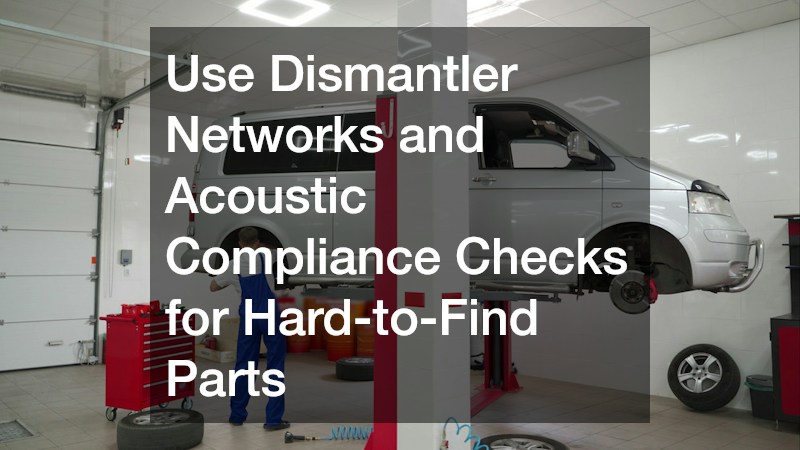
Even the most well-connected dealership runs into factory backorders, particularly when servicing European commercial vans, discontinued trim packages, or specialized exhaust systems. When original equipment manufacturers quote three- to six-month wait times for critical components, California dealers turn to the state’s licensed auto dismantler exchanges and regional acoustic compliance specialists to keep commercial and personal vehicles moving.
California’s commercial delivery and camper-van boom has put enormous strain on replacement parts inventories. Rather than letting a commercial delivery fleet or custom adventure van sit idle for months waiting on a factory shipment, independent shops and dealers tap statewide dismantler networks to source tested used Sprinter van parts. By querying shared inventory databases across licensed recycling facilities in Rancho Cordova, Sun Valley, and Fontana, parts managers can locate intact sliding door assemblies, diesel exhaust fluid heaters, seating rails, and interior trim panels within twenty-four hours—often saving commercial owners forty to sixty percent compared to new dealer list prices.
Exhaust and acoustic components require just as much care. Under California Vehicle Code Sections 27150 and 27151, passenger vehicles and commercial trucks must comply with strict decibel limits, and law enforcement actively issues citations for overly loud or modified exhaust systems. When sourcing a replacement muffler for a daily driver, performance coupe, or heavy utility van, California dealers verify both emissions legality and decibel compliance, avoiding generic universal cans that might resonate above state sound thresholds or interfere with downstream oxygen sensors.
Vet Pre-Delivery Inspections, Transport Logistics, and Warranty Paperwork
Because California dealers frequently source rare vehicles and heavy components from out-of-state auctions, Midwest factories, and coastal ports, the final stage of the sourcing pipeline is just as important as finding the asset itself. Bringing an out-of-state vehicle or specialty machine into California triggers mandatory legal, mechanical, and environmental checks that must be completed cleanly before a buyer takes ownership.
First comes physical and corrosion vetting. Many desirable specialty vehicles—such as low-mileage four-wheel-drive chassis, commercial box trucks, and recreational trailers—spend their early lives in states that use heavy road salt or magnesium chloride during winter. Before a reputable California dealer puts an out-of-state acquisition on the front line, technicians put it on a lift to inspect brake lines, frame rails, electrical grounds, and exhaust hangers for hidden structural rust that California’s dry climate would never produce.
Next comes administrative and regulatory clearance. Every vehicle brought into California from another state requires an official VIN verification conducted by the Department of Motor Vehicles, a licensed verifier, or law enforcement, alongside a passing California Smog Check regardless of how recently it was inspected in its home state. Experienced dealers complete this paperwork in advance, ensuring the title is free of salvage branding, unpaid out-of-state liens, or unresolved emissions recalls. Buyers who understand this final-mile checklist can evaluate any specialty dealer with confidence—and protect themselves when buying privately.
Turning Dealer Sourcing Strategies Into Smarter Buying Decisions
Behind every well-stocked showroom lot and fast-turnaround service bay in California sits an active network of factory relationships, commercial fleet connections, custom builders, and compliance specialists. Dealers succeed in the Golden State not because they wait for inventory to arrive, but because they plan around regional microclimates, navigate strict environmental and noise laws proactively, and know exactly where to turn when standard supply chains stall.