 Auto Trader California

Driving across the Golden State presents an unmatched diversity of terrain, climate, and daily operating conditions. A single afternoon can take a motorist from the humid, salt-tinged breezes of the Pacific Coast Highway straight into the dry, triple-digit heat of the Central Valley, or through the abrasive brake dust and stop-and-go congestion of major metropolitan expressways. While California offers iconic driving routes, these contrasting environments place continuous stress on mechanical assemblies, exterior clear coats, and passenger cabins.
True vehicle stewardship requires far more than changing the engine oil once or twice a year. Managing an automobile successfully throughout its lifespan demands an interconnected strategy that addresses environmental protection, precision mechanical calibration, secure transport readiness, and liability preparedness. By approaching vehicle preservation through structured preventative habits, drivers can maximize daily performance, safeguard passenger comfort, and defend long-term asset value across every mile.
Shielding Exterior Surfaces from Sun Damage and Coastal Air
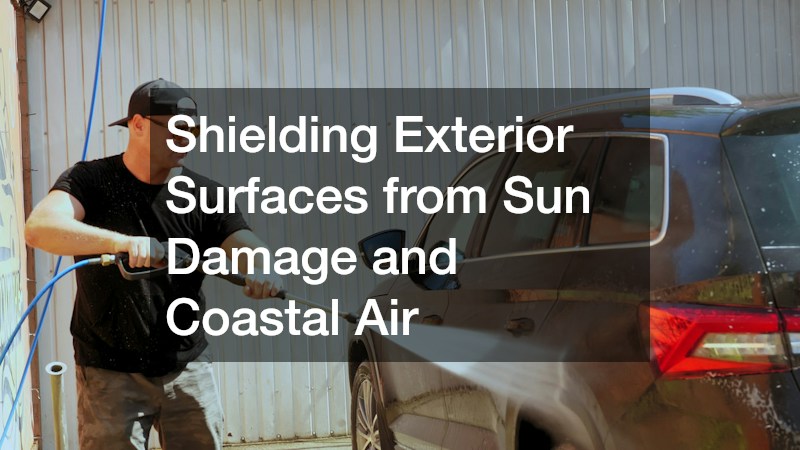
California’s high solar index accelerates the breakdown of clear coats, while persistent marine layers deposit airborne sea salts that bond directly to exposed metal and paint finishes. Left unchecked, this combination leads to premature clear coat oxidation, etching, and paint delamination. Establishing a dependable exterior preservation regimen is the first step toward safeguarding your vehicle’s exterior.
Establishing a Routine Wash Cycle to Prevent Clear Coat Corrosion
Road grime contains a mixture of petroleum residues, pulverized rubber, and organic industrial particulates that cling stubbornly to exterior paint. If these contaminants sit on panels under baking sunlight, they heat up, expand, and etch into the clear coat, creating micro-fissures that allow moisture to oxidize raw steel.
To maintain proper clear coat integrity, implement these washing standards:
- Adopt a dedicated two-bucket hand wash routine using grit guards at the base of each bucket—one designated for soapy suds and the other strictly for rinsing dirt out of the wash mitt.
- Pre-rinse the vehicle thoroughly under moderate water pressure to displace loose exterior dust before any sponge or microfiber towel physically contacts the bodywork.
- Clean wheels, wheel wells, and rocker panels using separate wash media and dedicated brushes to prevent transferring sharp metallic brake dust onto clear paint finishes.
- Wash the automobile in covered shade or early morning hours, ensuring body panels remain cool to the touch to stop wash solutions from drying into stubborn alkaline water spots.
- When tight schedules or municipal water rationing rules limit home hand-washing, utilize touchless automated car washes that rely on high-volume liquid streams rather than spinning synthetic brushes that cause micro-swirls.
Washing frequently removes corrosive surface contaminants before they can chemically integrate with the paint, keeping the finish clean, hydrophobic, and receptive to further protective treatments.
Applying Deep Paint Correction and Hydrophobic Sealants for Lasting Gloss
Washing alone cannot strip embedded metallic railway dust, industrial fallout, or tree sap that has bonded to the clear coat. True paint decontamination demands physical and chemical extraction followed by multi-stage polishing to restore surface clarity.
- Apply an iron-releasing chemical spray across painted surfaces and alloy wheels to dissolve embedded sintered brake dust particles that regular soap cannot lift.
- Glide a specialized synthetic clay bar over lubricated exterior panels to extract microscopic surface grit until the paint feels as smooth as glass.
- Level existing light swirl marks and haze using a dual-action orbital machine polisher paired with a progressive compound and micro-finishing finishing polish.
- Seal the polished clear coat with an advanced ceramic coating or synthetic fluoropolymer sealant to build a resilient barrier against UV degradation, acid rain, and bird droppings.
- When dealing with deep swirl patterns, cloudy oxidized headlights, or severe water-spot etching, scheduling a comprehensive professional car detailing service will completely restore paint depth and preserve the exterior value far better than over-the-counter waxes.
Once the paint surface is leveled and sealed, water and road filth sheet off easily, drastically cutting down the manual effort needed during subsequent maintenance washes.
Regulating Cabin Heat and Fortifying Vehicle Glass
The large glass surfaces of modern vehicles act as thermal magnifiers, trapping solar heat inside passenger compartments and subjecting vehicle glass to continuous environmental stress. Maintaining cabin temperatures and windshield structural integrity is critical for comfort, safety, and operational longevity.
Installing High-Performance Heat-Rejection Films to Guard Interiors
Untreated automotive glass admits massive amounts of infrared radiation and ultraviolet light into the cabin. Over time, unchecked interior solar gain fades fabric stitching, dries out leather upholstery, warps dashboard plastics, and forces automotive air conditioning systems to run at continuous peak capacity.
- Choose premium nano-ceramic or multi-layer carbon window films designed specifically to block infrared heat without relying on dark, heavily dyed pigments that impede nighttime visibility.
- Verify that any film applied to the windshield or front driver and passenger side windows complies strictly with California Vehicle Code regulations regarding luminous light transmission limits.
- Rely on professional digital plotters that cut window patterns precisely to vehicle glass contours, preventing ragged film edges, visible light gaps, or blade damage to window gaskets.
- Recognize that commissioning a certified car window tinting service prevents common bubbling, adhesive purple discoloration, and optical distortion caused by low-grade DIY materials. Work with an auto window tinting service today.
- Condition tinted interior glass surfaces exclusively using ammonia-free automotive glass cleaners and soft microfiber towels to protect the top scratch-resistant hard coat from degrading.
High-rejection films keep cabin temperatures manageable during sweltering valley summers, easing the thermal load on interior electronics and reducing alternator demand from the air conditioning compressor.
Resolving Windshield Pits and Recalibrating Advanced Driver-Assistance Systems
Windshields serve as structural safety components, providing rigidity to the vehicle frame during rollovers and acting as the backstop for passenger airbag deployment. When gravel kicked up on the freeway strikes a windshield, the resulting chip must be addressed immediately before temperature fluctuations force it to spread across the glass.
- Repair minor rock chips and bullseye fractures smaller than a quarter immediately using optical-grade resin injection to halt structural crack propagation.
- Inspect the full glass perimeter regularly for stress fractures running along the edges where vehicle frame torsion places the highest shearing forces on glass panes.
- Avoid exposing pitted windshields to sudden, severe temperature shifts, such as blasting maximum defroster heat onto a frosty windshield or spraying freezing water onto sun-baked glass.
- Whenever a crack spreads directly into the driver’s immediate forward line of sight or exceeds six inches in length, contract a certified auto glass replacement service to remove the damaged pane and bond a structural OEM-spec windshield into place.
- Require static and dynamic recalibration of front-facing Advanced Driver-Assistance Systems (ADAS) cameras and safety sensors mounted directly behind the glass following any full replacement.
A properly installed, crystal-clear windshield ensures the forward cameras, lane departure alerts, and automated braking sensors function with complete accuracy under all driving conditions.
Handling Manufacturer-Specific Diagnostics and Precision Mechanical Care
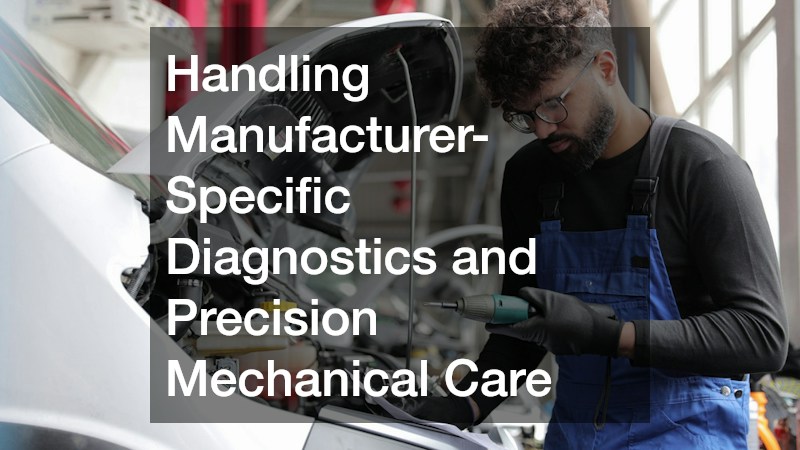
Every vehicle manufacturer designs powertrains around specific mechanical architectures, proprietary control modules, and tight operational tolerances. Successfully maintaining these vehicles requires respecting engineered specifications rather than treating modern engines like simple generic machines.
Servicing Modern Direct-Injection Powertrains and Specialty Valve Systems
Modern performance and commuter engines utilize high-pressure direct fuel injection, variable valve timing, and high-compression cylinder architectures to maximize fuel efficiency and throttle response. These advanced designs leave little room for deferred maintenance or subpar fluids.
- Adhere strictly to the manufacturer’s specified motor oil viscosities—such as 0W-20 or 5W-30 full synthetic formulations—to ensure adequate lubrication for hydraulic variable valve timing solenoids upon cold startup.
- Clean intake valves periodically via manual walnut blasting or chemical induction treatments to remove severe carbon buildup inherent to direct-injection configurations where fuel no longer washes over the intake valves.
- Inspect direct-injection high-pressure mechanical fuel pumps, spark plugs, and ignition coils at recommended mileage checkpoints to avoid subtle engine misfires that destroy downstream catalytic converters.
- For owners running modern Skyactiv engines, rotary platforms, or specialized compression architectures, taking the vehicle to an experienced technician who focuses specifically on Mazda repair ensures accurate diagnostic scanning and correct factory torque tolerances.
- Replace drivetrain fluids—including transmission fluid, transfer case oils, and rear differential gear lubricants—well before the severe-service interval limits, especially when frequently tackling steep mountain grades.
Disciplined, brand-conscious mechanical servicing prevents small electrical or fueling imbalances from developing into catastrophic powertrain failures on the highway.
Maintaining Comprehensive Digital Service Logs to Protect Resale Liquidity
Beyond smooth operation, the primary reward of thorough mechanical maintenance is long-term market liquidity. When the time comes to sell or trade an automobile, documented proof of responsible ownership sets your vehicle apart from poorly maintained alternatives.
Detailed service records eliminate uncertainty, validate asking prices, and give prospective purchasers total peace of mind regarding the vehicle’s actual mechanical condition.
Selecting Heavy-Duty Hauling Equipment for Projects and Recoveries
Vehicle enthusiasts, track-day drivers, and independent contractors frequently need to transport vehicles securely. Safely moving an automobile on California highways demands a comprehensive understanding of trailer equipment, weight distribution, and hauling safety standards.
Evaluating Open Deck vs. Enclosed Hauling Platforms for Specialized Transport
Using an inadequate trailer creates dangerous highway handling instability, risks cargo damage, and exposes drivers to severe roadside vehicle citations. Matching the hauling platform to your vehicle’s footprint and curb weight is non-negotiable.
Setting up the proper hauling rig ensures the towed vehicle remains firmly secured to the deck without inducing hazardous sway or overloading the tow vehicle’s rear suspension. Call local car trailer dealers for support.
Applying UV and Glare-Reduction Films to Protect Hauler Cabins
Operating a heavy tow vehicle hauling a loaded trailer across demanding highway grades requires intense focus and stamina. The expansive greenhouse glass typical of full-size trucks, haulers, and commercial tow rigs admits excessive ambient heat and glaring reflections, accelerating driver fatigue.
Reducing thermal load and glare inside the hauler cabin keeps the driver alert, comfortable, and focused on navigating complex highway merges and sudden braking maneuvers safely.
Navigating Severe Highway Collisions and Protecting Your Legal Rights

Even the most conscientious and experienced drivers face the unpredictable hazards of busy multi-lane highway systems. Heavy commuter volumes mixed with continuous interstate freight traffic create an environment where high-speed collisions can occur in a fraction of a second. Knowing how to preserve evidence and defend your interests after a serious crash is vital.
Documenting Incident Evidence and Managing Commercial Carrier Disputes
Collisions involving commercial semi-trucks, tractor-trailers, or large delivery fleets involve unique legal and physical complexities. Due to the massive disparities in vehicle weight, these crashes frequently result in extensive structural damage and severe physical injuries.
Early and aggressive evidence preservation keeps commercial freight operators and their corporate insurers from shifting liability or denying mechanical failures that contributed to the crash.
Securing Objective Vehicle Valuation and Fair Settlement Compensation
Following a major collision, insurance adjusters often move quickly to close claims with settlements that fail to account for the full financial impact of vehicle damage, medical care, and permanent depreciation. Navigating this claims process requires an objective, assertive approach.
Taking a measured, legally informed approach ensures you are not left bearing the long-term financial burden of vehicle repairs, permanent depreciation, or medical recovery costs caused by someone else’s negligence.
Mastering the Complete Cycle of Vehicle Stewardship
Owning and operating an automobile safely in California requires a balanced strategy of preventative maintenance and vigilant preparedness. Every component of vehicle care directly affects safety, comfort, and financial value:
- Surface Care: Routine, non-abrasive washing paired with deep paint correction stops corrosive salts, industrial fallout, and UV rays from degrading the vehicle’s clear coat.
- Glass & Thermal Protection: High-performance ceramic window films reduce cabin heat and interior wear, while immediate glass repair preserves windshield structural integrity and ADAS calibration.
- Mechanical Precision: Following precise factory maintenance schedules and documenting every service protects complex engine architectures and preserves strong resale liquidity.
- Transport Readiness: Selecting properly rated hauling equipment and maintaining comfortable tow vehicles ensures project cars and recreational vehicles reach their destinations without incident.
- Accident Preparedness: Knowing how to document collisions, manage commercial carrier liabilities, and pursue full compensation protects both physical well-being and property investments with an accident lawyer. A truck accident law firm can help.
By committing to a comprehensive ownership routine, drivers transform their vehicle from a source of unexpected repair costs into a reliable, well-protected asset ready for any California journey. Work with a professional car buyer and dealer today.