 Auto Trader California
A car that looks clean on the surface can still be hiding damage that quietly drains thousands off its resale value. Buyers today check vehicle history reports, inspect panel gaps, and ask pointed questions before they ever open their wallets. If you are planning to sell, trade in, or simply want to protect what you have invested in your vehicle, understanding where hidden damage comes from is the first step. This guide walks through the most common culprits and what they mean for your car’s future value.
Unrepaired Brake Wear and Its Effect on Trade-In Offers
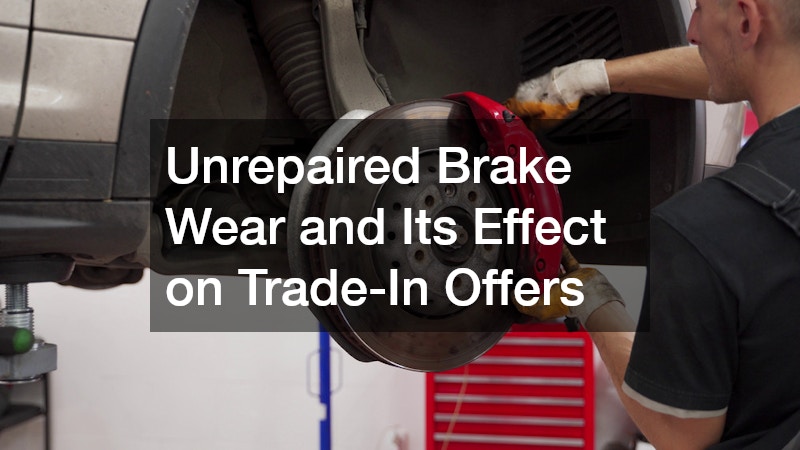
Brakes are one of the first things a used car inspector checks, and worn or improperly serviced brakes can knock hundreds of dollars off an appraisal. Most inspection checklists measure remaining pad thickness, rotor condition, and brake fluid quality, and pads worn below 3mm or rotors that are scored, warped, or below minimum thickness typically trigger an automatic deduction rather than a judgment call. Depending on the vehicle, replacing pads and rotors on just one axle can run $150 to $400, and appraisers often subtract that estimated repair cost directly from their offer—sometimes padding it further to account for labor and shop markup. Squeaking, grinding, or a soft pedal are signs that a car has been neglected, and that impression carries over to how buyers judge the rest of the vehicle’s maintenance history. A soft or spongy pedal in particular raises red flags about the brake lines or master cylinder, which suggests a more expensive fix than a routine pad swap. These symptoms are also easy for even a casual buyer to notice during a test drive, meaning the damage to your negotiating position happens before a mechanic ever gets involved. A dealer or private buyer who notices warped rotors or thin pads will often assume other maintenance has been skipped too, which compounds the discount they ask for. Because brake service is considered basic upkeep, neglecting it signals to buyers that oil changes, fluid flushes, and belt replacements may have been skipped as well. That assumption often leads to a broader, more conservative offer across the entire vehicle rather than a discount limited to the brake system itself.
Staying current on brake repair is one of the cheapest ways to protect resale value relative to the cost of the fix. Replacing worn pads and rotors typically runs $150 to $400 per axle, depending on the vehicle, while a full brake service rarely exceeds a few hundred dollars total. That cost looks minor compared to what happens during a pre-purchase inspection. Dealers and private buyers routinely use worn brakes as leverage, citing “safety concerns” to justify offers that are $500 to $1,000 lower than the car’s actual condition warrants. Trade-in appraisers are trained to flag thin pads, scored rotors, or soft pedal feel as red flags that suggest deferred maintenance across the board. Beyond the direct deduction, unrepaired brake wear signals neglect to anyone evaluating the vehicle. Buyers reasonably assume that if brakes were ignored, other maintenance items like fluid changes or belt replacements were skipped too. That perception can shave value off the whole deal, not just the brake system, making a simple repair one of the highest-return investments before a sale or trade-in.
- Replace pads before they wear down to metal-on-metal contact, ideally once they hit 3mm thickness, since grinding noises signal rotor damage that’s far costlier to fix
- Keep receipts from every brake service, including rotor resurfacing or replacement, to show buyers a documented maintenance history
- Address any pulling, vibration, or soft brake pedal feel immediately, since these often signal deeper rotor warping, caliper sticking, or brake line issues
- Have brakes inspected by a mechanic before listing a car for sale, not after an offer comes in, so you can price repairs into your asking price rather than negotiate from a weaker position
- Ask for a written inspection report noting pad thickness, rotor condition, and fluid quality, since this reassures buyers and can justify a higher trade-in offer
- Budget for brake service costs, typically $150 to $300 per axle for pads, more if rotors need replacing, as unresolved wear can knock hundreds off a dealer’s appraisal
Frame and Panel Damage From Prior Collisions

A car that has been in a collision is not automatically a bad buy, but poorly executed repairs are what actually destroy resale value. Mismatched paint, uneven panel gaps, or overspray in the wheel wells are red flags that trained buyers and appraisers look for immediately. Even when the damage was cosmetic, a rushed job at a low-quality shop can leave alignment issues that surface months later. The real value killer, though, is structural damage that gets papered over instead of properly repaired. A bent frame rail, a shifted subframe, or a poorly welded unibody section can compromise crash safety even if the car drives fine day to day. Appraisers use tools like a tram gauge or laser measuring system to check factory tolerances, and deviations of even a few millimeters can flag a vehicle as having frame damage on a title report. Panel gaps tell their own story. Factory specs typically run between 3mm and 5mm and stay consistent all the way around the car; gaps that widen or narrow from one corner to the next usually mean a panel was reinstalled after a collision. Paint depth gauges reveal the same history, since factory clear coat sits within a narrow thickness range while filler-heavy bodywork reads noticeably thicker. These issues compound at resale because branded-title and frame-damage disclosures can cut a vehicle’s value by 20% to 40%, regardless of how well the repair actually performed. Buyers assume the worst once they see “structural damage” on a CARFAX report, and many lenders hesitate to finance cars with that history. A clean repair from a certified shop using OEM parts can minimize the hit, but it rarely erases it entirely.
Frame and panel damage from prior collisions ranks among the most value-destroying issues a used car can carry, even when the repair looks flawless to the naked eye. A frame that’s been pulled back into shape rather than replaced can throw off alignment permanently, causing uneven tire wear and handling quirks that surface months later. Buyers who spot evidence of structural repair — mismatched panel gaps, overspray, or welds that don’t match factory patterns — will often assume the worst and either walk away or demand thousands off the asking price. Quality auto collision repair restores a vehicle to factory specifications, which matters enormously when the car is later run through a vehicle history check or inspected by a buyer’s mechanic. Shops using computerized measuring systems can verify that frame dimensions fall within a few millimeters of factory tolerances, and that data is worth requesting even if it costs a bit more upfront. Choosing a shop that documents its work with before and after photos, parts receipts, and detailed invoices gives sellers something concrete to show skeptical buyers. This paperwork should ideally note whether OEM or aftermarket parts were used, since OEM parts typically reassure buyers and appraisers more than generic replacements. That documentation can be the difference between a fair offer and a lowball one, and in some cases it’s the only thing that keeps a “clean” title from being reclassified as a diminished-value vehicle in a future sale.
- Ask for OEM parts documentation when repairs are made, since aftermarket panels or bumpers can lower resale value and raise buyer red flags
- Check for a certificate of frame straightening if the vehicle had structural damage, as unresolved frame issues affect safety and long-term value
- Request a printed estimate and final invoice for your records, and compare the two to confirm no cut corners or substituted parts
- Look up the vehicle’s title status, since “salvage” or “rebuilt” titles can slash resale value by 20-40% regardless of repair quality
- Have a second shop inspect major collision repairs before you sell, ideally one with access to paint depth gauges and frame measurement tools
- Save all repair paperwork in one file to hand off to buyers, since documented, transparent repairs reassure buyers more than a clean-looking exterior alone
Rust, Corrosion, and Structural Weak Points
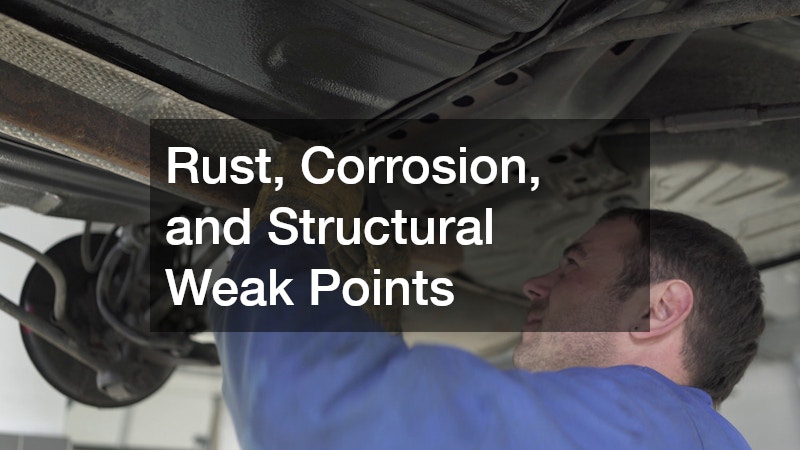
Rust is one of the most value-destroying issues a used vehicle can have because it often signals problems that go beyond what is visible on the surface. Surface rust on a bumper or wheel well is usually a cosmetic fix costing a few hundred dollars, but rust that has crept into the frame rails, subframe, or rocker panels can compromise structural integrity and scare off buyers entirely. Once corrosion reaches load-bearing components, repair costs can climb into the thousands, and many mechanics will simply advise against sinking money into a vehicle at that stage. Vehicles from regions with heavy road salt use, like the Rust Belt and Northeast, are especially prone to this, often showing serious corrosion by year eight or nine even with regular washing. Coastal areas present a similar risk due to salt air, even without winter road treatments. Savvy buyers know to check the undercarriage before making an offer, looking specifically at suspension mounting points, brake lines, and exhaust hangers rather than just the visible frame surface. A vehicle’s history in these regions can quietly erode its resale value long before rust becomes visible on the exterior. Two identical model-year cars can carry a $2,000–$3,000 valuation gap simply based on where they spent most of their life. Buyers pulling vehicle history reports or asking about prior registration states can catch this risk early, saving themselves from a structural surprise down the road.
Rust rarely stays a cosmetic issue for long. What starts as a bubble in the paint along a wheel well or rocker panel can spread beneath the surface, eating into structural components like frame rails, floor pans, and suspension mounts. Once corrosion reaches those areas, appraisers and buyers alike treat the vehicle as a liability rather than an investment, and repair costs can easily climb into the thousands. Catching corrosion early and having it addressed at a reputable auto body shop keeps small problems from becoming disqualifying ones. A qualified technician can distinguish between surface rust that needs light sanding and sealing versus penetrating rust that requires panel replacement, which makes routine inspections worth the time. Undercoating and regular washes during winter months are inexpensive habits that pay off significantly at resale time. Rinsing away road salt, especially from the undercarriage and wheel wells, prevents the kind of prolonged exposure that accelerates metal breakdown. Owners in coastal or high-humidity regions should factor in extra vigilance, since salt air and moisture create similar risks year-round. A few hundred dollars spent now on rust prevention or early repair can protect thousands in resale value later.
- Inspect wheel wells, rocker panels, trunk floor, and door bottoms for bubbling paint, flaking, or a rough “orange peel” texture that signals rust forming underneath
- Check less obvious spots too — subframe, spare tire well, and seatbelt anchor points — since rust there hints at structural issues appraisers flag immediately
- Wash the undercarriage every 2-4 weeks in winter if you live in a salt-belt climate, focusing on wheel arches where road salt and slush accumulate
- Consider an annual rust-proofing or oil-spray undercoating treatment, especially for vehicles over five years old
- Treat surface rust immediately with a wire brush, rust converter, and touch-up paint before it spreads to structural components
- Get any rust near frame rails or load-bearing panels professionally assessed — what looks minor can compromise crash safety and tank resale value
Water Damage and Flood History
Flood-damaged vehicles are notoriously difficult to detect after a cosmetic cleanup, but the effects on resale value are severe once discovered. Musty odors, water stains under the carpet, corroded electrical connectors, or fogged-up interior lights are all telltale signs that a car has taken on water at some point. Buyers who find any of these clues after purchase often demand a refund or file complaints, which is why transparency upfront matters so much.
If your vehicle has ever suffered flood or storm damage, get it professionally inspected before listing it for sale rather than hoping no one notices. A documented, honest repair history from a trusted auto repair in your area builds far more buyer confidence than silence ever will.
- Check under seats and in the trunk spare tire well for water lines
- Test all electrical components, including power windows and infotainment
- Disclose any known flood exposure to avoid legal and financial repercussions later
Marine Vessel Repairs That Mirror Automotive Value Loss
Boat owners face many of the same resale pitfalls as car owners, since hull damage, engine neglect, and water intrusion can all quietly erode a vessel’s value the same way rust or collision damage does for a car. A reputable boat repair shop can document hull repairs, replace worn fittings, and catch small leaks before they become expensive structural problems. Just like with automobiles, buyers of used boats increasingly ask for maintenance records and inspection reports before committing to a purchase.
Owners who keep detailed service logs and invest in proper repairs when problems are small tend to recoup much more of their investment when it comes time to sell. Skipping routine maintenance to save money upfront almost always costs more at resale.
RV and Motorhome Systems That Buyers Scrutinize Closely
Recreational vehicles carry their own set of hidden value killers, particularly around plumbing, roof seals, and electrical systems. Water intrusion through a cracked roof seam can rot flooring and wall structures long before it becomes visible, and buyers who spot soft spots in the floor will walk away from a deal immediately. Hitch and frame stress from improper RV towing can also compound these problems, loosening seals and fasteners in ways that accelerate leaks and structural wear. Electrical upgrades have also become a selling point, and a professionally done RV solar installation can actually add resale value when it is installed cleanly and documented with proper wiring diagrams.
Getting an RV inspected annually, especially around seams, seals, and undercarriage components, prevents small leaks from becoming five-figure repair bills. Buyers researching used RVs often specifically search for units with updated solar and battery systems, so quality installation work is rarely wasted money.
- Reseal roof seams every one to two years regardless of visible wear
- Inspect for soft flooring near windows, doors, and slide-outs
- Keep documentation for any solar, battery, or electrical upgrades
Emergency Recovery Situations That Can Cause Additional Damage
How a vehicle is recovered after a breakdown or accident can actually introduce new damage if it is not handled correctly. Improper towing techniques, using the wrong equipment, or dragging a vehicle with a locked axle can cause transmission or drivetrain damage that was not present before the recovery. Choosing an experienced tow truck operator matters just as much as choosing a good repair shop, since careless handling during recovery can turn a simple breakdown into a much costlier repair.
When you need a tow truck service, ask whether the operator has the correct equipment for your specific vehicle type, whether it is a sedan, an all-wheel-drive SUV, or a heavier truck. Vehicles with low ground clearance or aftermarket modifications often require special attachment points to avoid scraping or bending body panels during pickup. Using the wrong service can cause frame damage or suspension issues that surface as expensive problems down the road.
- Confirm weight ratings and equipment compatibility before a tow begins
- Ask whether flatbed or wheel-lift towing is appropriate for your vehicle
- Request that a mobile mechanic assess drivable status before towing when possible
Cosmetic Wraps and Aftermarket Modifications

Not all hidden costs come from damage; some come from modifications that were not properly removed or maintained. Vehicles that previously had commercial branding, such as van wraps used for business advertising, can suffer paint damage underneath if the wrap is removed incorrectly or left on too long. UV exposure trapped under vinyl can cause the clear coat to degrade unevenly, leaving a blotchy finish that only becomes visible once the wrap comes off.
If you are selling a vehicle that previously carried a wrap for business use, have a professional inspect and correct the paint before listing it. Buyers who see patchy paint or faded panels next to newer-looking ones will assume the worst about the car’s history, even if the underlying mechanical condition is fine.
- Have wraps professionally removed rather than peeling them off yourself
- Inspect clear coat condition immediately after wrap removal
- Consider a paint correction service if fading or blotching is visible
Hidden damage rarely announces itself, which is exactly why it does so much damage to resale value when buyers eventually find it. The good news is that most of these issues are preventable or fixable when caught early, whether that means staying current on maintenance, choosing reputable repair shops, or simply keeping thorough documentation. Before you list any vehicle for sale, take the time to have it inspected honestly rather than hoping problems go unnoticed. That small investment of time and money upfront almost always pays for itself when the offers start coming in.