 Auto Trader California
A motor vehicle collision creates immediate stress, confusion, and overwhelming anxiety for drivers and passengers alike. In those crucial minutes following an impact, clear and deliberate action saves lives, preserves physical evidence, and protects critical financial interests over the long term. Drivers should first check themselves and their passengers for injuries, call emergency medical services immediately, and move to safe ground away from oncoming traffic if the vehicle remains operational. Once physical safety is confirmed, documenting the crash scene thoroughly becomes the top priority for everyone involved. Taking clear, high-resolution photographs of vehicle positions, road surface conditions, weather factors, skid marks, traffic signals, street signs, and property damage provides invaluable proof later during formal police inquiries and insurance claim reviews. Exchanging complete information with all involved parties is equally essential, including full legal names, phone numbers, policy numbers, insurance carrier details, driver’s license numbers, and vehicle license plates.
During this initial chaotic phase, managing vehicle transport safely and efficiently is crucial for everyone involved in the incident. If a vehicle cannot be driven safely due to frame displacement, fluid leaks, structural compromise, or deployed airbags, arranging professional towing becomes necessary to clear the busy roadway and move the vehicle to a secure storage site or certified collision repair facility. Drivers should carefully verify the destination and fee structure with the tow operator before signing any movement authorization forms or releasing custody of the car. Shortly after securing safe transport, notifying an auto car insurance carrier opens the official claim file. Prompt communication prevents unwanted delays in damage assessment and ensures that emergency roadside service costs and initial storage fees are recorded correctly from day one.
Managing the aftermath of a crash establishes a solid foundation for every claim that follows.
Securing Emergency Scene Safety and Transport Documentation
Securing a crash scene requires systematic documentation to prevent future legal or financial disputes between involved drivers, property owners, and insurance providers. Drivers should record the exact time of the incident, weather conditions, ambient lighting, road hazards, and any visible traffic control signals or street signage. Independent observers or eyewitnesses present at the scene can offer objective statements regarding what transpired, so collecting their full names, phone numbers, and email addresses before they depart the area is highly advantageous for building an accurate official record. Unscrupulous transport companies sometimes attempt unauthorized vehicle removals at chaotic accident sites, so vehicle owners must insist on receiving a fully itemized invoice and formal destination receipt before allowing any movement of their valuable automobile.
When a collision causes major structural or physical damage, the vehicle must be evaluated by qualified specialists capable of performing complex car body repairs to restore true crashworthiness and original occupant protection systems. Improper structural realignments or rushed panel replacements can severely compromise a vehicle’s structural integrity and its natural ability to absorb kinetic energy safely in future impacts. Furthermore, when serious personal injuries occur or when liability is contested by other motorists, consulting a knowledgeable car accident lawyer early in the post-crash process helps safeguard fundamental legal rights. Legal professionals can immediately request nearby traffic camera footage, secure physical vehicle evidence, interview key witnesses, and prevent pushy insurance adjusters from coaxing drivers into making recorded statements that might inadvertently undermine their legitimate compensation claims.
Detailed records create an undeniable paper trail that holds insurance companies accountable.
Mechanical Safety Inspections and Underlying System Diagnostics
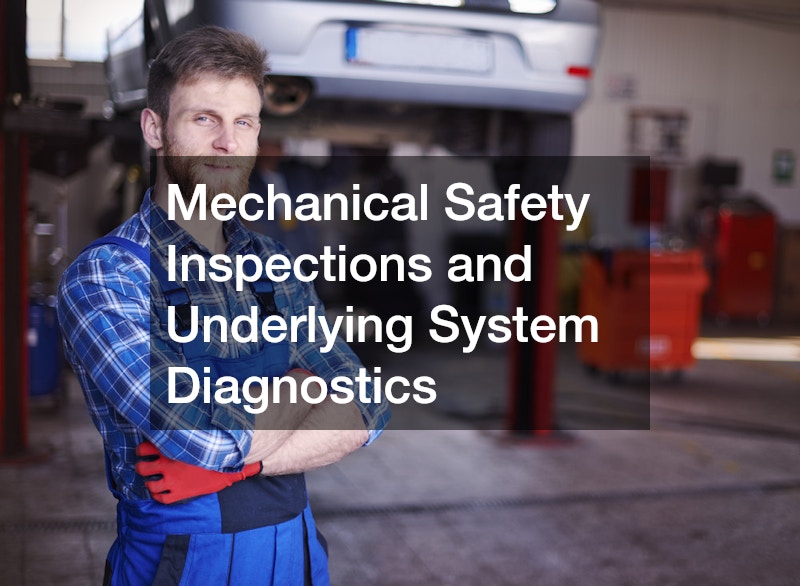
Visible damage to exterior body panels often overshadows severe internal mechanical issues caused by sudden impact forces and kinetic deceleration. Even low-speed collisions can misalign critical steering geometry, fracture suspension components, shatter rubber engine mounts, damage drivetrain components, or rupture vital hydraulic fluid lines. A thorough mechanical inspection must accompany every body repair estimate to guarantee that invisible hazards are identified and corrected before the automobile returns to public roadways. Ignoring comprehensive mechanical diagnostics can lead to catastrophic component failures miles down the road, putting vehicle occupants and other motorists at serious ongoing risk.
The braking system is particularly vulnerable to collision impact forces, severe sudden deceleration, and hydraulic pressure spikes during an accident. A comprehensive brake repair may be required to replace bent brake rotors, damaged calipers, cracked fluid lines, or faulty anti-lock braking system sensor wiring. Specialized computer diagnostics are also essential for modern European automobiles engineered with intricate electrical architecture and brand-specific safety protocols. For instance, conducting an authentic Volkswagon repair demands specialized diagnostic equipment, factory software updates, and specific technician certifications to recalibrate advanced driver assistance systems, lane detection sensors, blind spot radar units, and engine control modules back to precise original factory specifications.
Thorough diagnostics protect drivers from long-term safety hazards and hidden vehicle faults.
Structural Restorations and Precision Bodywork Standards
Restoring a severely damaged vehicle to its original pre-accident condition requires meticulous craftsmanship, advanced specialized equipment, and strict adherence to original manufacturer repair guidelines. Structural frame alignment machines use modern laser measurement technologies to detect subtle shifts and twists in the underlying unibody structure. Skilled collision technicians then carefully pull and reshape the metallic framework back within tight millimeter tolerances specified by the vehicle manufacturer. Skipping frame alignment or relying on crude structural pulling techniques severely compromises the overall safety, crashworthiness, and structural integrity of the modern automobile.
Once the underlying frame is verified straight, technicians proceed with precise auto body repairs that focus on outer sheet metal panels, structural pillars, bumpers, side doors, quarter panels, and body seams. Quality repair facilities emphasize original equipment manufacturer parts rather than cheap aftermarket imitations that may fit poorly, compromise safety crumple zones, or lack proper anti-corrosion coatings. Along with metal restoration and paint matching, technicians address secondary cosmetic components damaged during the crash. Reapplying protective window films through professional auto tinting services restores cabin thermal regulation, glare reduction, and occupant privacy while matching the original factory or customized appearance of undamaged windows.
Adhering to high repair standards ensures that every vehicle component offers maximum protection.
Preserving Custom Finishes and Specialized Vehicle Enhancements
Vehicles with aftermarket modifications, custom vinyl work, or specialized aesthetic applications require dedicated attention following an accident. Standard collision repair shops often overlook non-factory additions during initial damage estimates, leaving car owners with incomplete repairs or significant out-of-pocket expenses. Vehicle owners should maintain detailed records, installation receipts, and clear photo documentation of all custom work performed on their vehicles prior to any incident to ensure these specialized items are properly factored into the overall insurance claim valuation.
Custom exterior graphics and specialized vehicle wraps frequently suffer scuffs, tears, or total destruction during side collisions, scraping impacts, or fender benders. Replacing damaged vinyl sections requires precise color matching, material alignment, and expert application techniques to seamlessly blend new graphics with original existing material across adjacent panels. Because regular policy coverage limits may not automatically include expensive custom additions, obtaining experienced auto accident legal representation ensures that insurance claims encompass both standard mechanical repairs and all specialized cosmetic enhancements ruined in the crash.
Protecting aftermarket investments guarantees that settlements reflect true replacement value.
Navigating Claims and Adjuster Negotiations Efficiently
Dealing with insurance claims adjusters can be a complex, stressful, and demanding process for policyholders trying to recover from a recent crash. Adjusters work directly for insurance companies, and their primary professional duty is to manage corporate payouts and limit financial liability whenever possible. Drivers should remain polite but cautious when discussing crash details, providing only factual information without speculating on fault, vehicle speed, road conditions, or physical injury severity. Detailed documentation, including original police accident reports, scene photos, witness details, and itemized shop estimates, strengthens a driver’s position immensely during claim reviews.
Contesting lowball settlement offers requires clear evidence of pre-accident vehicle condition and accurate itemized repair costs from certified repair facilities. For example, policyholders should verify that their auto car insurance coverage accounts for reasonable storage charges, proper labor rates, and full reimbursement for emergency towing from the crash scene. If an adjuster insists on using reconditioned, used, or non-standard aftermarket parts, drivers have the legal right to request written explanations or seek independent second opinions from qualified technicians. Maintaining detailed logs of all phone conversations, emails, and written correspondence prevents adjusters from dropping essential claim items during ongoing negotiations.
Thorough documentation ensures policyholders receive every dollar of coverage owed.
Specialized Care for European and High-Performance Vehicles
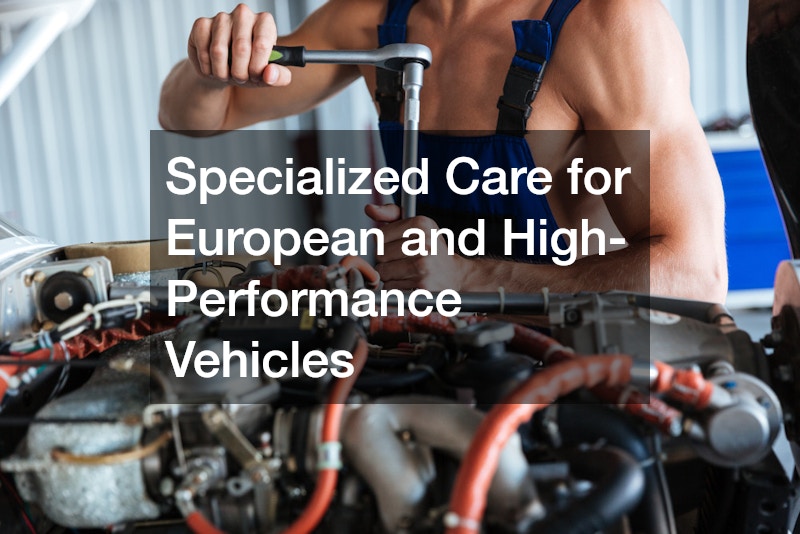
European vehicles require unique technical expertise due to their precise engineering standards, specialized metal alloys, and tightly integrated computer software platforms. Aluminum frame components, multi-link suspension systems, and complex electrical networks demand trained technicians who understand brand-specific repair standards and factory tolerances. Sending a premium European car to a generic collision shop without specialized diagnostic equipment often leads to incomplete repairs, unresolved dashboard error codes, misaligned sensors, and diminished overall vehicle performance over time.
Owners seeking proper Volkswagen repair must ensure the chosen facility utilizes factory-approved diagnostic tools, specialized aluminum welding equipment, and genuine OEM replacement parts. Proper software reflashing and electronic recalibration are frequently necessary after replacing electronic control modules, collision radar sensors, or electronic power steering components. High-standard car body repairs on these sophisticated vehicles also involve strict adherence to multi-stage paint application codes and specialized clear-coat formulations to preserve factory rust warranties and maintain maximum resale value over long-term ownership.
Certified repair expertise preserves driving dynamics and market resale value over time.
Critical Mechanical Safety Protocols Post-Collision
Ensuring complete vehicle safety after an accident requires rigorous testing of all critical mechanical sub-systems before handing keys back to the owner. Road testing a repaired vehicle under varied driving conditions helps uncover hidden issues such as steering wheel vibration, alignment drift, transmission hesitation, or unusual suspension noises. Mechanics must inspect exhaust systems, drive shafts, engine mounts, transmission linkages, and cooling radiators to confirm no secondary fractures or fluid leaks occurred during the initial collision impact.
Special attention must be paid to stopping power and emergency braking capability under heavy loads or panic stop conditions. Conducting a thorough brake repair includes inspecting pad wear, rotor runout, brake fluid boiling points, hydraulic master cylinders, and lines for microscopic leaks caused by severe crash forces. Combining these critical mechanical checks with high-quality auto body repairs guarantees that both structural safety and cosmetic appearance meet rigorous safety benchmarks. Drivers should never accept a vehicle back from a shop until every safety system passes comprehensive diagnostic testing.
Comprehensive road tests provide complete peace of mind before returning a vehicle to regular duty.
Restoring Aftermarket Upgrades and Custom Styling Elements
Aftermarket vehicle modifications give automobiles a distinct personal style, but restoring them after a collision requires specialized vendors, quality materials, and meticulous color balancing. Standard body shops may not have the in-house capabilities or environmental controls to handle intricate vinyl graphics work or precision window film installations. Therefore, active coordination between primary collision repair technicians and specialty customization shops is essential to achieve a seamless, pre-accident look across all vehicle panels.
Restoring damaged vinyl graphics or complete vehicle wraps demands clean room environments, precise heat application, and specialized adhesive primers to prevent bubbling, lifting, or premature peeling along panel edges. Similarly, replacing shattered glass panels requires high-grade auto tinting services to match tint shade percentages, UV protection levels, optical clarity, and heat rejection performance across all vehicle windows. Documenting these specialty restorations with clear receipts ensures full compliance with insurance requirements and preserves the total resale value of the vehicle.
Specialized customization technicians ensure that aesthetic upgrades meet high standards.
Securing Financial Recovery and Complete Legal Resolution
Finalizing the recovery process after a major collision involves resolving physical vehicle repair bills, medical expenses, lost wages, and potential long-term liability claims. Drivers should never sign final release forms or accept full liability settlements from insurance companies until all mechanical, cosmetic, and medical evaluations are completely finished. Premature settlements often leave accident victims financially responsible for hidden vehicle damage, lingering mechanical faults, uncalibrated electronic systems, or delayed medical complications that surface weeks later.
When insurance companies refuse to offer fair compensation for vehicle damage, proper shop labor rates, or personal injuries, hiring a skilled car accident lawyer provides the necessary leverage to negotiate effectively. Securing dedicated auto accident legal representation ensures that policy rights are vigorously protected, physical evidence is professionally presented, and all legal avenues are thoroughly explored. With proper guidance and systematic planning, drivers can successfully navigate the post-collision process, protect their financial future, and secure full recovery.
Taking a methodical approach guarantees that all mechanical and legal losses are fully addressed.