
 Auto Trader California
Before a single buyer walks around your car or scrolls past your listing photos, savvy shoppers already have a mental checklist of warning signs that scream “walk away.” Many sellers assume a clean exterior and a fresh wash are enough to seal the deal, but experienced buyers know exactly where to look for trouble. Catching these mechanical red flags yourself, before they catch you off guard during a test drive or inspection, can mean the difference between a smooth sale and a listing that lingers for months. This guide walks through the most common issues buyers notice first, so you can address them or price around them with confidence.
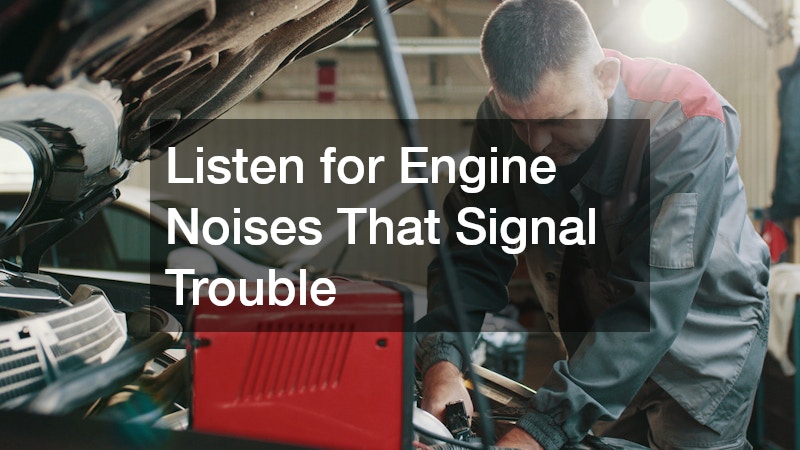
Listen for Engine Noises That Signal Trouble
A rough idle, ticking sound, or knocking noise under the hood is one of the fastest ways to scare off a serious buyer. These noises often point to worn valves, low oil pressure, or timing chain issues that can turn into expensive repairs down the road. Buyers who have been burned before will ask to hear the engine cold, since some problems only reveal themselves before the engine warms up. If you notice unusual sounds, it is worth getting a diagnosis before listing so you know exactly what you are dealing with.
Many sellers try to mask engine noise with a quick top-off of oil or a fresh coat of engine degreaser, but this rarely fools anyone who knows what to listen for. A trip to a shop that specializes in auto repair can help identify whether the noise is a minor fix, like a loose belt, or a sign of deeper internal wear. Getting ahead of this issue not only protects your asking price but also gives you talking points to reassure hesitant buyers.
- Knocking or pinging sounds during acceleration
- Ticking noises that speed up with engine RPM
- Whining sounds tied to belts or the power steering pump
- Rattling near the exhaust that suggests a loose heat shield
Inspect Fluid Leaks Under the Vehicle
Nothing raises suspicion faster than a puddle under the car or dark spots on the driveway. Buyers who pop the hood and see grime around the oil filler cap or a crusty residue near hose connections will immediately start negotiating the price down. Leaks can come from something as simple as a worn gasket or as serious as a failing transmission seal, so it pays to know the source before someone else points it out.
- Amber or black fluid pooling under the engine, often signaling an oil leak
- Pink or red fluid, which usually points to a transmission or power steering issue
- Green, orange, or pink puddles near the front, suggesting a coolant leak
- A sweet smell inside the cabin, which can indicate a heater core leak
Check Tire Wear Patterns for Alignment Clues
Buyers who know what they are doing will crouch down and run a hand across the tire tread before they even open the door. Uneven wear across the tire surface often points to alignment problems, worn suspension components, or a bent wheel, all of which suggest deferred maintenance. Cupping or feathering on the tread edges is another sign that shocks or struts may be nearing the end of their life. Addressing these issues ahead of time shows buyers the car has been cared for rather than neglected.
Tire wear also tells a story about how the vehicle was driven and maintained over the years. A car with tires worn unevenly on one side may have been sitting with a slow leak or misalignment for months without correction. Rotating and balancing tires regularly is a simple habit that prevents this red flag from ever appearing in the first place.
- Wear concentrated on the outer edges, often linked to underinflation
- Wear in the center only, which can mean overinflation
- One-sided wear, a classic sign of alignment trouble
- Choppy or cupped patterns, pointing to worn suspension parts
Test the Brakes for Grinding or Pulling
Brakes are one of the first things a buyer tests, and any hesitation, grinding, or pulling to one side during a stop will raise immediate concern. Worn brake pads, warped rotors, or a sticking caliper are common culprits, and none of them are difficult to diagnose with a proper inspection. A soft or spongy brake pedal can also suggest air in the lines or a failing master cylinder, both of which are serious enough to delay a sale entirely.
Buyers often bring a friend along specifically to listen for brake noise during a test drive, since it is one of the easiest problems to spot from the passenger seat. If you catch a grinding sound early, replacing pads and resurfacing rotors is typically far cheaper than losing a sale over safety concerns. Being upfront about recent brake work, supported by a receipt, also builds trust with a cautious buyer.
- Grinding noise when braking, often indicating worn-out pads
- Pulsing pedal feel, a sign of warped rotors
- Car pulling to one side, which can point to a stuck caliper
- Squealing that continues after new pads are installed, suggesting a deeper issue

Watch for Warning Lights and Dashboard Codes
A dashboard covered in warning lights is an instant deal breaker for most buyers, even if the issue behind the light is minor. Check engine lights, ABS warnings, and airtime bag indicators all suggest the car has not been properly maintained, whether that is true or not. Buyers will often plug in their own code reader before agreeing to a price, so hiding a lit warning light is rarely a successful strategy.
If you are unsure why a light is on, larger diesel trucks and heavy-duty vehicles can present unique challenges since their systems differ from standard gasoline engines. In these cases, calling a mobile diesel mechanic to diagnose the issue on-site can save time and help you understand exactly what a buyer will ask about later. Clearing a code without fixing the underlying problem almost always backfires, since the light will return within days.
- Check engine light staying on during a test drive
- ABS or traction control lights indicating sensor issues
- Battery or charging system warnings
- Airbag lights suggesting a sensor or wiring fault
Address Rust and Corrosion on Structural Components
Surface rust on a bumper is one thing, but corrosion on the frame, subframe, or suspension mounts is a red flag that experienced buyers take seriously. Rust in these areas can compromise the structural integrity of the vehicle and often signals it spent time in a region with heavy road salt or humidity. Buyers who get underneath the car with a flashlight are looking specifically for this, especially on vehicles over seven or eight years old.
If you suspect rust has moved beyond the surface, getting a professional opinion from one of the many auto repair shops in your area can clarify whether the damage is cosmetic or structural. Some corrosion can be treated and sealed, while more advanced cases may require frame repair or reinforcement. Knowing which category your vehicle falls into helps you set realistic expectations before a buyer’s inspection turns up surprises.
- Bubbling paint near wheel wells, often an early rust indicator
- Flaking metal on the undercarriage or frame rails
- Rust around exhaust hangers and mounting points
- Corrosion near battery terminals or electrical grounds
Spotting these mechanical red flags before a buyer does puts you back in control of the selling process, whether that means fixing the issue, pricing accordingly, or simply being ready to answer tough questions honestly. A little time spent inspecting your vehicle now can save you from awkward negotiations or a deal falling through at the last minute. Take an afternoon to walk through this checklist, get a professional opinion where needed, and list your car knowing exactly what story it tells.