 Auto Trader California
Buying a used car can feel like a gamble, especially when the seller insists everything is in perfect working order. Wheels and brakes are two of the most overlooked areas during a quick test drive, yet they can reveal a surprising amount about how a vehicle was actually treated. A curbed rim or a soft brake pedal might seem minor, but they can point to bigger problems lurking underneath. This guide walks you through exactly what to look for so you can negotiate with confidence or walk away before signing anything.
Examine the Wheels for Curb Damage and Bent Rims
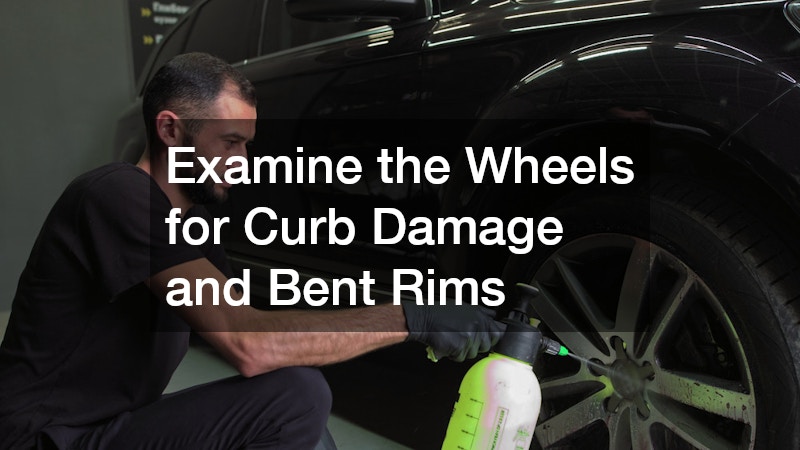
Start your inspection by walking slowly around each wheel and looking at the outer edge where it meets the tire. Curb damage often shows up as flat spots, gouges, or scraped paint along the rim lip, and it is one of the most common cosmetic issues on used vehicles. While a small scuff is usually harmless, deeper gouges can affect the tire seal and cause slow air leaks over time. Pay close attention to whether the damage looks superficial or if the metal itself appears bent or cracked.
If you notice damage that goes beyond the surface, ask the seller whether the wheel has ever been serviced or replaced. In many cases a shop offering rim repair can straighten minor bends and smooth out gouges, but severely cracked or warped wheels usually need full replacement. Knowing the difference helps you estimate whether this is a cosmetic negotiating point or a real safety concern that could affect your decision to buy.
- Run your fingers along the rim edge to feel for sharp burrs or uneven spots
- Compare all four wheels since mismatched wear can suggest a replacement after an accident
- Look for out-of-round wobble by watching the wheel spin during a test drive
- Check for slow leaks by noting if tire pressure warning lights appear repeatedly
Test the Brake Pedal for Softness and Sponginess
Before you even start the engine, press the brake pedal down firmly and hold it for several seconds. A healthy pedal should feel firm and hold steady, while a soft or sinking pedal often signals air in the brake lines, a failing master cylinder, or worn seals. This simple test takes only a few seconds but can reveal issues that are expensive to ignore once you own the car.
During the actual test drive, brake from a moderate speed and pay attention to how the car responds. If the pedal feels mushy, if you need to pump it to get resistance, or if the car pulls to one side while braking, these are all warning signs worth investigating further. A pre-purchase inspection at a qualified shop can confirm whether the issue is something simple or a sign of a more serious hydraulic problem.
- Listen for grinding or squealing noises when the brakes are applied
- Watch for any delay between pressing the pedal and the car actually slowing down
- Ask when the brake fluid was last flushed since old fluid absorbs moisture over time
- Feel for pulsation in the pedal, which can indicate warped rotors
Inspect Brake Rotors and Pads for Wear Patterns
Once you have checked pedal feel, get down and look at the brake components through the wheel spokes if possible. Rotors should appear smooth and free of deep grooves, while heavily scored or discolored rotors suggest the car was driven hard or braked on for too long without maintenance. Uneven wear between the front and rear brakes can also hint at a vehicle that was not serviced on a regular schedule.
Thin brake pads are an easy giveaway that costs are coming soon after purchase. If the pad material looks like it is down to a sliver, budget for brake repair shortly after buying, since this is not something to put off. Sellers sometimes replace pads right before listing a car to mask other issues, so ask for maintenance receipts to confirm when service was actually performed.
- Check pad thickness through the wheel if the hubcap or wheel design allows a clear view
- Look for rust colored dust buildup, which can mean pads have been worn unevenly
- Ask if rotors have ever been resurfaced or replaced
- Request service records showing recent brake work and dates
Look for Suspension and Alignment Issues Tied to Wheel Damage
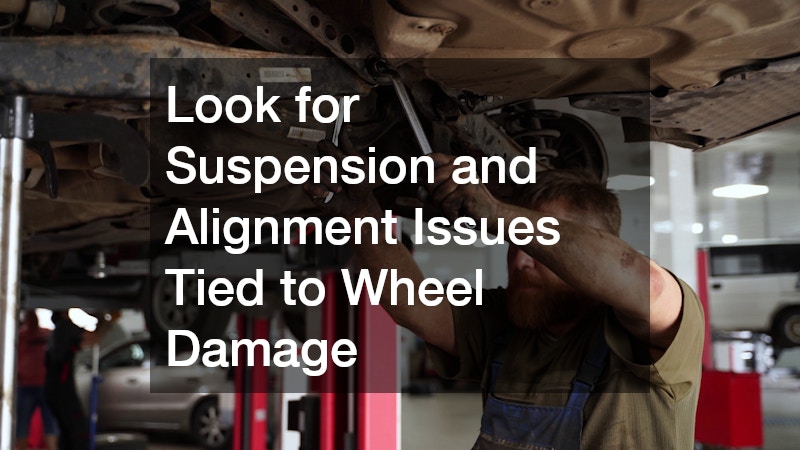
Curbed rims are rarely an isolated problem. The same impact that damages a wheel can also jolt the suspension components, tie rods, or steering linkage, especially if the hit was hard enough to bend metal. Take the car for a drive on a straight, empty road and let go of the wheel briefly to see if it pulls noticeably to one side.
Uneven tire wear is another clue that points back to the same root cause. If one tire looks more worn than the others, or if the car feels like it is fighting you slightly during turns, alignment issues may be present. These problems often go hand in hand with wheel damage, so treating them separately can mean missing the full picture of what the vehicle has been through.
- Check tire tread depth across the inside, middle, and outside edges for even wear
- Bounce each corner of the car and listen for clunking noises from worn suspension parts
- Ask if the car has ever hit a pothole hard enough to require an alignment
- Have a mechanic check tie rod ends and ball joints if you notice steering play
Verify Maintenance History With a Trusted Mechanic
A used car with a full paper trail is always easier to trust than one with vague or missing records. Ask the seller for maintenance logs, and if the car is a Honda, consider having it checked out by a honda auto repair specialist who knows the common wear points for that specific make. Brand specific knowledge can catch subtle issues that a general inspection might miss, particularly around brake systems and suspension components that vary by model year.
Even a thorough visual inspection cannot replace a professional look underneath the car on a lift. Spend the money on a pre-purchase inspection before finalizing any deal, since a few dollars spent now can save you from a costly surprise a few weeks after driving off the lot. This is especially true for vehicles with visible wheel damage or a brake pedal that did not feel quite right during your test drive.
- Request maintenance and repair receipts covering at least the last two years
- Ask specifically about brake fluid flushes, rotor replacements, and wheel alignments
- Have the car placed on a lift to inspect the undercarriage for hidden damage
- Get a written estimate for any repairs the inspection uncovers before negotiating price
Curbed rims and a soft brake pedal are not always deal breakers, but they are signals that deserve a closer look before you hand over any money. Taking the time to inspect wheels, test the brakes, and review maintenance records puts you in a much stronger position at the negotiating table. If anything feels uncertain, have a qualified mechanic examine the vehicle before you commit. A little diligence now can save you thousands in repairs and a lot of frustration down the road.