
 Auto Trader California
Buying or maintaining a vehicle rarely stops at the sticker price, and the gap between what you expect to pay and what actually leaves your wallet can be startling. Dealership fees, routine upkeep, and unexpected repairs all stack up quietly in the background while you focus on financing and features. This guide breaks down the hidden costs that catch drivers off guard, so you can budget realistically before you ever turn the key. Whether you are shopping for a new set of wheels or trying to keep your current one running, knowing what is coming helps you avoid financial surprises down the road.
Routine Maintenance Costs That Add Up Fast
Every vehicle needs ongoing attention, and the costs of basic upkeep are often underestimated when buyers focus only on the purchase price. Oil changes, fluid top-offs, and tire rotations seem minor individually, but scheduled over the life of a car they represent a real recurring expense. Many owners also forget that manufacturer-recommended service intervals get more frequent as mileage climbs, which means costs tend to rise rather than level off.
Finding reliable car mechanics who charge fairly and explain what your vehicle actually needs can save you hundreds of dollars a year. Skipping maintenance to save money upfront almost always backfires, since small issues left unaddressed tend to become expensive repairs later.
- Oil and filter changes every 3,000 to 7,500 miles depending on the vehicle
- Tire rotations and balancing roughly every 6,000 miles
- Cabin and engine air filter replacements once or twice a year
- Fluid flushes for coolant, brake fluid, and power steering on a set schedule
Brake Wear and Replacement Timing
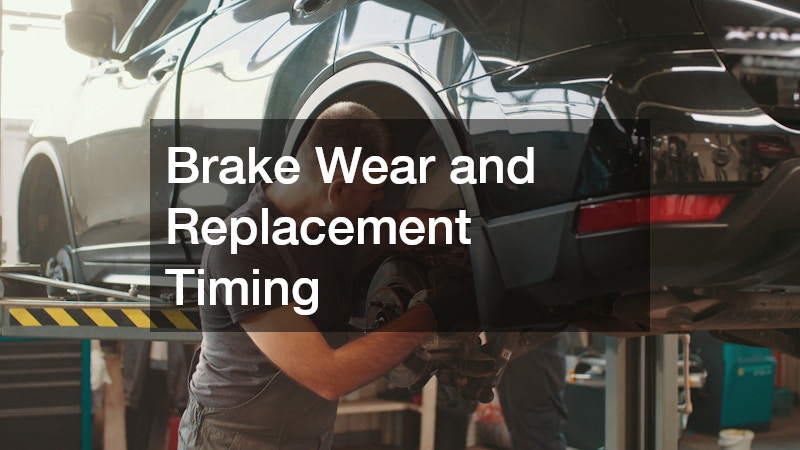
Brakes are one of the most predictable wear items on any vehicle, yet many new owners are surprised by how quickly pads and rotors need attention, especially with stop-and-go city driving. Ignoring a squeal or a soft pedal feel can turn a simple pad swap into a much costlier rotor or caliper replacement. Budgeting for auto brake service every 25,000 to 50,000 miles, depending on driving habits, keeps this expense predictable instead of sudden.
Warning signs are usually easy to catch if you pay attention during your daily commute. A grinding noise, a vibrating pedal, or a car that pulls to one side when braking all indicate it is time for an inspection.
- Squealing or grinding noises when braking
- A pedal that feels spongy or sinks closer to the floor
- Visible metal dust buildup on wheels
- Longer stopping distances than usual
Transmission Trouble Signs and Repair Budgeting
A failing transmission is one of the most expensive repairs a driver can face, and it rarely happens without warning signs first. Slipping gears, delayed acceleration, or unusual whining noises are early indicators that something needs professional attention before the problem worsens. Because transmission repair can range from a few hundred dollars for a fluid service to several thousand for a rebuild, catching issues early makes a significant financial difference.
Regular fluid checks are one of the cheapest ways to extend the life of this critical system. Many drivers never open their owner’s manual to see the recommended transmission fluid interval, which means they miss an easy opportunity to avoid a major repair bill later.
- Delayed or jerky gear shifts
- Burning smell coming from under the hood
- Fluid leaks that appear reddish or brown
- Dashboard warning lights related to the drivetrain
Wheel Alignment and Tire Longevity
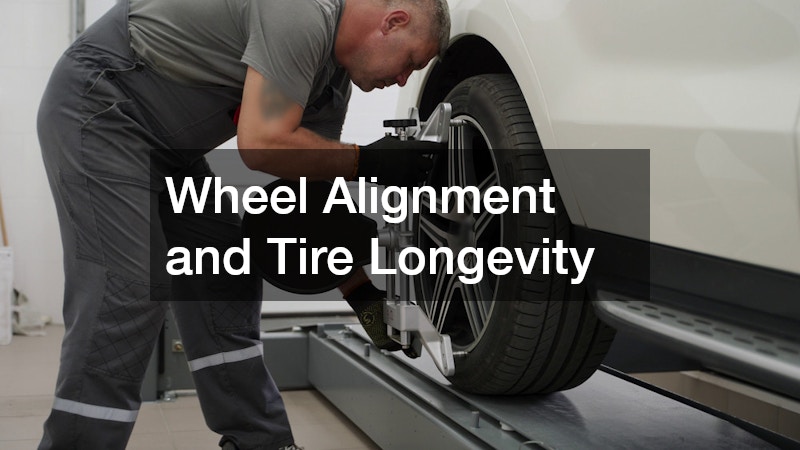
Poor alignment is a hidden cost that quietly drains money by wearing down tires faster than they should. A visit to a car alignment shop after hitting a pothole or curb can prevent uneven tread wear that would otherwise force an early tire replacement. Since a full set of tires can cost as much as a minor repair bill, catching alignment issues early is one of the more overlooked ways to protect your budget.
Drivers often notice the symptoms before they realize what is causing them. A car that pulls to one side, a steering wheel that sits crooked when driving straight, or tires wearing unevenly on one edge are all signs worth investigating.
- Uneven or rapid tire wear on one side
- Steering wheel off-center while driving straight
- Vehicle pulling left or right
- Vibration felt through the steering wheel
Air Conditioning Repairs in Extreme Weather
A weak or non-functioning air conditioning system might seem like a comfort issue rather than a mechanical one, but it can point to larger problems like a refrigerant leak or a failing compressor. auto AC repair costs vary widely depending on what part of the system has failed: a simple recharge might run $150 to $300, while a leak requiring dye testing and a seal replacement can add several hundred dollars more.
Once a compressor needs replacement, prices climb quickly, often landing anywhere from $800 to $1,500 depending on the vehicle and labor rates in your area. Other components like the condenser, expansion valve, or blower motor can each add their own repair costs if they’re contributing to the problem.
Drivers in hot climates especially should not ignore a system blowing warm air, since delaying repair can lead to more expensive damage. A small refrigerant leak left unaddressed can starve the compressor of lubrication, turning a minor fix into a full system replacement. Getting a diagnostic check at the first sign of weak airflow or inconsistent cooling is usually far cheaper than waiting until the system fails completely during a summer heat wave.
Getting ahead of the problem starts with recognizing early symptoms rather than waiting for full failure. A musty smell often points to mold growth on the evaporator core, weak airflow can signal a failing blower motor or clogged cabin filter, and a clicking noise when the system turns on may mean a worn compressor clutch. Any of these are worth having checked before summer heat makes the repair urgent.
Cost matters here too. A cabin air filter replacement might run $30 to $60, but a compressor replacement can climb to $500 or more once labor and refrigerant are factored in. Catching the issue at the filter or clutch stage instead of waiting for total compressor failure can mean the difference between a minor tune-up and a major repair bill.
Timing the inspection matters as much as spotting the symptoms. Getting the AC system checked in early spring, before the first heat wave hits, often costs less and avoids the backlog of emergency repairs that shops face once temperatures spike. Waiting until the system fails on a 95-degree day almost guarantees a rushed decision and a higher price tag.
Diesel and Heavy Duty Truck Ownership Expenses
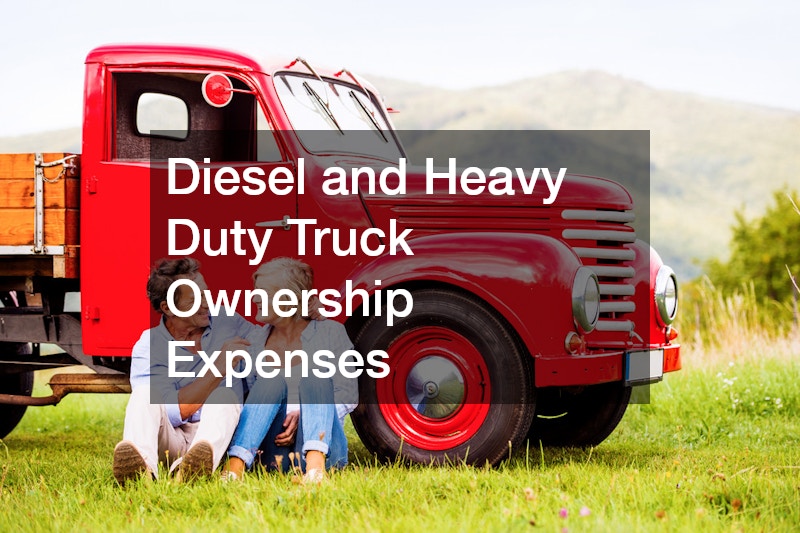
Owning a diesel truck comes with a different maintenance profile than a standard gasoline vehicle, and buyers moving up to a heavier truck for towing or work purposes should plan accordingly. Diesel truck repair often involves specialized parts and labor that cost more than comparable gas engine work, particularly for fuel injectors, turbochargers, and emissions systems. Because these trucks are frequently used for demanding jobs, wear on the drivetrain and suspension can also accelerate faster than expected.
Setting aside a larger repair reserve makes sense for anyone considering a diesel purchase, especially a used one with unknown maintenance history. Asking for service records before buying can reveal whether a truck has been properly cared for or is due for costly work soon.
- Emissions system components like DPF filters and SCR systems
- Turbocharger and fuel injector wear over high mileage
- Heavier-duty brake and suspension components
- Specialized diagnostic equipment required for repairs
Recreational Vehicle Upkeep on the Road
RV owners face a unique set of budget considerations that go beyond typical vehicle maintenance, since these rigs combine automotive systems with home-like amenities such as plumbing, electrical, and appliances. When something breaks down while traveling, calling for mobile RV repair can save the hassle of towing a large vehicle to a shop, though it often comes at a premium compared to scheduled service at a home base. Planning for these costs ahead of a road trip prevents an unexpected breakdown from derailing your budget entirely.
Preventive checks before a long trip are far cheaper than emergency repairs on the road. Inspecting tires, seals, and appliances before departure catches many issues while they are still simple fixes.
- Roof seal and seam inspections to prevent water damage
- Battery and electrical system checks before long trips
- Propane appliance servicing for safety and efficiency
- Tire pressure and wear checks given the added vehicle weight
Reliable Brand Ownership Costs Over Time

Choosing a vehicle known for reliability does not mean maintenance costs disappear, it simply means they tend to be more predictable. Owners who invest in toyota repair often find that parts availability and labor costs are more consistent than with less common brands, largely because of the sheer number of these vehicles on the road. This predictability makes long-term budgeting easier, even though routine services still need to be planned for.
Even reliable brands have model-specific quirks worth researching before you buy. Looking up common issues for the exact year and trim you are considering can help you anticipate repairs rather than being caught off guard.
Alternative Transportation Options for Local Use
Not every transportation need requires a full-size vehicle, and many homeowners are discovering that golf cart sales offer a practical, lower-cost option for neighborhood errands, retirement communities, or large properties. These vehicles come with their own maintenance needs, but the overall ownership cost is typically far lower than a standard car or truck. Buyers should still budget for batteries, tires, and occasional electrical work, since these are the most common wear items.
Considering how and where you will use the vehicle helps determine whether this is a smart addition to your household. For short trips around a community or property, the fuel and maintenance savings can be substantial over time.
Selling or Retiring an Aging Vehicle
At some point, continuing to repair an older vehicle no longer makes financial sense, and recognizing that moment is part of responsible budgeting. A common rule of thumb: if a single repair estimate exceeds 50% of the car’s current market value, or if you’re facing multiple repairs within the same year, it’s time to seriously weigh your options rather than reflexively paying for the fix.
When repair costs start approaching or exceeding what the vehicle is actually worth, exploring cash for junk cars options can provide a fast, straightforward way to recover some money while avoiding another expensive repair bill. These services typically pick up the vehicle within a day or two, require minimal paperwork, and pay based on weight and salvageable parts rather than cosmetic condition, so even a car that won’t pass inspection can still generate a few hundred dollars.
Before accepting an offer, it’s worth getting quotes from two or three junk car buyers, since prices can vary noticeably depending on current scrap metal rates and demand for specific parts. It’s also worth checking whether the vehicle has any resale value as a private-party sale to a mechanic or hobbyist, which sometimes nets more money than a junk car service, even if it takes longer to arrange.
This route also eliminates the ongoing costs of insuring, registering, and maintaining a vehicle that has become more liability than asset. Redirecting that monthly insurance premium and unpredictable repair budget toward a newer vehicle’s payment or a dedicated savings fund often makes more financial sense over a full year than squeezing another few months out of a failing car.
Getting multiple quotes before accepting an offer ensures you get fair value for your old vehicle. Reach out to at least three or four sources — a dealership offering trade-in credit, a private buyer, an online car-buying service, and a local junkyard — since offers can vary by hundreds of dollars depending on who’s asking and why they want it.
Even a car that no longer runs can still hold worth in usable parts and scrap metal, which buyers factor into their offers. A dead transmission or blown engine doesn’t necessarily make a car worthless; components like the catalytic converter, alternator, tires, and infotainment system often still have resale value, and scrap yards pay based on the vehicle’s weight in steel.
Before settling on a number, check your car’s estimated trade-in and private-party value through resources like Kelley Blue Book or Edmunds so you have a benchmark to compare offers against. It’s also worth factoring in what selling privately versus trading in will cost you in time, paperwork, and potential tax differences — trading in can sometimes lower the sales tax on your next purchase, even if the upfront offer looks smaller.
The true cost of vehicle ownership extends well beyond the price tag on the windshield, encompassing everything from routine maintenance to unexpected major repairs. By understanding these hidden expenses ahead of time, you can build a realistic budget that prevents financial stress down the road. Start by researching trusted local service providers, setting aside a maintenance reserve fund, and staying alert to early warning signs from your vehicle. Taking these steps now puts you in control of your automotive costs rather than being surprised by them later.