
 Auto Trader California
Seasonal off-road adventures demand more than enthusiasm and a full tank of fuel. Whether you’re heading into rocky trails, muddy backroads, desert terrain, or snowy forest paths, your vehicle becomes your lifeline. A small oversight in preparation can turn an exciting trip into a costly or even dangerous situation.
This guide walks through a complete, practical approach to getting your off-road vehicle ready for seasonal use. It focuses on mechanical reliability, protection from environmental damage, emergency planning, and long-term maintenance strategies. Each section is designed to give you actionable steps you can follow before your next adventure.
Engine Readiness for Demanding Terrain
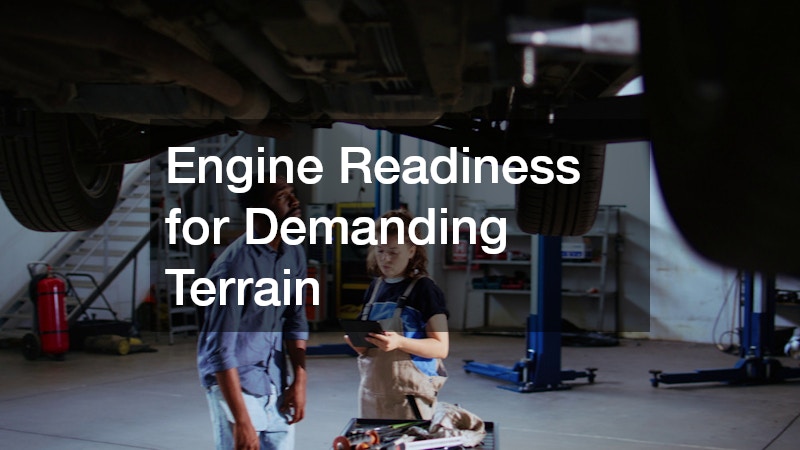
Off-road environments place extreme stress on your engine. Dust, moisture, steep inclines, and inconsistent traction all require your powertrain to operate at peak efficiency. One of the most overlooked components in this process is fuel delivery. Clean, properly functioning fuel injectors are essential for consistent combustion and throttle response, especially when navigating uneven terrain where power delivery must remain smooth and predictable. In off-road conditions, even small inconsistencies in fuel atomization can lead to noticeable torque drops, making it harder to climb steep grades or maintain steady momentum through soft sand or mud. Over time, contaminants from low-quality fuel or extended use in dusty environments can gradually reduce injector performance, even if the vehicle appears to run normally during short drives.
If fuel injectors become clogged or inefficient, you may notice symptoms like hesitation during acceleration, rough idling, or reduced fuel economy. These issues can quickly escalate when you’re far from service stations. Routine inspection and cleaning help ensure optimal performance before seasonal travel. In some cases, a professional fuel system flush may be necessary to restore proper spray patterns and pressure balance across all cylinders. Ignoring early warning signs can place additional strain on the engine, leading to increased heat buildup and accelerated wear on internal components.
Alongside fuel system health, general auto repairs should be addressed before hitting the trail. Even minor issues can turn into major failures under off-road conditions. Components that seem unrelated to engine performance, such as worn mounts or aging electrical connections, can still affect drivability when subjected to constant vibration and shock loading.
Key engine readiness steps include:
- Inspect and clean air filters to prevent dust buildup
- Check spark plugs for wear or fouling
- Flush and replace engine fluids if needed
- Test battery voltage and charging system
- Examine belts and hoses for cracks or dryness
- Confirm fuel system efficiency and responsiveness
Taking care of these systems ensures your vehicle performs reliably in unpredictable environments where mechanical failure is not an option.
Choosing the Right Off-Road Vehicle Setup
Selecting the right vehicle configuration is one of the most important decisions for seasonal adventurers. Not all off-road vehicles are built for the same conditions, so matching your setup to your intended terrain is critical. A vehicle that performs well in rocky mountain trails may struggle in deep sand, just as a lightweight dune setup may not handle heavy forest terrain or mud crossings effectively. Understanding these differences early helps you avoid expensive upgrades or performance limitations later.
An experienced ATV dealer can help you select models that align with your riding style, load requirements, and terrain challenges. Whether you’re navigating steep hills, sand dunes, or forest trails, professional insight helps you avoid costly mismatches in performance capability. They can also help you compare engine sizes, drivetrain configurations, and suspension systems to ensure the machine you choose can handle seasonal changes in ground conditions. In many cases, they can recommend accessories such as skid plates, winches, or upgraded tires that significantly improve durability and control.
For those who incorporate recreational travel into their adventures, RV services are crucial to ensuring their mobile living setup is ready for extended trips. Proper maintenance ensures comfort, reliability, and safety while traveling off-grid. This includes checking onboard electrical systems, water storage, heating and cooling units, and structural seals that protect against weather exposure. A well-maintained RV allows you to extend your range and stay self-sufficient in remote areas without sacrificing comfort or safety.
Consider the following when selecting or upgrading your setup:
- Engine power and torque suited for the terrain type
- Suspension travel and ground clearance
- Cargo capacity and towing capability
- Tire type and tread pattern
- Fuel efficiency for long-distance travel
- Comfort features for extended use
- Drivetrain configuration for traction control
- Weight distribution for stability on uneven ground
A well-matched vehicle setup reduces strain on components and enhances overall safety and enjoyment during seasonal trips.
Preparing Suspension, Tires, and Structural Integrity
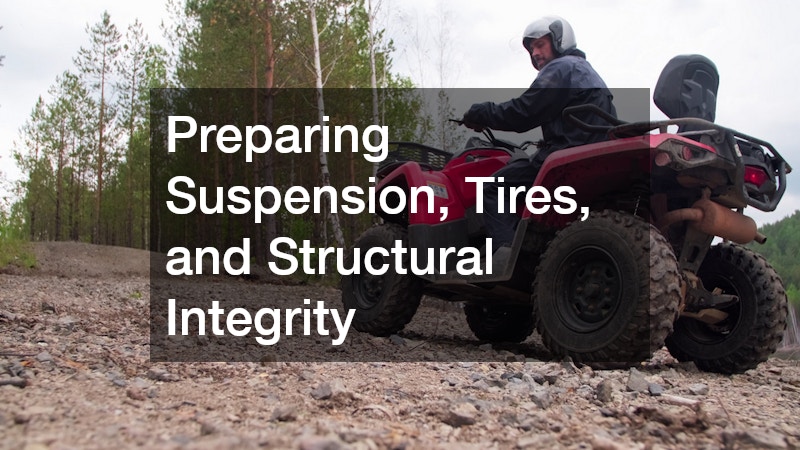
Your suspension system and structural components are constantly exposed to shocks, vibrations, and impacts during off-road travel. Unlike normal highway driving, off-road conditions force your vehicle to absorb repeated hits from rocks, ruts, roots, and sudden elevation changes. Over time, this constant stress can weaken components even if there is no immediately visible damage. Without proper maintenance, these systems can fail unexpectedly, leading to unsafe driving conditions and reduced control when you need stability the most.
Regular inspection at an auto body shop can help identify hidden damage such as bent frames, weakened joints, or misalignment. Even minor structural issues can significantly impact handling and stability on rough terrain. Professional technicians can also detect stress fractures or undercarriage damage that may not be obvious during a basic visual inspection. Addressing these issues early helps prevent uneven tire wear, steering drift, and long-term suspension failure that could compromise safety during seasonal trips.
In addition, if you experience mechanical issues while traveling, reliable towing services become essential. Off-road environments often make self-recovery difficult or unsafe, especially in remote areas where terrain conditions can worsen quickly. Deep mud, steep inclines, or loose gravel can trap vehicles in ways that standard recovery tools cannot easily resolve. Having a recovery plan in place ensures you can safely remove your vehicle from hazardous situations without causing additional damage.
Important checks for this section include:
- Inspect shocks and struts for leaks or damage
- Check tire pressure and adjust for terrain type
- Rotate tires to ensure even wear
- Examine the frame and undercarriage for impact damage
- Test steering responsiveness and alignment
- Inspect wheel bearings for wear or looseness
- Tighten suspension mounting points and hardware
- Carry emergency recovery equipment when traveling
- Verify spare tire condition and accessibility
Proper attention to these systems ensures your vehicle remains stable and controllable even in unpredictable conditions.
Protective Storage and Weatherproofing Solutions
When your off-road vehicle is not in use, proper storage is essential to protect it from environmental damage. Exposure to rain, snow, UV rays, and temperature fluctuations can degrade materials and shorten vehicle lifespan far faster than actual driving wear. Rubber components can dry out, metal surfaces can corrode, and electrical connections may weaken if a vehicle is left unprotected for long periods. Seasonal storage planning is just as important as pre-trip maintenance, especially for riders who only use their vehicles during certain times of the year.
Professional overhead door service solutions can improve garage accessibility and security, making it easier to safely store larger vehicles. A properly functioning overhead door system ensures that your storage space remains sealed against weather intrusion while still allowing smooth access for oversized off-road vehicles or trailers. Poorly fitted or malfunctioning doors can let in moisture, pests, and dust, all of which contribute to long-term deterioration of sensitive components. Enhancing insulation and sealing gaps also helps regulate internal temperatures, reducing stress on batteries and fluid systems.
In addition, working with a carport contractor can provide flexible outdoor protection for vehicles that cannot be stored indoors. A properly designed carport shields your vehicle from direct exposure while allowing ventilation to prevent condensation buildup. This balance is especially important for off-road vehicles, which often return covered in mud or moisture after use. Without airflow, trapped humidity can accelerate the formation of rust and mildew, particularly in enclosed covers that do not breathe well.
Best storage practices include:
- Wash and dry the vehicle thoroughly before storage
- Disconnect the battery or use a maintainer
- Cover tires to prevent UV cracking
- Stabilize fuel to prevent degradation
- Elevate tires slightly to avoid flat spots
- Store in a dry, temperature-controlled environment when possible
- Lubricate exposed metal parts to prevent corrosion
- Seal intake and exhaust openings to keep pests out
Proper storage reduces long-term maintenance costs and ensures your vehicle is ready when the next season begins.
Safety, Emergency Planning, and Legal Awareness
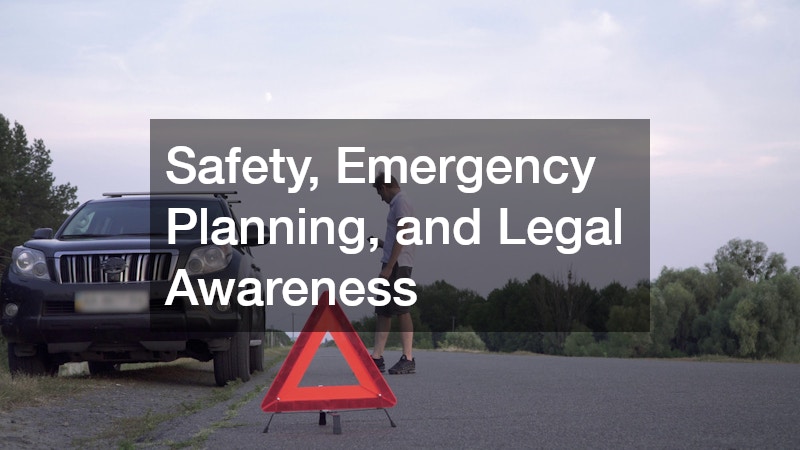
Off-road adventures often take place in remote areas where emergency assistance may be delayed. Preparing for unexpected situations is just as important as mechanical readiness.
Having access to towing services ensures you can recover your vehicle safely if it becomes stuck or disabled in difficult terrain. This is especially important in areas where self-recovery is not feasible due to environmental hazards.
In more serious situations involving accidents, consulting a car accident lawyer may become necessary to understand liability, insurance claims, and legal responsibilities. Off-road incidents can involve multiple parties, terrain-related hazards, or unclear fault conditions.
Essential safety preparations include:
- Carrying a fully stocked emergency kit
- Sharing your travel route with a trusted contact
- Keeping communication devices charged and protected
- Understanding local off-road regulations
- Carrying recovery straps and winches
- Knowing when to abandon a recovery attempt for safety
Being prepared for emergencies helps reduce risk and ensures faster resolution when problems occur.
RV and Long-Range Travel Preparation Tips
For many adventurers, off-road travel includes extended stays or mobile living. Ensuring your recreational vehicle is properly maintained is essential for comfort and safety.
Professional RV services help keep systems such as plumbing, electrical, and propulsion in working order. These systems are critical when traveling long distances or staying in remote locations.
One often overlooked component is the roof system. Scheduling RV roof services helps prevent leaks, water damage, and insulation issues that can compromise both safety and comfort during seasonal trips.
Key RV preparation steps include:
- Inspect seals and roof membranes for cracks
- Test electrical systems and backup power
- Check water tanks and filtration systems
- Service heating and cooling units
- Verify tire condition and load capacity
- Ensure waste management systems are functional
A well-maintained RV provides a stable and comfortable base for extended off-road adventures.
Final System Checks Before Hitting the Trail
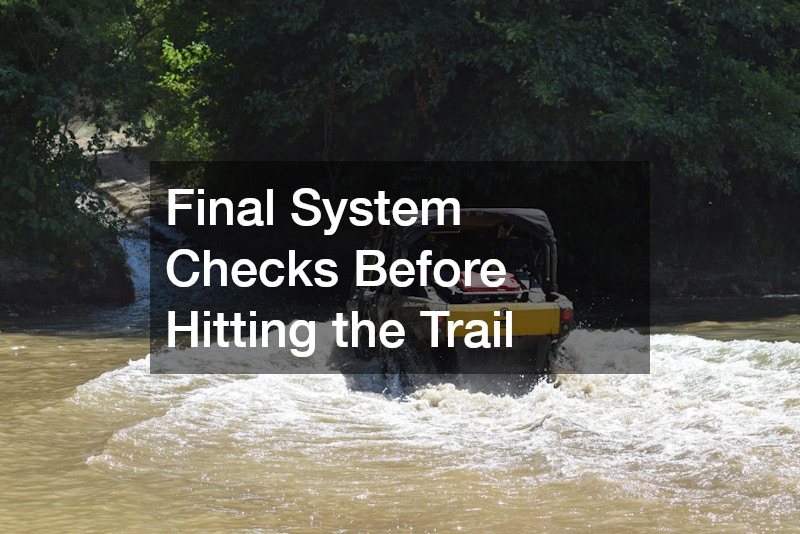
Before beginning any seasonal trip, a final system check ensures your vehicle is fully prepared for the demands ahead. Even after major maintenance, small overlooked issues can still cause problems in the field.
General auto repairs should be completed before departure if any warning signs are present. Addressing minor issues early prevents them from escalating under off-road stress.
Additionally, reviewing fuel system performance, including fuel injectors, ensures smooth acceleration and consistent engine output in challenging terrain.
Final pre-trip checklist:
- Confirm all fluid levels are topped off
- Test braking response under load
- Verify lighting and electrical systems
- Inspect tires one final time
- Check for leaks under the vehicle
- Run a short test drive under simulated conditions
This final inspection acts as your last line of defense against unexpected mechanical failure.
Maintenance Scheduling and Professional Support
Long-term off-road reliability depends heavily on consistent maintenance scheduling and access to trusted professionals. Attempting to manage everything independently can lead to missed issues or improper repairs.
Working with an experienced ATV dealer ensures your vehicle receives expert attention tailored to off-road conditions. These professionals understand the unique demands placed on seasonal vehicles and can recommend upgrades or preventive maintenance.
In addition, an auto body shop can provide structural inspections and repairs that go beyond surface-level damage. These services help maintain safety and performance over time, especially after heavy seasonal use.
To stay ahead of maintenance needs:
- Create a seasonal service calendar
- Schedule inspections before and after major trips
- Keep a record of repairs and upgrades
- Rotate service providers when necessary for specialized care
- Address small issues immediately before they escalate
- Invest in preventive maintenance rather than reactive repairs
A structured maintenance plan reduces downtime, improves safety, and extends your vehicle’s life.
Preparing an off-road vehicle for seasonal adventures is a comprehensive process that goes far beyond basic maintenance. It requires attention to mechanical systems, structural integrity, storage conditions, and emergency readiness.
By planning ahead and addressing each system methodically, you reduce the risk of breakdowns, improve safety, and enhance the overall trip experience. Seasonal adventures should be about exploration and enjoyment—not preventable mechanical problems.
With the right preparation, your vehicle becomes a dependable partner on every journey, no matter how challenging the terrain.