 Auto Trader California
Deciding to sell your vehicle is a significant financial step, whether you are upgrading to a larger family SUV, downsizing to an electric vehicle, or simply liquidating an extra asset. In a dynamic secondary market, sellers often face a critical dilemma: Should you list the vehicle in its current “as-is” condition to save time, or should you invest time and capital into taking it to a professional workshop for pre-sale repairs?
The temptation to skip pre-sale maintenance is understandable. Many private sellers assume that spending money on a car they are about to relinquish is an unnecessary loss of profit. They reason that the buyer can handle necessary maintenance or that discounting the asking price by a few hundred dollars will cover any flaws.
However, this logic overlooks the underlying psychology of the used car buyer. To a prospective buyer, any visible flaw, active warning light, or mechanical noise is not just a minor defect—it is a major red flag indicating potential systemic neglect. Unresolved issues trigger hesitation, invite aggressive low-ball offers, or cause buyers to walk away entirely.
Taking your vehicle in for pre-sale repairs is a strategic investment that consistently yields high returns. Resolving underlying mechanical issues, fixing cosmetic defects, and providing a clean bill of health transforms your car from a risky gamble into a desirable, turn-key product. This comprehensive guide details why pre-sale repairs are essential to maximizing resale value, accelerating the selling timeline, and protecting you against post-sale buyer disputes.
Protecting Resale Value and Neutralizing Buyer Negotiation Tactics

When a prospective buyer inspects a vehicle, they examine every detail through a critical lens. Their goal is to identify every minor imperfection and use it to drive the final price down. When you list a vehicle with known mechanical issues—such as an active Check Engine light, squealing brakes, or an fluid leak—you hand the buyer massive negotiating leverage.
Buyers rarely calculate the exact, fair cost of a repair when making a counteroffer. Instead, they apply a psychological “uncertainty penalty.” If a vehicle requires a minor sensor replacement that costs two hundred dollars at a local auto repair shop, an uneducated or savvy buyer will assume the worst—imagining major engine failure—and demand a one-thousand-dollar discount off your asking price. By failing to complete a two-hundred-dollar repair upfront, you forfeit eight hundred dollars in equity.
Taking your car in for a comprehensive pre-sale inspection before creating your online listing allows you to regain control of the narrative. A professional inspection identifies active trouble codes, hidden fluid leaks, and worn suspension components before a buyer ever sets foot on your driveway.
Addressing these issues beforehand allows you to list the vehicle at top market value with confidence. When a buyer points out a concern, you can present itemized repair receipts from certified local auto shops proving the system was thoroughly serviced and verified by professional technicians. This documentation effectively neutralizes aggressive low-ball tactics and keeps negotiations firmly grounded in your favor.
- Eliminate the buyer uncertainty penalty: Prevent buyers from overestimating minor repair costs to demand massive price reductions.
- Clear active dashboard warning lights: Fix underlying sensor or mechanical faults so the instrument cluster shows zero warning lights during test drives.
Restoring Exterior Finish, Panel Alignment, and Curb Appeal
First impressions dictate the emotional trajectory of a private vehicle sale. Within the first ten seconds of walking up to a car, a buyer subconsciously forms an opinion about how well the vehicle was cared for by its owner. A clean, straight exterior signals meticulous ownership, whereas dented panels, cracked glass, and scraped bumpers suggest reckless driving and deferred maintenance.
Cosmetic defects—even purely superficial ones that do not affect drivability—instantly lower a car’s perceived market value. A dented bumper cover or a deeply scratched fender indicates that the driver may have hit curbs or obstacles, leading buyers to wonder if the underlying suspension, steering alignment, or frame sustained unseen damage.
Taking your car in for professional exterior reconditioning pays massive dividends in photo appeal and in-person walkarounds. Scheduling a quick, professional bumper repair removes deep scuffs, cracks, or loose mounting clips that ruin listing photographs and make the vehicle look worn out.
Cosmetic panel repair and minor rust remediation performed at a professional auto body shop restore original clear-coat shine and body panel alignment. These updates dramatically improve curb appeal, allowing your listing to stand out against dozens of competing vehicles in local classifieds.
Furthermore, do not overlook glass integrity. A star-shaped chip or hairline crack in the windshield is an immediate turnoff that can cause a vehicle to fail mandatory municipal safety inspections. Scheduling prompt auto glass repairs fixes minor chips before they spider-web across the windshield, ensuring the glass is pristine and ready for transfer without safety delays.
- Eliminate visual red flags: Fix parking lot door dings, paint scuffs, and misaligned panels before shooting listing photographs.
- Restore plastic and painted bumpers: Repair scuffed or cracked bumper covers to give the front and rear profiles a fresh, undamaged look.
Optimizing Rolling Stock, Suspension, and Tire Conditions
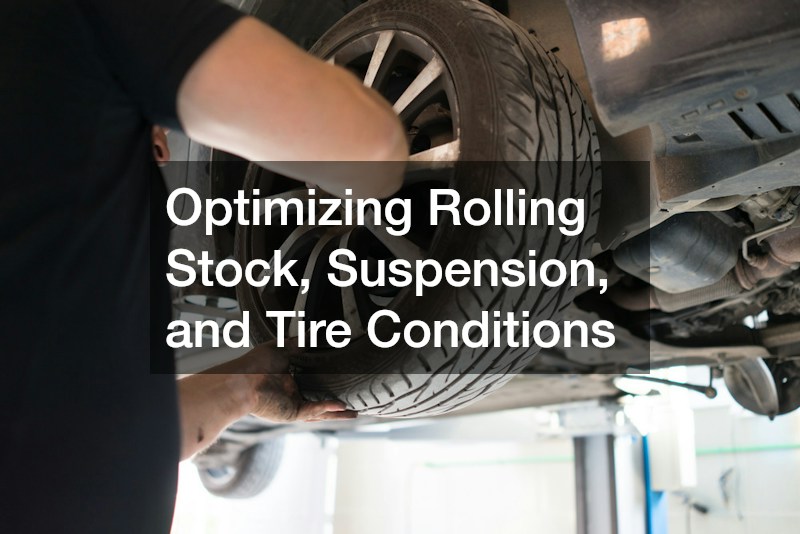
The way a vehicle handles during a ten-minute test drive heavily influences a buyer’s willingness to sign a bill of sale. A car that pulls to one side, vibrates at highway speeds, or emits loud thumping noises over bumps instantly creates a negative driving experience, making the buyer question the vehicle’s structural safety.
Tires and wheels are the primary contact point between the vehicle and the road, making them one of the first areas an experienced buyer inspects. Driving on severely worn, cupped, or dry-rotted tires is a major safety hazard that turns away safety-conscious buyers, particularly parents shopping for teenage drivers.
Scheduling professional tire services—such as wheel balancing, tire rotation, or installing a set of budget-friendly new tires—transforms the driving dynamics of your vehicle. Fresh, properly balanced tires deliver a quiet, smooth, and confident ride during the test drive, eliminating steering wheel vibrations that buyers often mistake for expensive transmission or driveline failures.
Do not ignore the aesthetic and functional condition of your wheel assemblies. Deeply scraped or curb-rashed wheels suggest poor parking habits and potential alignment issues.
Taking the time to repair, refinish, or polish damaged wheels removes unsightly blemishes and completes a polished exterior profile. When combined with fresh rubber, smooth-rolling wheels give buyers peace of mind that they will not need to spend extra money at a tire shop immediately after purchase.
- Verify tread depth and wear balance: Ensure tires have well above the minimum legal tread depth and show even wear across the contact patch.
- Eliminate steering wheel vibrations: Perform high-speed wheel balancing to ensure smooth, quiet cruising during highway test drives.
Upgrading Interior Cabin Features and Electronics
While exterior condition attracts buyers to your listing, the interior environment is where they spend their time during the walkthrough and test drive. A clean, smelling, and fully functional cabin creates a welcoming atmosphere that validates your asking price. Conversely, a cabin with non-functioning accessories, torn upholstery, or broken electronics feels neglected.
Modern buyers expect all interior comfort and convenience features to operate as intended. Power windows that stick in their tracks, air conditioning systems that blow lukewarm air, burnt-out instrument cluster bulbs, or broken heater controls immediately diminish the perceived value of the cabin.
Pay close attention to the vehicle’s entertainment and connectivity systems. In an era where drivers rely heavily on smartphone integration and clear hands-free audio, a dead or crackling factory stereo system is a noticeable drawback.
Resolving electrical glitches or upgrading a broken factory radio through a clean, professional car audio installation introduces modern Bluetooth connectivity, hands-free calling, or backup camera functionality. Adding these high-demand convenience features makes older vehicles significantly more attractive to younger buyers, giving your listing a distinct competitive edge over similar models on the market.
Additionally, invest time or resources into deep interior detailing. Thoroughly steam-clean carpet fibers, treat leather seats, eliminate lingering pet or smoke odors, and fix loose dashboard trim clips. A fresh, clean cabin reinforces the perception that the entire vehicle was maintained with care.
- Fix all power accessories: Repair sticky power windows, broken power lock actuators, and malfunctioning side mirror adjustments.
- Verify HVAC system temperature output: Recharge air conditioning refrigerant and verify heater core performance for immediate cabin comfort.
Sourcing Cost-Effective Replacement Components for High-ROI Fixes
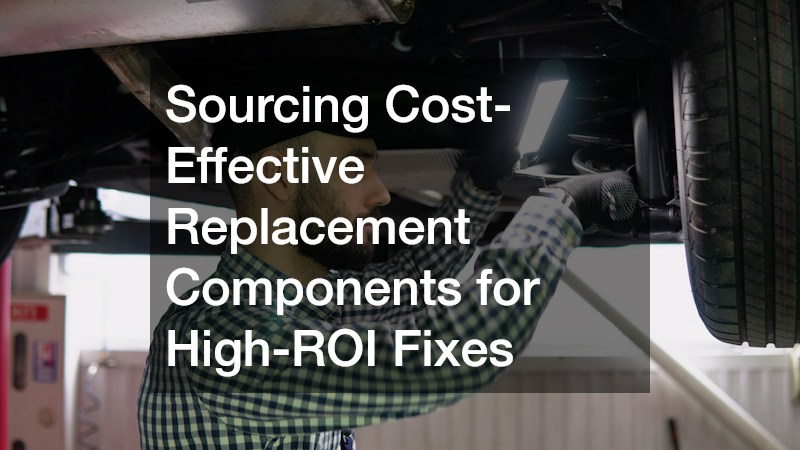
Executing pre-sale repairs requires strategic financial management. The objective is not to execute a complete ground-up restoration, but rather to perform high-ROI (Return on Investment) maintenance that recovers more money at the closing table than it costs to perform.
To maximize net profit, differentiate between essential high-impact repairs and unnecessary high-cost upgrades. High-impact repairs include replacing worn brake pads, installing a fresh battery, replacing burnt-out exterior bulbs, fixing fluid leaks, and replacing torn wiper blades. These low-cost maintenance items eliminate obvious red flags that buyers use to negotiate prices downward.
When preparing a vehicle for sale, manage material costs by sourcing high-quality, cost-effective components. Utilizing certified aftermarket auto parts for sale through reputable distribution channels allows you to complete necessary repairs using durable, reliable parts without paying inflated dealership markups.
Working with an independent mechanic who is willing to source quality aftermarket components or allow you to bring verified OEM parts to the shop keeps repair invoices low.
By keeping repair expenses low while resolving all mechanical flaws, you preserve your profit margin while presenting a fully functional, reliable vehicle that commands top dollar in your local market.
- Focus on high-ROI functional repairs: Prioritize fresh brakes, new batteries, clear lights, and leak repairs over expensive cosmetic overhauls.
- Source quality aftermarket replacement components: Locate certified aftermarket parts to resolve mechanical issues without paying high dealership prices.
Streamlining Transaction Speed and Protecting Post-Sale Liability
Beyond maximizing your sale price, taking your vehicle in for pre-sale repairs significantly speeds up the transaction timeline and protects you from post-sale legal friction. Selling a vehicle with unaddressed mechanical flaws frequently leads to aborted sales, extended listing times, and angry calls from buyers after the sale is finalized.
In many states and municipalities, vehicles must pass mandatory safety and emissions inspections before title transfers and registration can occur. If a buyer agrees to purchase your car but the vehicle fails its state smog or safety test due to an active Check Engine light, worn brakes, or a cracked windshield, the sale comes to an immediate halt.
The buyer may demand that you pay for emergency repairs at a shop of their choosing or cancel the contract entirely. Completing inspections and repairs prior to listing guarantees the vehicle passes all state requirements effortlessly, enabling a smooth, single-day title transfer.
Furthermore, pre-sale repairs provide vital legal protection. While most private used car sales are conducted on an “as-is” basis, selling a vehicle with hidden, unaddressed safety hazards—such as failing steering components or dangerous brake lines—can expose you to civil claims or legal disputes if the buyer experiences a severe accident shortly after purchase.
Organizing a complete, professional service history showing that all major systems were inspected, repaired, and verified by certified mechanics creates a clear paper trail. Providing this documentation to the buyer alongside a signed “as-is” bill of sale demonstrates full transparency, protecting you against claims of misrepresentation or fraud.
- Ensure instant compliance with state inspections: Complete emissions and safety testing prior to listing to guarantee smooth, fast title transfers.
- Eliminate deal-breaking final surprises: Prevent buyers from backing out at the last minute due to failed pre-purchase inspection reports.
Maximizing Profit Through Strategic Preparation

Selling a vehicle does not have to be a stressful process filled with uncomfortable price haggling and buyer skepticism. Taking the initiative to bring your car into a professional workshop for pre-sale repairs is the single most effective strategy for capturing maximum resale equity.
By eliminating active dashboard warning lights, fixing body and bumper blemishes, optimizing tire and wheel performance, restoring cabin electronics, and assembling a paper trail of professional maintenance receipts, you transform your car into a premium, turn-key offering.
The money and time you invest in pre-sale preparations are recovered through a higher final sale price, a faster transaction, and complete peace of mind once the title is signed over. Take control of your sale today: schedule a comprehensive pre-sale inspection, execute high-ROI repairs, and list your vehicle with complete confidence.