 Auto Trader California
A shudder that shakes through the cabin when you accelerate or shift gears is easy to dismiss, especially if it only happens once in a while. But that vibration is often your vehicle’s earliest warning sign of a mechanical problem that only gets more expensive the longer it’s ignored.
Learning to recognize where the shudder happens, when it happens, and what it feels like can help you figure out whether you’re dealing with a minor fix or a major repair. This guide breaks down the most common causes so you can make an informed decision before small trouble becomes a breakdown.

Identify When the Shudder Occurs During Driving
The timing of a shudder tells you more than almost any other clue. A vibration that appears specifically between 20 and 45 mph, right as the transmission shifts from second to third gear, points toward a torque converter or clutch issue rather than something related to the engine. If the shudder only shows up under heavy acceleration, that’s a different story than one that appears at a steady cruising speed.
Pay attention to whether the shudder correlates with gear changes you can feel or hear, such as a clunk or hesitation before the vibration starts. Keeping a simple log of when it happens, at what speed, and under what conditions gives you and any technician a much clearer starting point.
- Shudder during acceleration from a stop often points to engine or motor mount issues
- Shudder specifically during gear shifts suggests transmission-related causes
- Shudder at constant highway speed may indicate a driveline or tire problem
- Shudder only when cold points toward fluid viscosity or a failing solenoid
Distinguish Transmission Shudder from Engine Misfire
One of the most common mix-ups drivers make is confusing a transmission shudder with an engine misfire, since both can feel like a rhythmic shake through the seat or steering wheel. An engine misfire typically happens regardless of gear or speed and is often paired with a rough idle, a check engine light, or a noticeable loss of power. A transmission shudder, by contrast, tends to be tied closely to shifting or a specific speed range and usually smooths out once the gear change is complete.
If you’re unsure which system is to blame, a simple way to narrow it down is to note whether the shudder happens in park with the engine revved. If it does, the issue is almost certainly engine-related rather than coming from the transmission itself. This distinction matters because chasing the wrong system wastes time and money on repairs that won’t fix the actual problem.
Check Transmission Fluid Condition and Level
Transmission fluid does more than lubricate internal components; it also carries hydraulic pressure that controls shifting, so when it’s low, dirty, or burnt, shuddering is a common symptom. Fresh transmission fluid should be a clear reddish color with a faint sweet smell, while fluid that’s turned brown, black, or smells burnt signals internal wear or overheating. Checking the level and condition is one of the simplest diagnostic steps a driver can do at home before assuming the worst.
- A low fluid level can cause slipping, delayed engagement, and shuddering during shifts
- Dark or gritty fluid often means internal clutch material is breaking down
- A burnt smell suggests the transmission has been running hotter than it should
- Fluid that looks milky may indicate coolant is mixing in, a sign of a failing cooler line
Recognize Worn Motor Mounts and Driveline Components
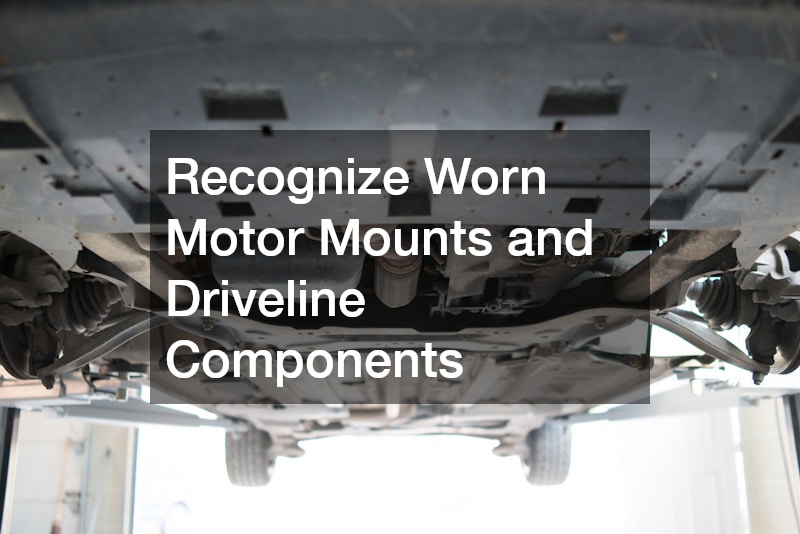
Not every shudder originates inside the transmission itself. Worn motor mounts or engine mounts can allow the powertrain to shift slightly under load, creating a shake that feels remarkably similar to a transmission problem, especially during acceleration or deceleration. Aging CV joints, a worn driveshaft, or unbalanced tires can also produce vibration patterns that mimic transmission trouble, which is why a broader inspection sometimes reveals a simpler and cheaper fix.
A qualified technician performing general auto repair will typically inspect these surrounding components before condemning the transmission, since replacing a transmission unnecessarily is a costly mistake. If your vehicle shudders more noticeably when turning or during hard braking, the culprit may actually be related to suspension or steering components rather than the drivetrain at all.
- Cracked or collapsed motor mounts allow excess engine movement
- Worn CV joints often cause clicking noises alongside vibration
- Unbalanced or cupped tires create shudder that changes with speed, not gear
- Bent wheels or worn suspension bushings can also produce similar symptoms
Understand Brake and Torque Converter Interactions
It’s easy to overlook how closely related braking and transmission performance can be, but a torque converter shudder is sometimes mistaken for a braking issue and vice versa. Warped rotors or worn pads can cause a pulsing sensation felt through the brake pedal and steering wheel, which some drivers confuse with a transmission shudder because both happen while the vehicle is slowing or under load. If you notice vibration specifically when applying the brakes, scheduling brake repair should be your first step rather than assuming the transmission is at fault.
A trained eye can usually tell the difference quickly by test driving the vehicle under controlled conditions, applying the brakes separately from accelerating or shifting. This kind of process of elimination prevents drivers from spending money on transmission diagnostics when the real issue is a warped rotor or sticking caliper.
- Vibration through the brake pedal usually points to rotor or caliper issues
- Vibration through the gear shifter or floorboard often points to the transmission
- Combined pulsing during braking and downshifting may involve both systems
- A test drive isolating braking from shifting helps confirm the true source
Decide When to Seek Professional Diagnosis
Once you’ve ruled out obvious culprits like tire wear or low fluid, persistent shuddering deserves a professional look before it turns into a larger failure. Modern vehicles store diagnostic trouble codes even for issues that haven’t triggered a warning light yet, and a shop equipped to read transmission-specific codes can often pinpoint the problem in under an hour. Seeking out the best transmission repair shop in your area, rather than the closest or cheapest option, can make the difference between a simple solenoid replacement and a full rebuild down the road.
Ask any shop you’re considering about their experience with your specific make and model, since transmission designs vary widely between manufacturers. A reputable shop will walk you through their findings, show you the diagnostic data, and explain your options before recommending an expensive repair.
- Ask whether the shop specializes in transmissions or handles them as general work
- Request a written estimate before authorizing any diagnostic teardown
- Find out if the diagnosis includes a road test under load
- Confirm whether they offer a warranty on parts and labor
A shudder rarely fixes itself, and waiting to investigate one usually turns a manageable repair into a far costlier one. By paying attention to when the vibration happens, checking your fluid, and ruling out other systems like brakes and motor mounts, you’ll walk into any shop with a much clearer picture of what’s going on. From there, a qualified technician can confirm the cause and get you back on the road with confidence rather than guesswork.