 Auto Trader California
A decade ago, a routine car problem meant a quick trip to the shop and a manageable bill. Today, the same fix can cost twice as much, and the ripple effects are changing how people buy, maintain, and even think about their vehicles. Parts shortages, pricier technology, and inflation have all converged to make ownership costlier than most drivers expect. Understanding where these costs come from, and how to manage them, can help you make smarter decisions before you’re stuck with a surprise bill.
Why Parts and Labor Prices Keep Climbing
Modern vehicles are packed with sensors, cameras, and computer modules that make even minor fixes more complicated than they used to be. A bumper that once just needed a dent pulled out now might contain radar sensors or parking assist cameras that require recalibration after any work is done. Labor rates have also risen as technicians need more specialized training to handle these systems, and shops have to invest in expensive diagnostic equipment to keep up.
Supply chain disruptions over the past several years have made matters worse, with certain parts taking weeks instead of days to arrive. This has pushed some owners to delay repairs, which often leads to bigger problems down the road. Understanding this pricing shift is the first step toward budgeting realistically for vehicle upkeep.
- Advanced driver assistance systems add sensor calibration costs to routine repairs
- Specialized labor now commands higher hourly rates in most regions
- Parts delays can stretch simple jobs into multi-week repairs
- Inflation has touched everything from steel to electronic components
The Rising Price of Everyday Maintenance
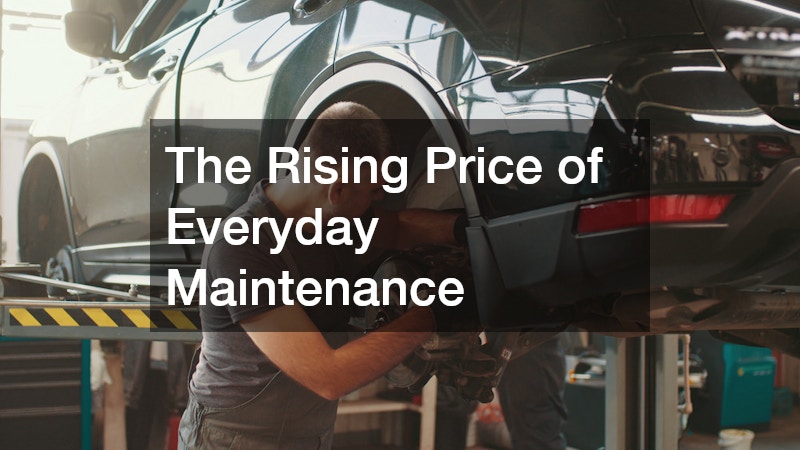
Routine maintenance items that once felt like an afterthought now carry noticeably higher price tags. Brake repair is a good example, since modern brake systems often include sensors and specialized pads that cost more than the basic components used in older vehicles. Rotors, calipers, and fluid flushes have all crept up in price, and many drivers are surprised when a routine brake job costs several hundred dollars more than they remember paying in the past. Oil changes tell a similar story. Many newer engines require full synthetic oil rather than conventional blends, which can push a simple service from around $30 to $80 or more depending on the vehicle. Add in cabin air filters, engine air filters, and multi-point inspections that dealerships often bundle in, and a visit that used to take twenty minutes and a modest fee now feels like a more involved transaction. Tires are another area where costs have quietly climbed. Larger wheel sizes, low-profile designs, and specialty compounds for fuel efficiency or all-weather performance all carry premiums over the standard tires common a decade ago. A full set that once cost $400 can now easily run $700 or $800, especially for crossovers and trucks with wider tires. Even fluid changes have grown more complex. Transmission fluid, coolant, and power steering fluid on newer vehicles often require manufacturer-specific formulations rather than generic options, and using the wrong type can void warranties or cause damage. That specificity limits where owners can shop for the best price and adds another layer of cost to maintenance that once felt straightforward.
These increases add up over the life of a vehicle, especially for owners who put high mileage on their cars for commuting or road trips. An oil change that cost $30 a decade ago can now run $60 to $100 with synthetic blends, while a routine brake job that once cost $150 can easily exceed $300 once labor rates and parts markups are factored in. Multiply these jumps across dozens of visits over 100,000 miles, and the cumulative difference becomes a real budget line rather than a minor annoyance. Skipping maintenance to save money in the short term almost always backfires, since worn components tend to damage surrounding parts if left unaddressed. A neglected timing belt, for instance, can snap and destroy an engine’s valves and pistons, turning a $500 preventive repair into a $4,000 engine replacement. Similarly, ignoring a small coolant leak can lead to overheating that warps a cylinder head, converting a minor fix into a major overhaul. Staying on top of a maintenance schedule remains the most reliable way to avoid costlier repairs later. This means tracking manufacturer-recommended intervals for fluids, filters, belts, and tires rather than waiting for a dashboard warning light to force the issue. Owners who keep detailed service records also tend to catch small problems early, since a mechanic reviewing history can spot patterns that hint at developing trouble before it becomes expensive.
- Brake pad and rotor costs vary widely by vehicle make and sensor complexity, ranging from around $150 per axle on economy cars to $600+ on luxury or EV models with integrated wear sensors
- Fluid flushes and inspections are increasingly bundled into higher-priced service packages, making it harder to pay only for what your car actually needs
- High-mileage drivers face more frequent wear-related expenses, since belts, hoses, and suspension components degrade faster with heavy use
- Delaying maintenance often shifts a small cost into a much larger one, like ignoring a $40 oil change that leads to a $5,000 engine replacement
- Regional labor rates also drive price swings, with the same repair costing significantly more in major metro areas than in rural shops
- Extended warranties and dealership service plans can offset some of these rising costs, but often at a premium that only pays off for high-mileage or luxury vehicle owners
Finding a Trustworthy Place to Get Work Done

One of the biggest challenges drivers face isn’t just the cost of repairs, it’s knowing where to take their vehicle in the first place. A reliable auto repair shop should be transparent about pricing, willing to explain what a diagnostic test found, and upfront about which repairs are urgent versus which can wait. Shopping around for quotes has become more common as owners try to avoid overpaying for the same job.
Independent shops often provide more competitive pricing than dealership service centers, though dealerships may be necessary for certain warranty-covered repairs or specialized software updates. Reading reviews, asking about certifications, and requesting a written estimate before work begins can help you avoid unpleasant surprises. Building a relationship with a shop you trust also means better long-term care for your vehicle, since the same technicians become familiar with its history.
- Ask for a written estimate before any work begins
- Compare labor rates between independent shops and dealerships
- Look for certifications such as ASE to confirm technician qualifications
- Check recent reviews for patterns in pricing transparency or upselling
The Hidden Costs of Exhaust and Emissions Repairs
Exhaust systems are another area where costs have quietly crept upward, particularly as emissions regulations have tightened across many states. A full exhaust repair can now involve replacing catalytic converters, oxygen sensors, and mufflers that are far pricier than the simple pipe replacements of decades past. Catalytic converter theft has also become a widespread issue, adding an unexpected repair expense for many owners who never anticipated needing this kind of replacement.
Ignoring exhaust problems isn’t just a comfort issue, since a damaged system can affect fuel efficiency and cause a vehicle to fail emissions testing. Strange rattling noises, a stronger smell of fumes, or a noticeable drop in gas mileage are all signs that the exhaust system needs attention sooner rather than later. Addressing these issues promptly tends to be far cheaper than waiting until the problem spreads to the engine or fuel system.
- Catalytic converter replacement has become a common and costly repair
- Emissions testing failures often trace back to exhaust system wear
- Unusual noises or smells are early warning signs worth investigating
- Delayed exhaust repairs can reduce fuel efficiency over time
Collision Repairs and the Technology Behind Them
Getting into even a minor fender bender today can result in a repair bill that would have shocked drivers a generation ago. Auto body repair now frequently involves recalibrating cameras, sensors, and safety systems built into bumpers, mirrors, and windshields, not just fixing dents and scratches. Insurance companies have adjusted their models accordingly, but many drivers are still caught off guard by how much a seemingly small collision can cost to fix properly.
Paint matching technology, aluminum body panels, and lightweight composite materials have also made repairs more specialized, since not every shop has the equipment to work with these materials. Choosing a shop with experience in your specific vehicle type can prevent costly mistakes and ensure the repair meets safety standards. Getting multiple estimates after an accident remains one of the smartest ways to avoid overpaying for this kind of work.
- Sensor recalibration is now a standard step in many collision repairs
- Aluminum and composite panels require specialized equipment and training
- Insurance estimates may not always reflect true repair costs
- Getting a second opinion can reveal pricing discrepancies between shops
Windshields, Sensors, and the True Cost of Glass Repairs

A cracked windshield used to be a minor inconvenience that cost relatively little to fix. Now, many vehicles have cameras and sensors embedded in or near the windshield for lane departure warnings and automatic braking, which means an auto glass replacement often requires recalibration to ensure those systems function correctly. This added step has pushed glass replacement costs significantly higher than most drivers anticipate.
Weather damage, road debris, and temperature swings all contribute to windshield wear over time, making this a repair almost every driver will face eventually. Some insurance policies cover glass replacement with little or no deductible, so it’s worth checking your policy details before assuming you’ll pay out of pocket. Addressing small chips quickly can also prevent them from spreading into cracks that require full replacement.
- Camera-equipped windshields often require recalibration after replacement
- Small chips can often be repaired for a fraction of the cost of full replacement
- Insurance policies vary widely in glass repair coverage
- Temperature extremes can worsen minor windshield damage quickly
Small Upgrades That Help Protect Your Investment
With repair costs climbing, more drivers are looking at preventative upgrades that reduce wear and protect resale value. Window tinting has grown in popularity not just for style, but because it blocks UV rays that fade interiors and cause dashboard cracking over time. This kind of protective investment tends to be far cheaper than repairing sun-damaged upholstery or replacing a cracked dashboard years down the line.
Other small upgrades, like paint sealant, undercoating, and interior fabric protection, follow the same logic of spending a little now to avoid spending a lot later. These choices matter more for people planning to keep a vehicle for many years, since the cumulative savings can be substantial. Thinking of your car as a long-term asset rather than a disposable purchase tends to shift how much attention owners give to these preventative details.
- UV protection helps prevent interior fading and cracking
- Paint sealant can reduce the frequency of touch-up work
- Undercoating helps protect against rust in colder climates
- Preventative upgrades often cost less than reactive repairs
How Travel and Lifestyle Choices Add to Ownership Costs
Rising repair costs aren’t only reshaping how people fix their cars, they’re also influencing how people travel and live alongside their vehicles. RV parks have seen growing interest from owners who want a reliable, well-maintained place to keep larger vehicles between trips, since street parking or improper storage can accelerate wear on tires, seals, and undercarriages. Proper storage has become part of the broader conversation about protecting a vehicle’s long-term value.
For RV and larger vehicle owners especially, choosing well-maintained facilities with proper drainage, cover options, and security can prevent costly weather-related damage. This same logic applies to standard vehicle owners who now think more carefully about where and how they park, since environmental exposure directly affects how often repairs are needed. Being proactive about storage is a simple, often overlooked way to reduce long-term repair costs.
- Proper storage reduces exposure to sun, moisture, and temperature swings
- Facilities with security features help prevent theft-related damage
- Covered parking can extend the life of paint, tires, and seals
- Planning storage in advance avoids rushed, costly decisions during bad weather
Rising repair costs are pushing drivers to think more strategically about maintenance, storage, and where they choose to spend their money. Small preventative steps, paired with finding trustworthy professionals for bigger jobs, can make a real difference in how much you spend over the life of your vehicle. The best next step is to take an honest look at your car’s current needs and address small issues before they become expensive ones.