 Auto Trader California
You budget for oil changes, brake pads, and tire rotations, but the glass surrounding your cabin quietly affects your safety, comfort, and wallet in ways most drivers never consider. A cracked windshield or faded window tint does more than look bad, it can undermine structural safety, spike your energy costs, and even damage your home’s glass fixtures if you’re not paying attention to the bigger picture. This article breaks down the hidden costs tied to your vehicle’s glass and how those same lessons apply to the glass in your home.
How a Small Chip Turns Into a Major Repair Bill
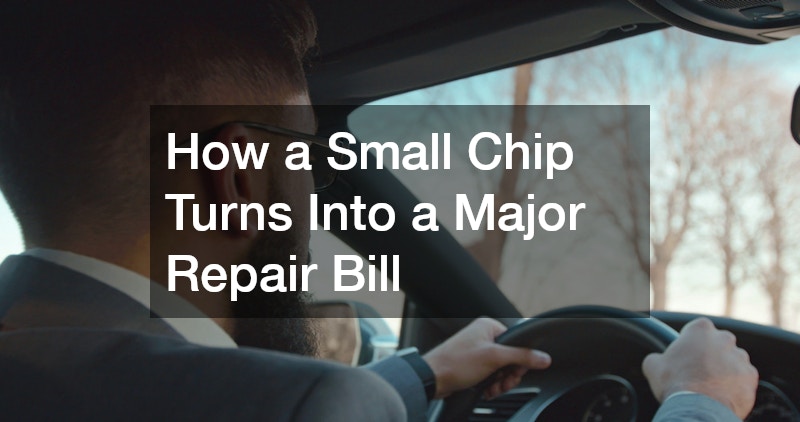
A rock chip the size of a coin seems harmless, but temperature swings, road vibration, and moisture can turn that small flaw into a spreading crack within days. Parking in direct sun after a cold morning, blasting the defroster on a frosty windshield, or even slamming a car door can provide enough stress to send a hairline crack racing across the glass.
Most technicians follow a simple rule of thumb: damage smaller than a quarter and away from the edges can often be repaired for $50 to $150. Once a crack extends beyond a few inches, or creeps toward the edge of the glass where structural integrity matters most, that same windshield is no longer a candidate for a simple fix.
Location matters just as much as size. A chip sitting directly in the driver’s line of sight often gets ruled out for repair on safety grounds alone, even if it’s small, because resin fixes can leave slight distortion.
Ignoring early damage almost always means trading a low-cost repair for a full auto windshield replacement later, and that price jump isn’t small — repairs run in the low hundreds, while auto windshield replacement often costs $300 to $900 or more depending on the vehicle and its sensor calibration needs. What starts as a five-minute fix you kept postponing can turn into a half-day appointment and a bill that rivals a car payment.
Insurance companies track this pattern closely, which is why many policies cover chip repair at no cost to encourage early action. Waiting even a week or two can move you from a fifteen minute fix to a multi-hour job. Treat every new chip as a deadline, not a cosmetic issue you can ignore.
Structural Safety Risks Tied to Cracked Glass
Your windshield is not just a barrier against wind and bugs, it is a load-bearing part of your car’s structure that helps the roof resist crushing in a rollover. When the glass is compromised, that structural contribution weakens significantly, putting everyone inside at greater risk during a collision. Airbag deployment also depends on a solid windshield, since many passenger airbags bounce off the glass to position correctly.
This is why auto glass repair replacement decisions should never be based on price alone. A shop that cuts corners on adhesive curing time or uses substandard glass can leave your vehicle looking fine while failing every safety benchmark that matters. Ask about the certification of the glass and the adhesive system before you commit to any provider.
Hidden Energy Costs From Old or Damaged Auto Glass
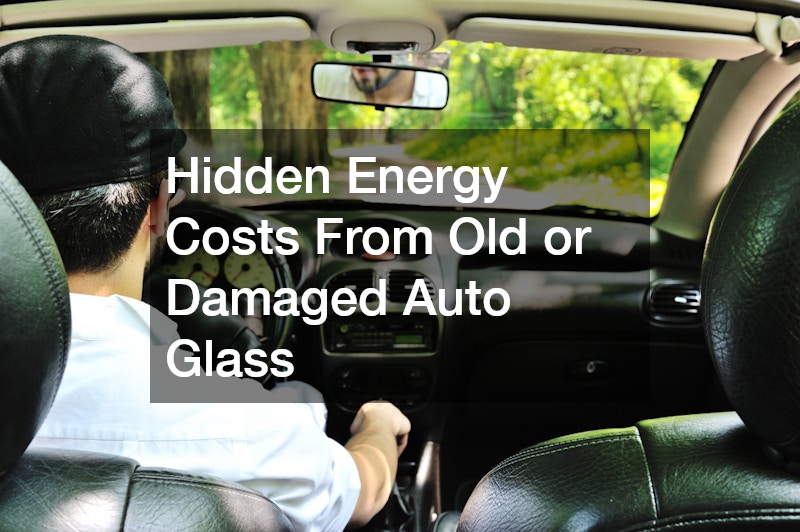
Worn out seals, thinning glass, and old tint all reduce your car’s ability to block heat and UV rays, forcing your air conditioning system to work harder on every drive. Over a hot summer, that added strain translates into measurable extra fuel consumption, especially in stop and go traffic where the AC compressor cycles constantly. Many drivers blame their engine or their AC unit when the real culprit is aging glass that no longer insulates the cabin properly.
Auto glass tinting addresses this problem directly by reflecting a significant portion of solar heat before it ever enters the vehicle. Quality film can lower interior temperatures by a noticeable margin, which means less idling with the AC on and less wear on your cooling system components. It is a relatively small investment that pays back through both comfort and reduced mechanical strain.
Comparing the True Cost of Delaying a Windshield Fix
Drivers often postpone glass repairs because the crack does not seem to affect how the car drives, but the true cost of delay shows up in unexpected places. A small chip left untreated can spread across the windshield within days, especially with temperature swings or rough roads, turning a $60 repair into a $400 windshield replacement almost overnight.
A compromised windshield can also fail state inspection outright, leaving you stuck paying registration late fees or scrambling for a same-day fix under pressure. Certain manufacturer warranties require intact factory glass to validate claims tied to the windshield’s sensors or camera calibration, meaning a crack could quietly void coverage you assumed was still active. Resale value takes a hit too — buyers and dealers routinely use visible windshield damage as a negotiating point, sometimes knocking off two to three times the actual repair cost during a walkthrough.
There’s also the safety math most drivers overlook: a damaged windshield contributes significantly less structural support during a rollover, and a spreading crack can obstruct the driver’s line of sight at exactly the wrong moment. Add in the risk of the crack finally giving out mid-drive, forcing an emergency same-day appointment at premium pricing, and the numbers stop favoring procrastination.
Auto windshield replacement performed proactively is almost always cheaper than the combined cost of a failed inspection, a lower trade-in offer, and emergency repair after the crack finally spreads. Scheduling auto windshield replacement on your own timeline also means better shop availability, standard pricing instead of emergency rates, and time to shop around for OEM glass versus aftermarket alternatives.
- A same-day chip repair often runs $50–$150, while a full windshield replacement can cost $300–$900 depending on your vehicle’s sensors and calibration needs
- Delayed repairs increase the odds of the crack reaching the edge of the glass, which usually forces a full swap since edge cracks compromise structural integrity
- Even minor temperature swings, potholes, or a slammed door can turn a small chip into a spreading crack overnight
- Some states will not pass inspection with cracks in the driver’s line of sight, meaning you could be driving illegally without realizing it
- Resale listings with visible glass damage typically sell for less or sit longer on the market, since buyers often assume other maintenance has been neglected too
- Comprehensive insurance often covers replacement with a low or waived deductible, but waiting too long can push the damage past what a simple claim will cover
- Many insurers also offer free chip repair with no deductible at all, making early action essentially costless
What Determines the Price of a Replacement Windshield
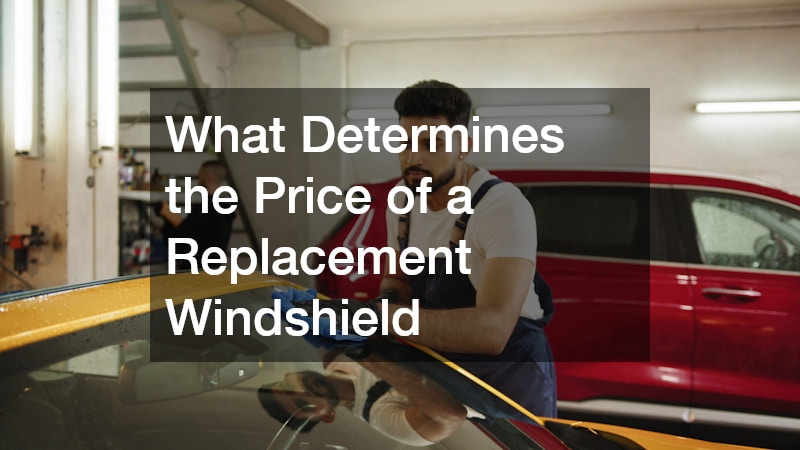
Not all glass jobs are priced the same, and the range can be surprising to someone getting their first quote. A basic windshield swap on an older sedan might run $250 to $400, while a newer vehicle loaded with technology can easily climb past $1,000.
The biggest factor is usually the sensor package built into or around the glass. Vehicles with advanced driver assistance systems (ADAS) like lane departure warnings or automatic braking require a camera recalibration after installation, which can add $150 to $300 on its own. Rain sensors, humidity sensors, and heated glass elements also mean specialized parts and extra labor, since technicians have to transfer or reinstall these components correctly.
The type of glass used plays just as large a role in the final price. OEM (original equipment manufacturer) glass matches the exact specs of what came with the vehicle and typically costs more, while aftermarket glass is cheaper but can vary in optical clarity and fit depending on the manufacturer.
Insurance coverage and labor rates in your area factor in too. Some insurers only cover aftermarket glass unless you pay the difference for OEM, and calibration work often has to be done at a dealership or specialty shop rather than a mobile service, adding to both cost and turnaround time.
Several factors drive the final price tag on a windshield replacement, and they go well beyond the size of the glass itself. Vehicle make and model matter a lot, since luxury and newer vehicles often require specialized glass that costs more to source. Advanced driver-assistance systems (ADAS), like lane-departure warnings and rain sensors, also add cost because the camera or sensor mounted near the windshield needs recalibration after installation. On top of that, OEM (original equipment manufacturer) glass typically costs more than aftermarket alternatives, and labor rates can vary depending on the shop’s location and expertise.
Getting multiple quotes is worth the time, since pricing can vary significantly between shops for what should be a comparable job. Two shops quoting the same vehicle might differ by $100 to $300 simply based on glass sourcing, calibration equipment, or warranty coverage included in the price. A reputable provider will walk you through why your specific vehicle costs what it does — explaining ADAS recalibration fees, glass type, and mobile service charges — rather than giving a vague flat rate for a windshield replacement.
Understanding these variables helps you avoid overpaying while still getting quality auto glass replacement work. Asking upfront whether a quote includes recalibration, moldings, or adhesive materials can prevent surprise add-ons later. A little research before booking can save you real money without cutting corners on safety.
- Sensor and camera recalibration for driver assistance systems — ADAS-equipped vehicles often need static or dynamic recalibration after glass replacement, adding $150 to $400 to the bill
- OEM glass versus aftermarket glass pricing differences — OEM glass matches factory specs but can cost 20% to 60% more than aftermarket options
- Mobile service fees versus in-shop installation — mobile convenience may carry a surcharge, while in-shop jobs sometimes qualify for discounts or faster curing times
- Warranty coverage length and what it actually includes — check whether it covers leaks, stress cracks, or workmanship only, and for how many years or miles
- Additional trim or molding replacement needs — clips, cowls, or rubber seals damaged during removal can add parts and labor costs
- Vehicle make and model — luxury or newer vehicles with curved or acoustic glass typically cost more to replace than older, simpler models
- Insurance deductible versus out-of-pocket cost — some policies waive the deductible for windshield repair, which can significantly change your total expense
Why Window Tint Fades and When to Replace It
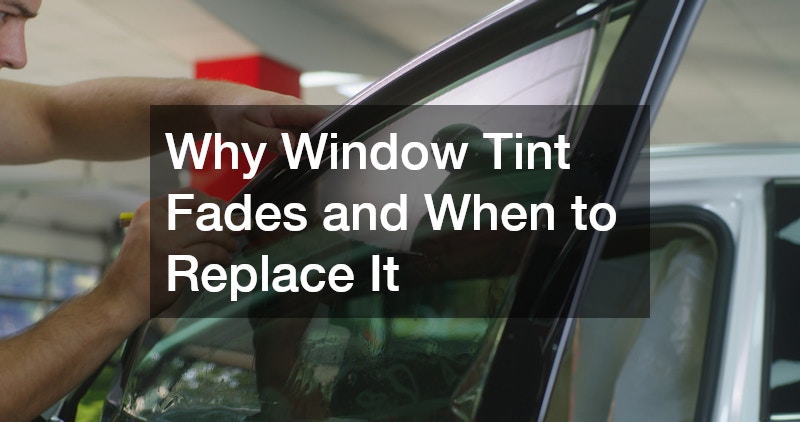
Auto window tint does not last forever, and exposure to direct sunlight gradually breaks down the adhesive and dye layers over several years. You will typically notice purple discoloration, bubbling, or peeling at the edges before the tint fails completely. Once these signs appear, the film is no longer providing reliable UV protection or heat rejection, even if it still looks acceptable from a distance.
Replacing faded tint is not purely cosmetic, since degraded film can also interfere with visibility at night by scattering light unevenly across the window surface. Modern films use ceramic or carbon particles instead of dye, which resist fading far longer and maintain consistent performance. If your current tint is more than five years old and showing any discoloration, it is worth having it assessed before your next long road trip.
How Glass Damage Habits Carry Over to Your Home
The same procrastination that leads to a spreading windshield crack often shows up in how homeowners treat glass around the house, particularly bathroom enclosures. A small chip in a glass shower door might seem purely cosmetic, but stress cracks can spread from that point under normal daily use, especially with temperature changes from hot showers. Tempered glass is designed to shatter safely when it fails, but that is a scenario every homeowner should try to avoid through early attention.
Checking the hardware, seals, and edges of your shower glass periodically catches small issues before they become safety hazards. Mineral buildup and hard water stains can also hide early cracks, so a thorough cleaning doubles as a quick inspection opportunity. Treating this glass with the same urgency you would a vehicle’s windshield helps you avoid a surprise repair bill or, worse, an injury.
Energy Efficiency Lessons From Auto Glass Applied at Home
The heat rejection benefits you get from tinted vehicle windows have a direct parallel in residential settings, where unprotected glass can account for a significant share of a home’s cooling load. Residential window tinting reduces solar heat gain through windows in much the same way auto film does in a car, lowering the strain on your HVAC system during peak summer months. Homeowners who tint south and west facing windows often notice a measurable dip in their cooling costs within the first billing cycle.
- Reduced UV exposure protects flooring, furniture, and artwork from fading
- Lower interior temperatures mean less demand on air conditioning equipment
- Added privacy without sacrificing natural light
- Improved shatter resistance on treated glass surfaces
- Potential reduction in energy bills during summer and winter months
Building a Maintenance Routine for Every Pane of Glass You Own
Whether it is your car’s windshield or any other glass surface around your home, a simple inspection routine catches problems while they are still cheap to fix. Set a reminder every few months to check for chips, cracks, cloudy seals, or peeling film across your vehicle and your home. Small consistent checks cost you nothing but a few minutes and can save hundreds or even thousands of dollars in emergency repairs.
Keep a short list of trusted providers so you are not scrambling to find help during an emergency. Knowing who to call when something breaks unexpectedly, and having their contact information saved ahead of time, saves valuable minutes when every minute matters. Being prepared turns a stressful situation into a straightforward phone call and appointment.
Glass, whether on your car or in your home, is easy to overlook until it fails at the worst possible moment. By treating chips, faded tint, and worn seals as early warning signs rather than cosmetic nuisances, you protect both your safety and your budget. Start with a walk around your vehicle and a quick look at your home’s glass surfaces this week, and address anything that looks even slightly off before it becomes a bigger expense.