 Auto Trader California
Keeping trucks operational is not just about routine maintenance. It’s about creating a system that minimizes downtime, protects your investment, and ensures road safety. Whether you manage a fleet or operate independently, your truck is the backbone of your work. When it fails, everything slows down or stops completely.
Breakdowns rarely happen at convenient times. They occur on tight deadlines, during long hauls, or in unfamiliar areas. That’s why the most successful operators don’t just react to problems — they prepare for them. A combination of preventative maintenance, strategic planning, and reliable support services can make the difference between a minor delay and a major disruption.
Practical, real-world strategies can help you maintain your truck, respond to emergencies efficiently, and build a system that supports long-term reliability. The goal is simple: fewer breakdowns, faster recovery, and better overall performance.
Build a Preventive Maintenance Routine That Reduces Breakdowns

Preventive maintenance is the single most effective way to reduce costly repairs and unexpected downtime. It’s not about doing more work — it’s about doing the right work consistently.
Create a Consistent Inspection Schedule
A structured inspection routine helps catch small issues before they become major failures. The key is consistency, not complexity.
Daily checks should include:
- Tire pressure and visible wear
- Fluid levels (oil, coolant, brake fluid)
- Lights and signals
- Any unusual sounds or vibrations
Weekly and monthly inspections should be more thorough, covering belts, hoses, battery condition, and brake performance.
Skipping inspections might save a few minutes in the short term, but it increases the risk of major issues later. A five-minute check can prevent a five-hour delay.
Use Quality Components to Extend Vehicle Life
Cutting costs on replacement parts often leads to bigger expenses down the line. Investing in reliable auto parts ensures better performance and fewer failures under stress.
High-quality truck parts are especially important for:
- Suspension systems under heavy loads
- Brake components for safety
- Engine parts that operate under constant strain
Using dependable components leads to:
- Longer service intervals
- Fewer roadside issues
- Improved overall efficiency
Track Maintenance History for Better Decision-Making
Keeping detailed records is often overlooked but incredibly valuable. Knowing when parts were last replaced helps you predict future needs rather than react to failures.
Track:
- Oil changes
- Part replacements
- Repairs and service dates
- Recurring issues
This information allows you to plan maintenance proactively rather than deal with unexpected emergencies.
Know When to Call for Immediate Help on the Road
Even the best-maintained trucks can experience sudden issues. Knowing when to stop and call for help is critical.
Recognize Situations That Require Professional Support
Some problems simply cannot be handled on the roadside. Continuing to drive can worsen the situation or pose safety risks.
Call for help when you experience:
- Engine failure or overheating
- Tire blowouts at high speeds
- Electrical system failure
- Loss of braking power
Recognizing these situations early can prevent further damage and protect both the driver and other road users.
Have a Plan Before an Emergency Happens
Preparation removes guesswork during stressful moments. Before you ever need help, make sure you have access to reliable roadside assistance services.
Keep:
- Emergency contact numbers saved in your phone
- Backup written contact information in the truck
- A basic emergency kit
Your kit should include:
- Reflective warning triangles
- Flashlight with extra batteries
- Basic tools
- First aid supplies
Act Quickly to Minimize Downtime
Time is critical during a breakdown. The faster you respond, the less it impacts your schedule.
Calling for emergency towing ensures:
- Safe removal from the roadway
- Transport to a proper repair facility
- Reduced risk of additional damage
Delaying action often leads to bigger problems and longer downtime.
Work with Skilled Professionals to Keep Your Truck Running
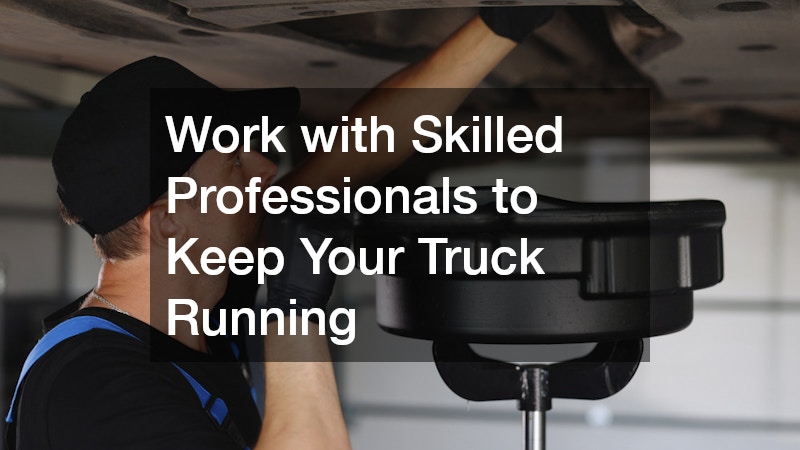
No matter how experienced you are, professional support is essential for maintaining a truck properly. Regular maintenance checks, timely repairs, and expert advice can prevent minor issues from turning into major problems. From oil changes and brake inspections to tire rotations and engine diagnostics, experienced mechanics can identify wear and tear that you might overlook. Additionally, staying up to date with manufacturer recommendations and recalls ensures your truck operates efficiently and safely. Investing in professional maintenance not only prolongs your vehicle’s life but also helps you avoid unexpected breakdowns, ultimately saving you time and money in the long run. Remember, a well-maintained truck is a reliable truck, and professionalism in care leads to better performance on the road.
Understand the Importance of Specialized Expertise
Diesel engines are complex systems that require specialized knowledge. A trained diesel mechanic understands how these systems operate and can accurately diagnose issues.
Unlike general repairs, diesel systems involve:
- High-pressure fuel systems
- Advanced emissions components
- Heavy-duty engine configurations
Working with someone who understands these systems reduces guesswork and improves repair quality.
Choose the Right Professional for Repairs
Not all service providers offer the same level of expertise. Choosing the right one can save time, money, and frustration.
Look for:
- Certifications and experience
- Strong reputation and reviews
- Clear communication about issues and solutions
Signs you may need diesel repairs include:
- Decreased fuel efficiency
- Hard starts or delayed ignition
- Unusual engine noise
- Excessive exhaust smoke
Schedule Regular Service to Avoid Major Issues
Waiting until something breaks is always more expensive than preventative service. Routine maintenance helps catch issues before they become serious.
Regular service provides:
- Better engine performance
- Improved fuel efficiency
- Reduced risk of breakdowns
Over time, this approach saves both money and downtime.
Prepare for Large-Scale Recovery and Transport Needs
Some situations go beyond simple repairs or towing. Planning for these scenarios is essential. For instance, if you’re on a long road trip, consider having a backup plan in case of a major breakdown. This could involve knowing the locations of nearby service stations or having a reliable roadside assistance service on speed dial. Additionally, ensure your vehicle is well-maintained before the journey; regular checks of tires, fluids, and the battery can help prevent many problems.
It’s also wise to pack an emergency kit that includes items like water, non-perishable snacks, a first-aid kit, a flashlight, and blankets for unexpected delays. Familiarizing yourself with basic troubleshooting techniques can save time and stress when small issues arise.
Lastly, always keep an open line of communication with friends or family about your travel route and estimated arrival times, so someone knows where you are in case of an emergency. Being prepared can make all the difference in ensuring a safe and enjoyable journey.
Know What to Do After Major Breakdowns or Accidents
Serious incidents require immediate action and careful decision-making.
Steps to follow:
- Ensure personal safety first
- Secure the area if possible
- Contact appropriate recovery services
Remaining calm and following a plan helps prevent additional complications.
Use Specialized Services for Complex Situations
When dealing with heavy vehicles, standard towing may not be enough. Semi truck recovery services are designed to handle large-scale situations safely.
These services include:
- Uprighting overturned vehicles
- Recovering trucks from difficult terrain
- Handling heavy loads without damage
Plan for Equipment and Load Transportation
If your truck is carrying cargo, you may need additional support. Heavy hauling companies can transport equipment or loads when your truck is out of service.
This ensures:
- Minimal disruption to delivery schedules
- Protection of valuable cargo
- Continuity of operations
Build Relationships with Reliable Local Support Service
Having trusted partners in place makes emergencies much easier to manage. When challenges arise, clear communication and established lines of responsibility among partners can streamline decision-making. Each partner brings unique strengths and resources to the table, allowing for a more coordinated response.
For instance, if a crisis occurs, those partners can quickly mobilize, share vital information, and allocate resources effectively. This collaborative approach not only helps to mitigate risks but also fosters a sense of community and support. Additionally, having pre-existing relationships allows for quicker trust-building during high-pressure situations, which is crucial for maintaining morale among teams and those affected.
Ultimately, a well-prepared network of partners can significantly reduce the impact of emergencies, ensuring a swifter return to normalcy. It’s essential to invest time in these relationships long before any crisis arises, so that when the time comes, everyone is ready to act decisively and cohesively.
Find Trusted Providers Before You Need Them
Researching providers in advance gives you control over who you work with, rather than making rushed decisions.
Look for:
- Fast response times
- Positive customer reviews
- Experience with heavy-duty vehicles
Understand the Value of Quick Response
When a breakdown happens, time matters. A dependable local tow truck service can significantly reduce how long your truck is off the road.
Faster response leads to:
- Reduced delays
- Lower risk of additional damage
- Improved overall efficiency
Keep Contact Information Easily Accessible
Make sure all important contact information is easily accessible.
Store it:
- In your phone
- In the truck’s glove compartment
- In dispatch systems (for fleets)
Preparation ensures you’re never scrambling for help when time matters most.
Handle End-of-Life Vehicles and Materials Responsibly
Eventually, every truck reaches a point where repairs are no longer practical. The signs can be subtle at first—minor leaks, occasional engine stutters, or a strange noise that seems to come and go. However, over time, these small issues can escalate into major problems. Once the cost of repairs exceeds the truck’s value or its ability to function reliably, it’s time to consider alternatives.
At this stage, many owners face a difficult decision: pour more money into a vehicle that may not last much longer, or invest in a new truck that promises better efficiency and reliability. Factors like maintenance history, age, and mileage all come into play. It’s also worth considering the current demand for used trucks, which can influence whether selling the old vehicle is a viable option.
In the end, the decision should not just be about numbers, but also about safety and the future needs of the business or personal use. A reliable vehicle is essential, and sometimes parting ways with an old truck is the best choice for peace of mind and productivity.
Know When a Truck Is No Longer Worth Repairing
Continuing to repair an aging truck can become more expensive than replacing it.
Signs it may be time to retire a vehicle:
- Frequent breakdowns
- Increasing repair costs
- Decreasing reliability
Dispose of Materials in an Environmentally Responsible Way
Scrap metal recycling provides a responsible way to dispose of old trucks and parts. It allows materials to be reused while reducing environmental impact.
Benefits include:
- Recovering value from old components
- Reducing landfill waste
- Supporting sustainable practices
Plan for Replacement Without Disrupting Operations
Replacing a truck should be planned carefully to avoid downtime.
Consider:
- Timing the replacement during slower periods
- Preparing backup equipment, if possible
- Coordinating financing and logistics
Create a Long-Term Strategy for Reliability and Efficiency
Long-term success requires more than short-term fixes. It requires a system that is thoughtfully designed and consistently implemented. This means establishing processes and frameworks that anticipate challenges, foster innovation, and promote sustainable growth. By focusing on building a solid foundation, organizations can adapt to changing circumstances and leverage opportunities for improvement. In essence, cultivating a resilient strategy ensures that decisions made today will contribute to lasting outcomes tomorrow.
Combine Maintenance and Emergency Planning
Maintenance reduces breakdowns, while emergency planning ensures you’re prepared when they happen. Together, they create a complete strategy.
Invest in Training and Preparedness
Drivers should know how to:
- Perform basic inspections
- Recognize early warning signs
- Respond safely during emergencies
This knowledge improves safety and reduces response time.
Continuously Improve Your Approach
Review your processes regularly. Look for patterns in breakdowns, delays, and repairs.
Ask:
- What issues happen most often?
- How can they be prevented?
- Are current systems effective?
Continuous improvement leads to better performance over time.
A Unified Approach to Truck Maintenance and Emergency Readiness
Truck maintenance and emergency preparedness are not separate responsibilities. They are part of the same system. When done correctly, they reduce downtime, improve safety, and protect your investment.
By focusing on preventative maintenance, building relationships with reliable professionals, and preparing for unexpected situations, you can keep your truck running efficiently and handle challenges with confidence.
The goal is not to eliminate every problem — that’s impossible. The goal is to be ready for them. With the right strategy in place, you can stay on the road longer, recover faster when issues arise, and maintain consistent performance over time.