Matching and Applying Automotive Paint
Automotive paint plays an important role in protecting and enhancing a vehicle’s appearance. Over time, paint can become chipped, scratched, or faded due to weather exposure, road debris, and normal wear. Auto body shops provide professional paint services that restore the vehicle’s finish and help protect underlying metal surfaces from corrosion.
Matching and applying automotive paint requires careful preparation and precise color selection. Technicians analyze the existing paint code and use computerized color-matching systems to replicate the vehicle’s original shade. Surfaces are cleaned, sanded, and primed before paint is applied to create a smooth, durable finish.
Some shops also offer complementary services such as window tinting. This addition can reduce glare, protect interior materials from sun exposure, and enhance the vehicle’s overall appearance.
Professional paint application helps vehicles maintain their visual appeal while protecting surfaces from environmental damage. With proper techniques and materials, technicians can achieve results that closely match the original factory finish.
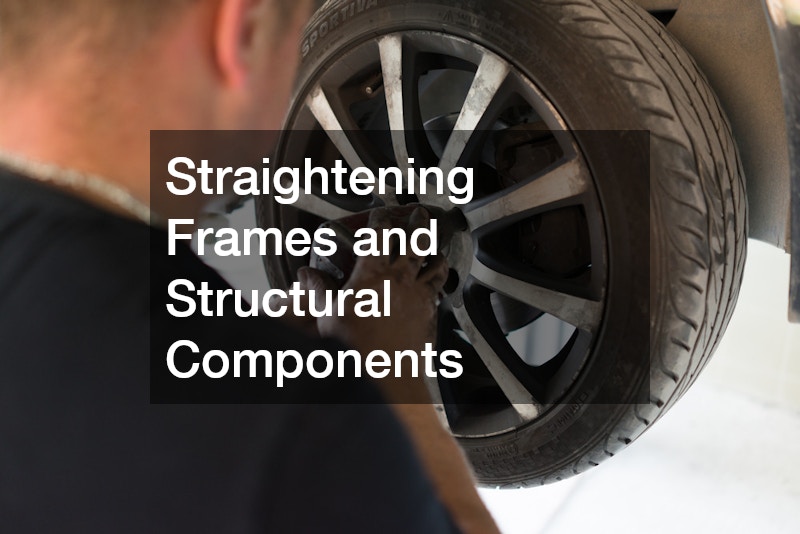
Straightening Frames and Structural Components
A vehicle’s frame and structural components are essential to its safety and stability. When a collision occurs, even a minor one, these elements can shift out of alignment. Auto body shops provide services that correct structural issues and restore the vehicle’s frame to its proper position. Misalignment can affect steering, tire wear, and overall driving performance.
Frame straightening requires precision equipment that measures the vehicle’s structure and identifies areas affected by impact. Technicians use hydraulic tools and computerized measuring systems to reposition the frame according to manufacturer specifications. Restoring proper alignment helps maintain the structural strength designed to protect occupants during accidents.
Structural repairs often work alongside other maintenance services that support vehicle performance. After the frame is corrected, technicians may inspect components related to tire alignment to confirm that the wheels are positioned correctly. Proper alignment improves handling and reduces uneven tire wear.
Correcting structural damage is one of the most important services offered by auto body shops. When completed properly, frame straightening restores stability and helps drivers maintain safe control of their vehicle.
Replacing Damaged Panels and Parts
Vehicle collisions and everyday wear can sometimes cause damage that cannot be repaired through reshaping or refinishing alone. In these situations, replacing damaged panels or components is necessary to restore the vehicle’s structure and appearance. Auto body shops often perform these replacements for severely dented doors, broken bumpers, or damaged fenders.
The process begins with an inspection to determine which components must be removed and replaced. Technicians detach damaged parts and install new panels designed to match the vehicle’s original specifications. Proper installation helps maintain the alignment and structural integrity of the vehicle’s exterior.
These services are often coordinated with professionals trained as an auto mechanic. Their expertise helps confirm that systems connected to the replaced panels, such as sensors or lighting components, continue functioning properly.
Replacing damaged panels restores both the strength and appearance of the vehicle. By installing properly fitted parts and refinishing them carefully, technicians return the vehicle to a condition that supports safe operation and visual appeal.
Repairing Bumpers and Exterior Trim
Vehicle bumpers and exterior trim pieces are designed to absorb minor impacts and protect critical components of a vehicle. These areas are often the first to experience damage during low-speed collisions, parking incidents, or contact with road debris. Auto body shops provide services to repair or restore bumpers and trim so the vehicle maintains both its appearance and protective capabilities.
The repair process usually begins with an inspection of the bumper and surrounding trim. Technicians determine whether the damage can be repaired or if certain parts should be replaced. Minor dents, scratches, or scuffs can often be smoothed and refinished using specialized tools. When damage is more severe, replacement parts may be installed to restore the bumper’s structure.
Technicians may also inspect related vehicle systems to confirm they were not affected by the impact. Some bumper areas contain sensors or mounting components that contribute to vehicle performance. In some cases, inspections may overlap with services such as brake repairs if the impact involved the lower portion of the vehicle.

Restoring Windshields and Auto Glass
Windshields and other glass components play an important role in both visibility and structural support for modern vehicles. Cracks, chips, and other damage can occur due to road debris, temperature changes, or minor collisions. Auto body shops provide glass restoration services to address these issues and maintain safe driving conditions. Repairing glass quickly helps prevent small cracks from spreading and affecting visibility.
Glass restoration typically begins with an inspection of the damaged area. Technicians evaluate the size, depth, and location of the crack or chip to determine whether repair or replacement is needed. Smaller chips can often be filled with specialized resin that restores clarity and strengthens the glass.
When damage is too extensive for repair, technicians may perform full auto glass replacements. The damaged windshield or window is removed and replaced with a properly fitted component that meets manufacturer standards. Adhesives create a strong seal that supports structural stability and weather protection.
Maintaining clear glass is essential for safe driving. Windshields contribute to vehicle strength and support safety systems such as airbags, making professional repair and replacement important for driver safety.
Refinishing Surfaces for a Smooth Appearance
Over time, vehicles can develop surface imperfections caused by environmental exposure, road debris, and everyday wear. Paint may fade, clear coats can deteriorate, and scratches may appear across exterior panels. Auto body shops provide refinishing services that restore these surfaces, improving both appearance and protection.
The refinishing process begins with preparing the vehicle’s surface for a new finish. Technicians clean and sand affected areas to remove damaged paint and smooth the material. Primers are then applied to create a stable base, followed by carefully matched paint layers that replicate the vehicle’s original color.
Modern vehicles may require additional precautions during refinishing because of specialized materials or electrical systems. In some situations, technicians experienced in hybrid vehicle repair may be consulted to confirm that sensitive components are protected during the process.
Surface refinishing helps restore the vehicle’s appearance while protecting the body from corrosion and environmental damage. A properly refinished surface improves visual appeal and helps preserve the vehicle’s value over time.
Inspecting Vehicles for Hidden Damage
After a collision or noticeable impact, visible dents and scratches may only represent part of the problem. Vehicles are built with interconnected components that can shift or weaken when subjected to force. Because of this, auto body shops often perform detailed inspections to identify hidden damage that may not be immediately obvious. These inspections help technicians detect underlying structural issues, mechanical concerns, or alignment problems that could affect vehicle safety.
The inspection process usually begins with a visual evaluation followed by diagnostic measurements and testing. Technicians examine the vehicle’s frame, suspension components, and exterior panels to identify areas that may have shifted during impact. Specialized tools may also be used to measure alignment and structural positioning to confirm that the vehicle still meets manufacturer specifications. This step is especially important because even small misalignments can affect how the vehicle performs on the road.
In some cases, inspections may also help determine whether repairs are practical or if replacement options should be considered. Professionals who work alongside used auto dealers may evaluate the vehicle’s condition and repair potential to help owners make informed decisions. These assessments provide valuable information about the vehicle’s current state and long-term reliability.
Thorough inspections help protect drivers by identifying hidden issues before they become more serious. By carefully evaluating every affected area, technicians can develop accurate repair plans that restore the vehicle’s safety and performance.

Maintaining Vehicle Appearance and Value
Keeping a vehicle in good condition involves more than repairing damage after accidents. Regular maintenance and small repairs help preserve appearance and long-term value. Auto body shops provide services that keep vehicles looking well maintained while protecting components from wear and environmental exposure.
Routine maintenance services often include refinishing scratches, repairing trim pieces, and addressing cosmetic damage that develops over time. Even minor improvements can make a noticeable difference in how a vehicle looks. Handling these issues early helps prevent further deterioration and maintain a polished appearance.
Auto body shops may also assist with related vehicle needs that support ownership convenience. For example, services connected to replacement car keys may be coordinated when owners require updated or replacement key systems. Addressing these needs alongside body repairs allows drivers to resolve multiple concerns in one visit.
Maintaining a vehicle’s appearance also helps protect its long-term value. A car that looks well cared for often commands higher resale prices and creates a better impression when being sold or traded.
Auto body shops provide far more than cosmetic repairs. These facilities offer services that support vehicle safety, performance, and reliability. From repairing structural damage after collisions to restoring paint finishes and replacing panels, technicians use specialized tools to return vehicles to proper condition.
Many services focus on restoring components that contribute to safe driving. Frame straightening, glass repair, bumper restoration, and inspections help maintain the structural integrity of modern vehicles.
Auto body shops also offer cosmetic and preventative services that keep vehicles looking their best. Paint refinishing, dent repair, and trim restoration help preserve visual appeal while protecting surfaces from environmental damage.

 Auto Trader California