 Auto Trader California
A Porsche sticker price tells you almost nothing about what the car will actually cost you over the years you own it. Between specialized maintenance, insurance premiums, tires, and depreciation quirks unique to certain models, the true cost of ownership can catch even experienced car buyers off guard. If you are weighing a Porsche purchase or already own one and want to budget wisely, understanding these hidden expenses upfront will save you from unpleasant surprises later.
This article breaks down the real numbers behind owning one of these performance icons.
Routine Maintenance Costs More Than You Expect
Porsche vehicles are engineered with tighter tolerances and higher-performance components than the average family sedan, which means routine maintenance carries a higher price tag from the start. Oil changes often require synthetic blends formulated for high-revving engines, and even basic inspections can take longer because technicians need specialized training to work on these platforms. Many owners underestimate how quickly these smaller costs add up over a single year of ownership.
Because parts and labor are priced at a premium, it helps to know what typical services actually cost before you are surprised by an invoice. Budgeting ahead of time turns these expenses from shocks into predictable line items.
- Oil and filter changes typically run higher than standard vehicles due to specialty synthetic oil requirements
- Brake pad and rotor replacement costs more because of performance-grade materials
- Spark plug and ignition coil service intervals vary by model and engine configuration
- Annual inspections often uncover wear items that need prompt attention to avoid bigger issues
Specialized Labor Rates Add Up Quickly
Not every mechanic is equipped to handle a Porsche, and that scarcity of expertise directly affects what you pay for labor. Facilities that specialize in Porsche repair typically charge more per hour than general shops because their technicians carry manufacturer-specific certifications and use diagnostic tools built for these engines. This specialization is valuable, but it also means every visit tends to cost more than servicing a mainstream brand.
The complexity of these cars also means jobs simply take longer. A transmission service or suspension adjustment that might take an hour on a common vehicle can take significantly more time on a Porsche due to tighter engine bays and more intricate assemblies. Factoring this labor reality into your ownership budget prevents sticker shock when the bill arrives.
Finding a Trustworthy Mechanic Matters
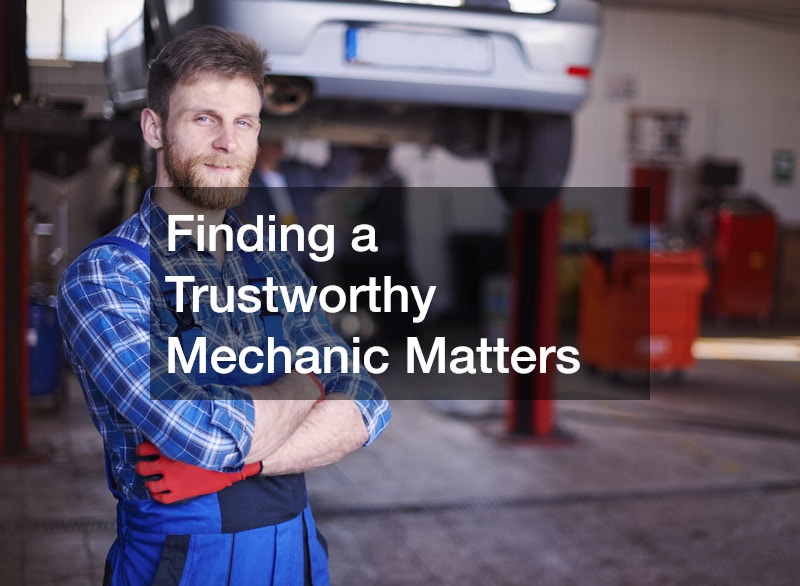
Not all auto repair shops are equipped to properly diagnose and fix issues on a high-performance European vehicle, so choosing where you take your car matters as much as budgeting for the repair itself. Independent shops that specialize in German makes can sometimes offer more competitive pricing than dealership service centers while still delivering quality work. Doing your homework before an emergency repair arises puts you in a much stronger negotiating position.
Ask around in local owner forums or car clubs, since other Porsche owners often have firsthand experience with shops in your area. A little research now can prevent costly mistakes later, especially when a misdiagnosis leads to replacing parts that were never actually the problem.
- Look for technicians with factory training or certifications specific to Porsche
- Read reviews focused specifically on European or performance vehicle service
- Ask whether the shop uses OEM parts or aftermarket alternatives
- Request a written estimate before authorizing any work
Insurance Premiums Reflect Performance and Repair Risk
Insurance companies price policies based on the likelihood and cost of a claim, and Porsches score high on both fronts. Higher horsepower models attract higher premiums because insurers know these cars are more likely to be involved in a costly accident, and repair estimates for body damage or electronics can run steep. Many first-time owners are surprised when their insurance quote is noticeably higher than what they paid for a previous vehicle in a similar price bracket.
Comprehensive coverage becomes especially important given how expensive individual components can be to replace. A cracked bumper with integrated sensors or a damaged headlight assembly can cost far more than equivalent parts on a mainstream vehicle, which pushes premiums upward across the board.
Tires and Wheels Wear Faster Than Expected
Performance tires designed to grip the road at high speeds also tend to wear out faster than standard all-season tires, and Porsche models are typically fitted with these performance-oriented options from the factory. Depending on driving style and conditions, some owners find themselves replacing tires every fifteen to twenty-five thousand miles, well short of what a typical commuter car might deliver. Because these tires are specialized, they also cost considerably more per set than standard replacements.
Wheel alignment and balancing become more important too, since even minor misalignment accelerates uneven wear on expensive tires. Staying on top of these smaller maintenance tasks protects your investment and helps you avoid replacing a full set sooner than necessary.
- Performance tires often need replacement more frequently than standard tires
- Alignment checks after any curb strike or pothole impact help extend tire life
- Rotating tires on a consistent schedule promotes even wear
- Seasonal tire swaps may be worthwhile in climates with harsh winters
Depreciation Patterns Differ by Model
Unlike many luxury vehicles that lose value quickly, certain Porsche models hold their value remarkably well, while others depreciate faster than buyers anticipate. Limited production models and manual transmission variants often retain higher resale value, whereas some higher-volume trims can lose a significant percentage of their value within the first few years. Understanding these patterns before you buy helps you choose a model that aligns with your long-term financial goals.
When the time comes for a major repair, this is also where a solid relationship with a shop specializing in auto repair pays off, since a well-documented service history can meaningfully boost resale value. Buyers researching a used Porsche frequently ask for maintenance records, so keeping thorough documentation protects your investment down the road.
Conclusion
Owning a Porsche can be a rewarding experience, but only if you go in with realistic expectations about the full financial picture. Factor in specialized maintenance, insurance, tires, and depreciation alongside the purchase price, and build a relationship with a qualified shop before you actually need one. Taking these steps now means fewer surprises later and a lot more enjoyment behind the wheel.